A Proactive Health Guide for Australian Travellers in Japan
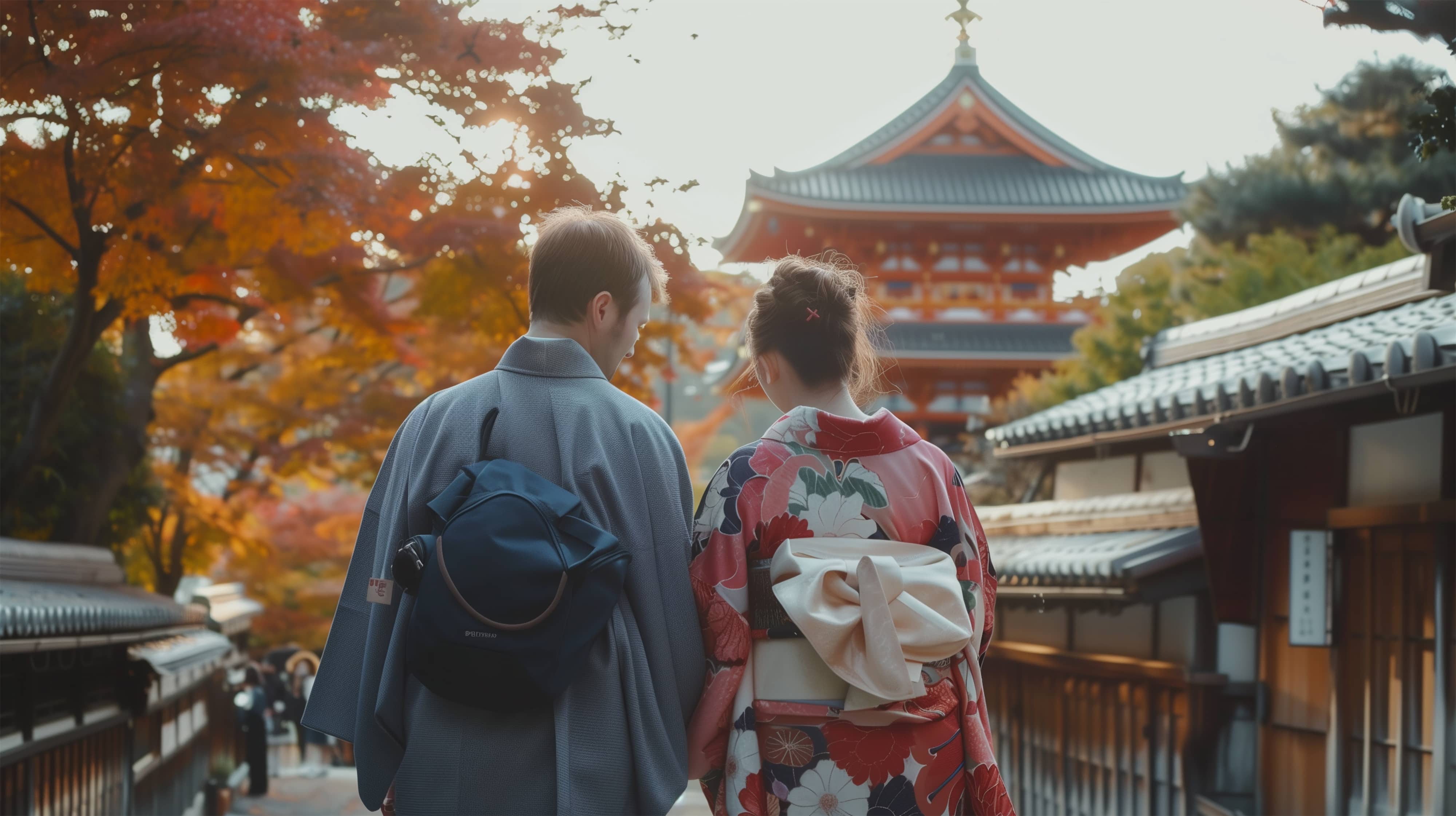
Japan is a favourite destination for Australians, offering incredible food, powder snow, and rich culture just a direct flight away. While we are lucky to have a minimal time difference, unique environmental factors can still challenge a traveller's health. The shift in climate (often escaping the Aussie heat for a Japanese winter), the long flight, and new cuisine can sometimes lead to unexpected illnesses, turning a holiday into a stressful experience for a sick tourist in Japan.
To help you prepare, we've analysed consultation records from HOTEL de DOCTOR 24, a 24-hour medical service for visitors. We've identified the health issues most frequently reported by Australian travellers. This guide explores those common symptoms and provides actionable advice based on guidelines from authorities like the Australian Government's Smartraveller and Healthdirect.
1. Respiratory Issues: The Top Concern

Respiratory symptoms are the number one reason Australian travellers seek medical advice in Japan.
According to the consultation records of HOTEL de DOCTOR 24, Cough & Phlegm (47.5%) and Sore Throat (32.5%) are prominent issues. Nearly half of all consultations involve a cough.
Why Are These Symptoms So Common?
- Viral Exposure: Crowded trains and busy tourist spots increase your exposure to common cold and flu viruses.
- Travel Fatigue: While jet lag is minimal, the 9-10 hour flight and active itinerary can still wear down your immune system.
What You Can Do: Prevention & Care (Healthdirect/Smartraveller Advice)
- Hand Hygiene is Key: Wash your hands thoroughly and often with soap and water. Carry an alcohol-based hand sanitiser for when you're on the go (e.g., on the Shinkansen).
- Stay Hydrated: Drink plenty of water. The dry air on the plane and in hotels dehydrates you faster than you think.
- Humidify Your Room: Most Japanese hotels can provide a humidifier (kashitsuki). Use it to combat the dry air while you sleep.
2. Fever & Headaches: Signs of Systemic Stress

It is not uncommon to feel generally unwell or develop a fever after arriving.
Fever (37.5%) and Headache (35.0%) are major complaints among Australian visitors. A sudden fever can be particularly worrying when you are far from home.
Why Are These Symptoms So Common?
- Immune Response: Fever is your body's way of fighting off infections like the flu or COVID-19.
- Dehydration & Fatigue: Headaches are often triggered by dehydration from the long flight or simply not drinking enough water while sightseeing.
- Temperature Changes: Moving frequently between heated trains/shops and the cold outdoors can trigger headaches in some people.
What You Can Do: Prevention & Care
- Rest Up: Don't overdo it on your first few days. Listen to your body and get enough sleep.
- Manage Pain & Fever: You can use over-the-counter (OTC) medications like acetaminophen (Tylenol) or ibuprofen (Advil, Motrin) to reduce fever and aches. Note: See the section below about bringing these meds.
- Monitor Symptoms: If your fever is high or persistent, or if you have a severe headache that doesn't improve with water and painkillers, seek medical advice.
3. Digestive Issues: Stomachache
Japanese food is a highlight of the trip, but a change in diet can sometimes upset your stomach.
Stomachache (20.0%) is reported by one in five patients. This is often milder than in other Asian destinations but can still disrupt your plans.
Why Are These Symptoms So Common?
- Dietary Change: Richer foods, different oils, or simply eating more than usual can cause indigestion.
- Raw Foods: Sashimi and sushi are generally safe in Japan, but if you have a sensitive stomach, raw seafood might cause discomfort.
- Traveller's Diarrhoea: While low risk, it can still occur.
What You Can Do: Prevention & Care
- Practice Food Safety: Stick to reputable restaurants for raw food. Wash your hands before eating.
- Stay Hydrated: If you experience diarrhoea, rehydration is crucial. Sip water or an electrolyte drink (like Pocari Sweat, available at any convenience store).
- Medication: Anti-diarrhoeal medication (like loperamide/Gastro-Stop) can help for travel days, but avoid it if you have "infectious diarrhea" or "liver dysfunction".
4. Medication Matters: Bringing Your Own from Down Under
Many Australians assume they can bring their regular medications to Japan, but Japan has very strict drug laws compared to Australia. What is legal at home could get you arrested in Japan.
Bringing Medication: Know the Rules (Smartraveller Advice)
Before you pack your toiletries bag, check the regulations carefully:
- Strictly Prohibited/Controlled: Stimulants (such as Adderall, which are commonly used to treat ADHD) are strictly controlled or banned. You cannot simply bring these in, even with a prescription.
- General Allowance: For standard prescription meds (that are not controlled substances), you are generally allowed up to a one-month supply. For OTC meds, it's usually a two-month supply.
- Import Confirmation (Yunyu Kakunin-sho): If you need to bring more than the limit, or specific controlled drugs (like injectables or psychotropics), you must apply for a "Yunyu Kakunin-sho" from the Japanese Ministry of Health before you travel.
What If You Need Meds in Japan?
Important: Australian prescriptions are not valid in Japan. You cannot take a script from your GP to a Japanese pharmacy.
If you forget your meds or run out, you must see a doctor in Japan to get a new prescription. This can be difficult due to the language barrier.
The Solution: HOTEL de DOCTOR 24 bridges this gap. You can consult with an English-speaking doctor online who can issue a valid Japanese prescription for the medication you need.
When to Seek Professional Medical Help
You should seek professional help if you experience:
- A fever over 38.5°C that doesn't improve with acetaminophen / ibuprofen.
- Severe pain or symptoms that persist for more than a couple of days.
- Signs of dehydration (dizziness, dark urine).
Navigating a foreign healthcare system can be daunting. HOTEL de DOCTOR 24 offers a stress-free alternative.
The Convenient Choice: HOTEL de DOCTOR 24
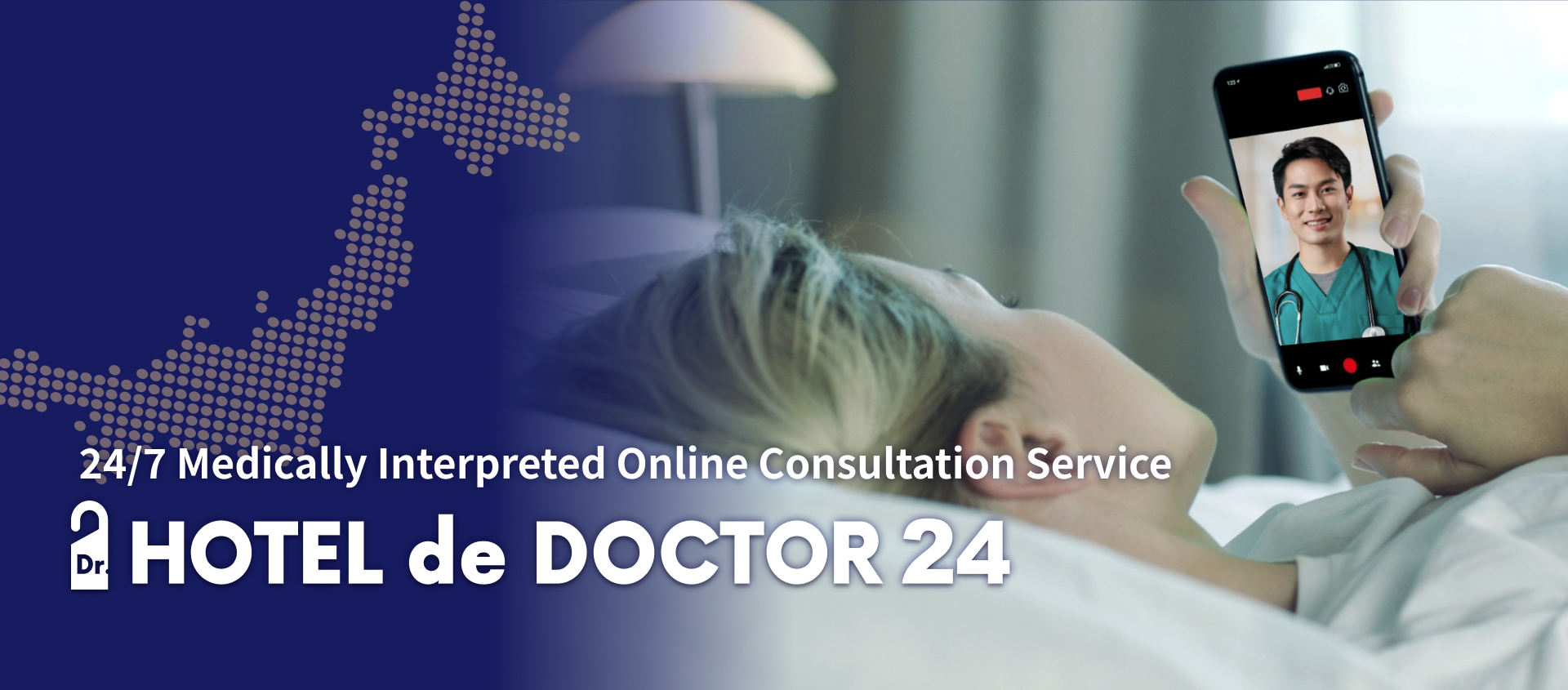
Access medical care from the comfort of your hotel room:
- English-Speaking Doctors: No language barrier.
- 24/7 Access: Reliable care whenever you need it.
- Online Consultations: Speak to a doctor online without dragging yourself to a clinic.
- Medication Support: Get prescriptions arranged and delivered or directed to a nearby pharmacy.
Don't let illness ruin your Japanese holiday. HOTEL de DOCTOR 24 connects you with an English-speaking doctor for an online consultation anytime.
Visit HOTEL de DOCTOR 24 at https://www.hoteldedoctor24.com to learn more.
Sources
- Smartraveller (Australian Government). "Japan Travel Advice." https://www.smartraveller.gov.au/destinations/asia/japan
- Smartraveller (Australian Government). "Taking care of your health." https://www.smartraveller.gov.au/before-you-go/health
- Healthdirect Australia. "Fever." https://www.healthdirect.gov.au/fever
- Healthdirect Australia. "Diarrhoea." https://www.healthdirect.gov.au/travellers-diarrhoea
- Embassy of Japan in Australia. "Importing Medicines into Japan." https://www.au.emb-japan.go.jp/itpr_en/visa_medicine_en.html
Disclaimer: This article provides general information based on data and public health guidelines. It is not a substitute for professional medical advice. If you have severe symptoms or a medical emergency, please seek immediate in-person medical attention or call 119 for an ambulance in Japan. Always consult with a healthcare professional for any health concerns.
The data regarding common symptoms of Australian travellers is based on the consultation records of the "HOTEL de DOCTOR 24" service. It does not necessarily represent general facts, and M3 Career, Inc. does not guarantee its accuracy.