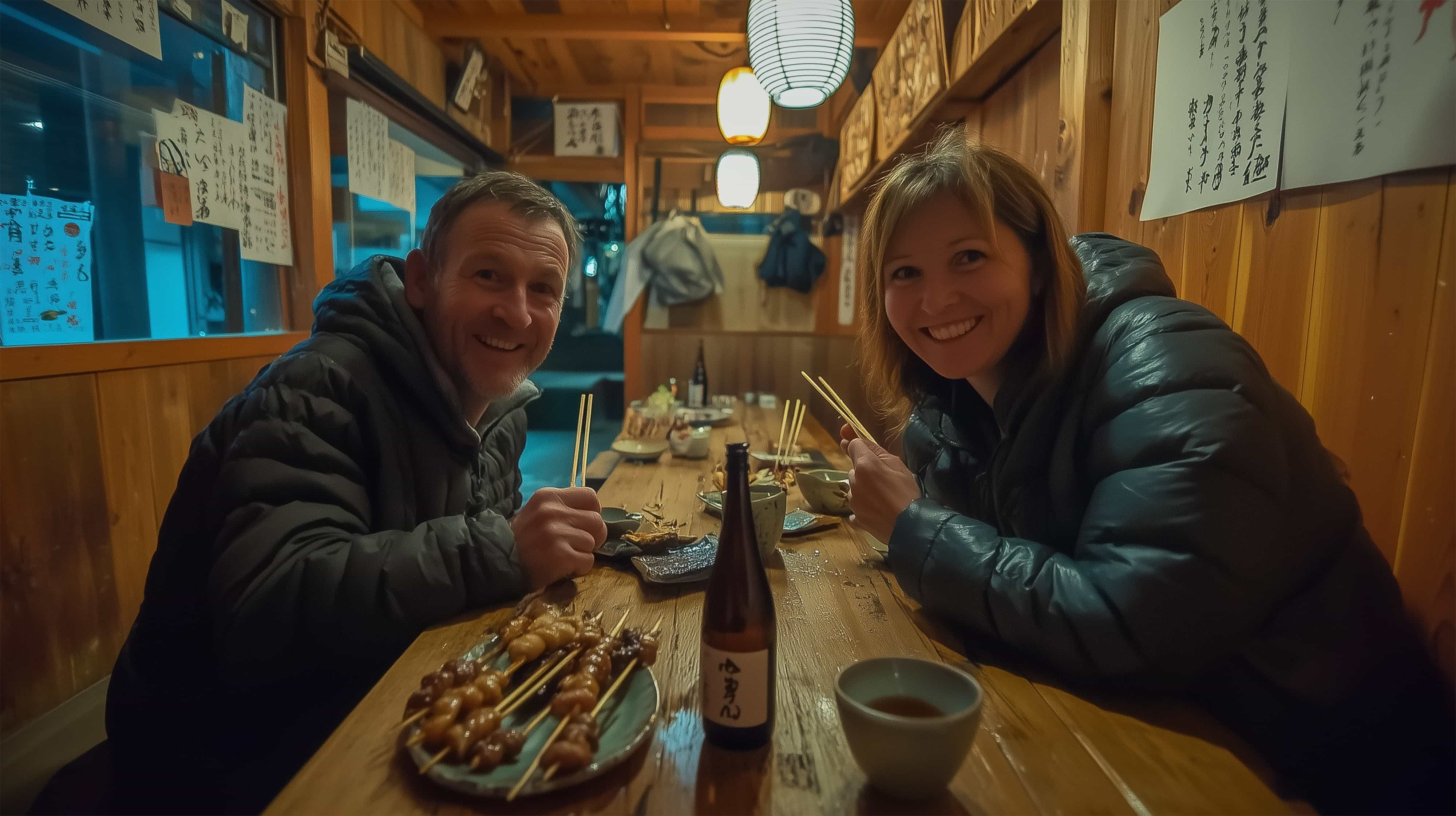
Hours Lost in Waiting Rooms: How to Avoid Wasting Your Japan Vacation on Medical Queues
Conclusion: Unexpected travel fatigue and minor health concerns do not need to consume your valuable sightseeing time in crowded hospital waiting rooms.
Reason & Evidence: Navigating traditional Japanese walk-in clinics often involves extensive transit, intake paperwork, and long waiting queues. Instead of sacrificing half a day of travel, international visitors can complete a swift online consultation from their accommodation and pick up prescription treatments at a convenient nearby pharmacy.
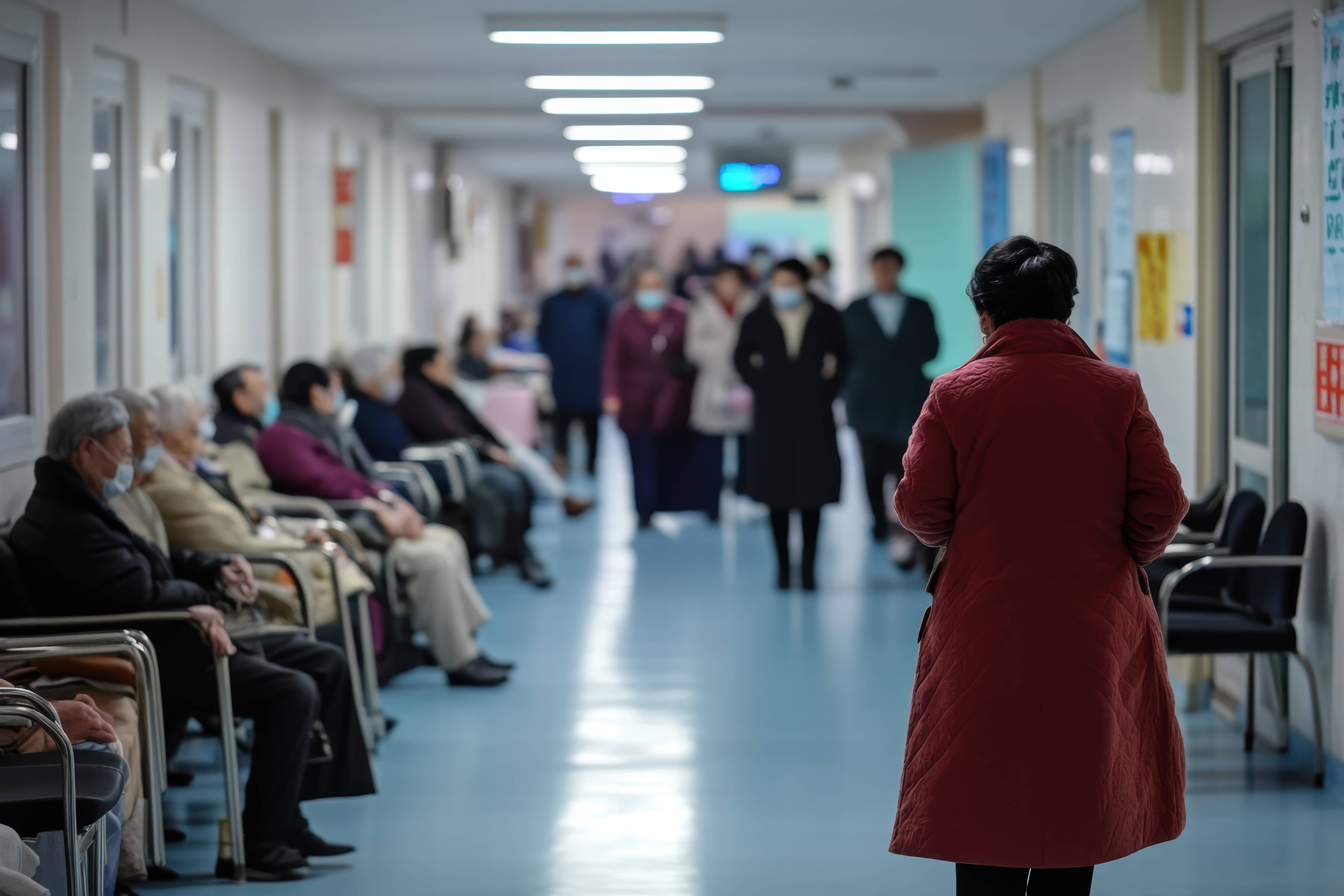
A journey through Japan is an inspiring blend of ancient heritage and modern wonders. Between catching morning bullet trains, marveling at historic shrines in Kyoto, exploring neon-lit neighborhoods in Tokyo, and sampling world-renowned cuisine, international travelers often maintain packed schedules to experience as much as possible.
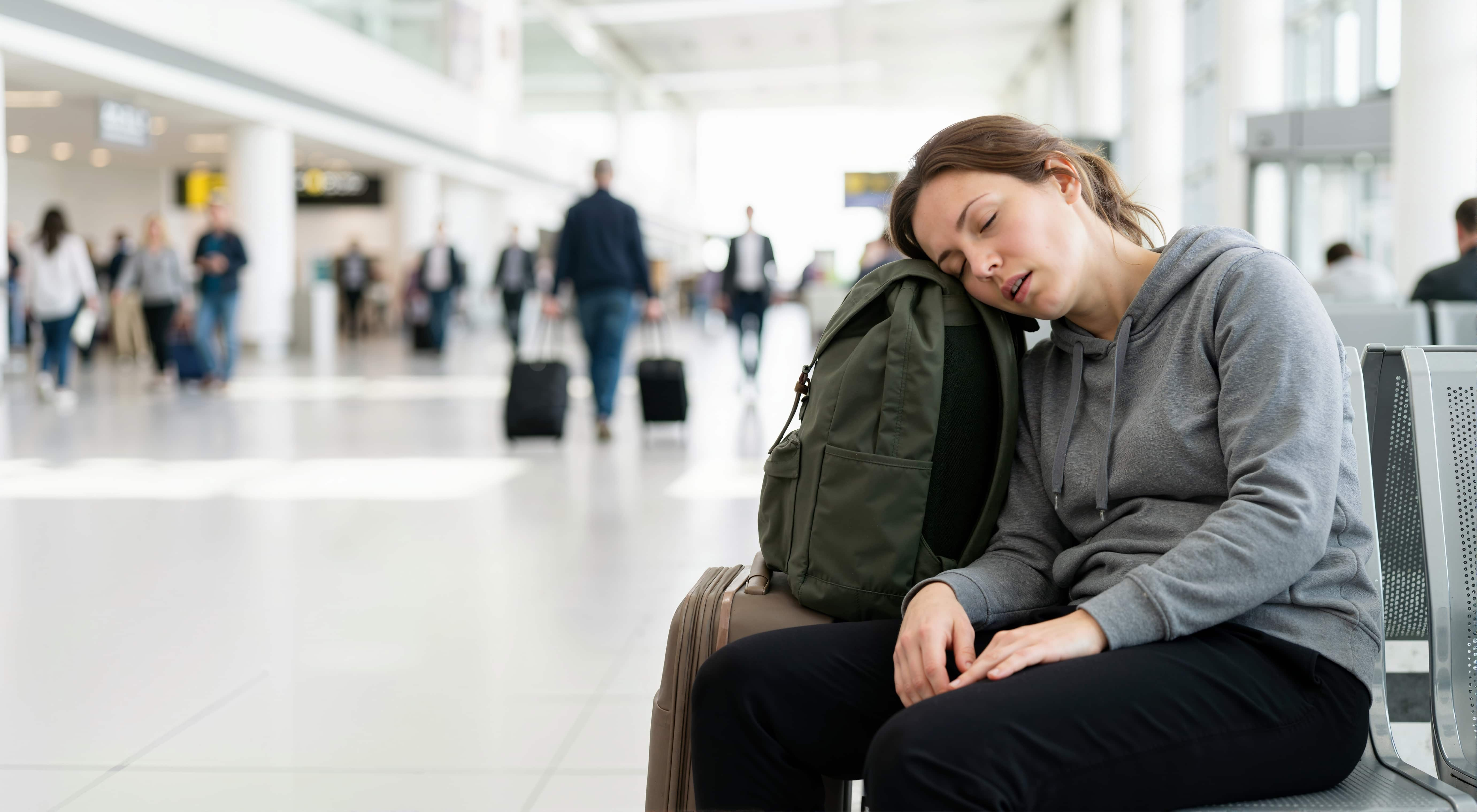
However, intensive travel itineraries frequently demand a high physical toll. Walking 15,000 to 20,000 steps each day, crossing international time zones, and adapting to fluctuating regional weather can strain your body's natural defenses. Mild physical discomfort—such as accumulated travel fatigue, an unexpected scratchy throat, seasonal allergies, or mild digestive unease—can emerge without warning. When every vacation hour is precious, spending half a day waiting in a clinic lobby can derail carefully arranged plans.
Common Travel Discomforts: Causes and Health Foundations
According to clinical guidance from the National Institutes of Health (NIH) and the Centers for Disease Control and Prevention (CDC) on international travel health, travelers are regularly exposed to physiological stressors. Rapid shifts in sleep patterns, long-haul flight dehydration, and sudden exposure to new climates can temporarily weaken immune resilience.
These circumstances commonly manifest as mild, travel-related conditions, including:
- Travel Fatigue and Low Energy: Physical exhaustion stemming from disrupted circadian rhythms and extended walking on hard surfaces.
- Upper Respiratory Irritation: Nasal dryness, throat scratchiness, or a mild cough triggered by dry airplane air, public transit, or temperature shifts.
- Mild Digestive Sensitivity: Temporary intestinal discomfort resulting from unfamiliar seasonings, regional dietary changes, or irregular eating times.
- Tension Headaches and Muscle Aches: Physical tension from carrying luggage and prolonged periods of standing during transit.
🩺 Medical Insight: The "Time-Cost" of Unfamiliar Healthcare Systems
Clinical literature archived by the NIH Bookshelf indicates that acute, non-severe conditions represent a substantial portion of medical inquiries among travelers abroad. While these minor ailments are generally manageable with timely, targeted symptom relief, navigating outpatient care in a foreign country introduces significant administrative and logistical friction. In Japan, standard outpatient clinics typically divide the patient journey into distinct phases—physical intake triage, detailed medical history forms, consultation waiting, billing processing, and visiting a separate dispensing pharmacy—which can collectively consume two to four hours of valuable daytime.
Practical Self-Care Options in Japan
When mild symptoms first appear, Japan’s extensive commercial network provides several practical options for immediate relief:
- Convenience Store Staples: Convenience stores across Japan carry electrolyte drinks (such as Pocari Sweat or Aquarius), hydrating throat lozenges, and cooling forehead sheets. These items are effective for maintaining hydration and resting comfortably in your hotel.
- Community Drugstores (Yakkyoku): Local drugstores stock various over-the-counter (OTC) products, including mild anti-inflammatory medications, general cold formulations, and basic digestive aids designed for symptom relief.
- Consult In-Store Specialists: Over-the-counter options in Japan are carefully regulated and frequently feature milder formulations than products found overseas. Please consult with a pharmacist or a registered seller at the store before purchasing to ensure appropriate usage and avoid potential ingredient interactions.
The Traveler's Dilemma: Time Loss and Clinic Obstacles
While over-the-counter products are useful for symptom relief, they may not always address conditions that require prescription-strength therapies, such as specific antimicrobials or targeted prescription pain relievers. Tourists attempting to visit a local clinic often face several major hurdles:
- Substantial Waiting Room Delays: Most local outpatient facilities operate on first-come-first-served systems or Japanese-only web reservations. Between transit, intake paperwork, examination queues, and payment handling, travelers frequently lose two to four hours of daylight sightseeing.
- Linguistic Barriers: Conveying nuanced medical symptoms, past medical history, or drug allergies across a language barrier can create unnecessary stress for both patients and healthcare providers.
- Prescription-Only Regulations: Under Japanese pharmaceutical regulations, potent and targeted medical treatments cannot be purchased over-the-counter and strictly require a doctor's clinical evaluation.
| Care Pathway | Time Efficiency & Convenience | Prescription Capabilities | Potential Considerations |
|---|---|---|---|
| Drugstore OTC Purchase | Readily accessible across cities; minimal wait. | Limited to mild symptom relief; no prescription drugs. | Packaging is often in Japanese; cannot provide targeted prescription therapies. |
| Local Walk-in Clinic | Low efficiency; travel and waiting may take 2 to 4 hours. | Full access to prescription treatments. | Substantial vacation time lost in waiting rooms; language challenges during intake. |
| HOTEL de DOCTOR 24 (Online) | High efficiency; consultation occurs directly from your room. | Prescriptions issued when clinically indicated and directed to a convenient pharmacy. | May require an in-person clinic visit if severe symptoms, physical examinations, or diagnostic tests are medically necessary. |
Maximize Your Travel Time Efficiency with HOTEL de DOCTOR 24
Prioritizing your schedule means choosing healthcare avenues that protect your travel plans while delivering dependable clinical oversight. HOTEL de DOCTOR 24 bridges modern telemedicine with local pharmacy access across Japan.
- Consult Directly from Your Room: Connect securely via video call from your smartphone, tablet, or laptop without spending hours traveling across town or sitting in crowded clinical waiting areas.
- Multilingual Support: The service provides comprehensive multilingual support, ensuring that you can describe your condition clearly and receive transparent medical guidance in English and multiple other languages.
- Nearby Pharmacy Pickup: When medication is clinically indicated, prescriptions can be arranged for convenient collection at a community pharmacy located near your hotel or along your sightseeing route, maximizing time performance.
- Insurance Documentation: A standard medical statement is conveniently delivered to your email following your consultation. In addition, an official Medical Certificate Issuance is available for an additional fee of 5,000 JPY upon request for insurance submission.
Frequently Asked Questions
Q. Why do walk-in medical visits take so long for tourists in Japan?
A. Japanese medical facilities often operate on walk-in queue systems or Japanese-language reservation portals. International travelers typically face multi-step intake paperwork, language translation hurdles, and separate waiting periods for triage, examination, billing, and prescription transfers, which can consume two to four hours.
Q. How does picking up medicine at a nearby pharmacy maximize travel time?
A. By consulting a doctor online directly from your hotel room, a valid prescription can be directed to a community pharmacy conveniently located along your sightseeing route or near your accommodation, eliminating round-trip transit and clinic waiting room delays.
Q. Can I obtain documentation for travel insurance claims without visiting a hospital in person?
A. Yes. Following an online consultation with HOTEL de DOCTOR 24, a standard medical statement is delivered to your email. Additionally, an official Medical Certificate Issuance is available for an additional fee of 5,000 JPY upon request.
Don't let waiting rooms derail your Japanese journey. Reclaim your schedule with prompt care.
Visit HOTEL de DOCTOR 24 at https://www.hoteldedoctor24.com for an immediate online medical consultation.
Protect your well-being, optimize your travel schedule, and experience the very best that Japan has to offer!
For Further Information & Official Guidance
- CDC Yellow Book: "What to Do When Sick Abroad" - Visit CDC Guidance
- National Institutes of Health (NIH) / NCBI Bookshelf: "Travel Medicine Considerations" - View NIH Overview
Disclaimer: This article provides general medical information. If you experience severe symptoms, difficulty breathing, chest pain, or an acute emergency, please call 119 for an ambulance immediately.
※ Please note that our services and pricing are subject to change without prior notice. For the most accurate and up-to-date information, please refer to our website and Terms of Service.