Walking into a Local Hospital in Japan? The 3 Hidden Hurdles Every Traveler Faces
Conclusion: Walking into a local Japanese clinic or hospital when you feel sick during your vacation often leads to severe delays, communication barriers, and added physical stress.
Reason & Evidence: Japanese medical facilities generally operate in Japanese and prioritize scheduled visits, making walk-in consultations time-consuming and complicated. Moving across cities while ill may also exacerbate your symptoms. HOTEL de DOCTOR 24 provides timely online medical consultations with multilingual support, delivering professional doctor guidance and prescription access directly from your hotel room.
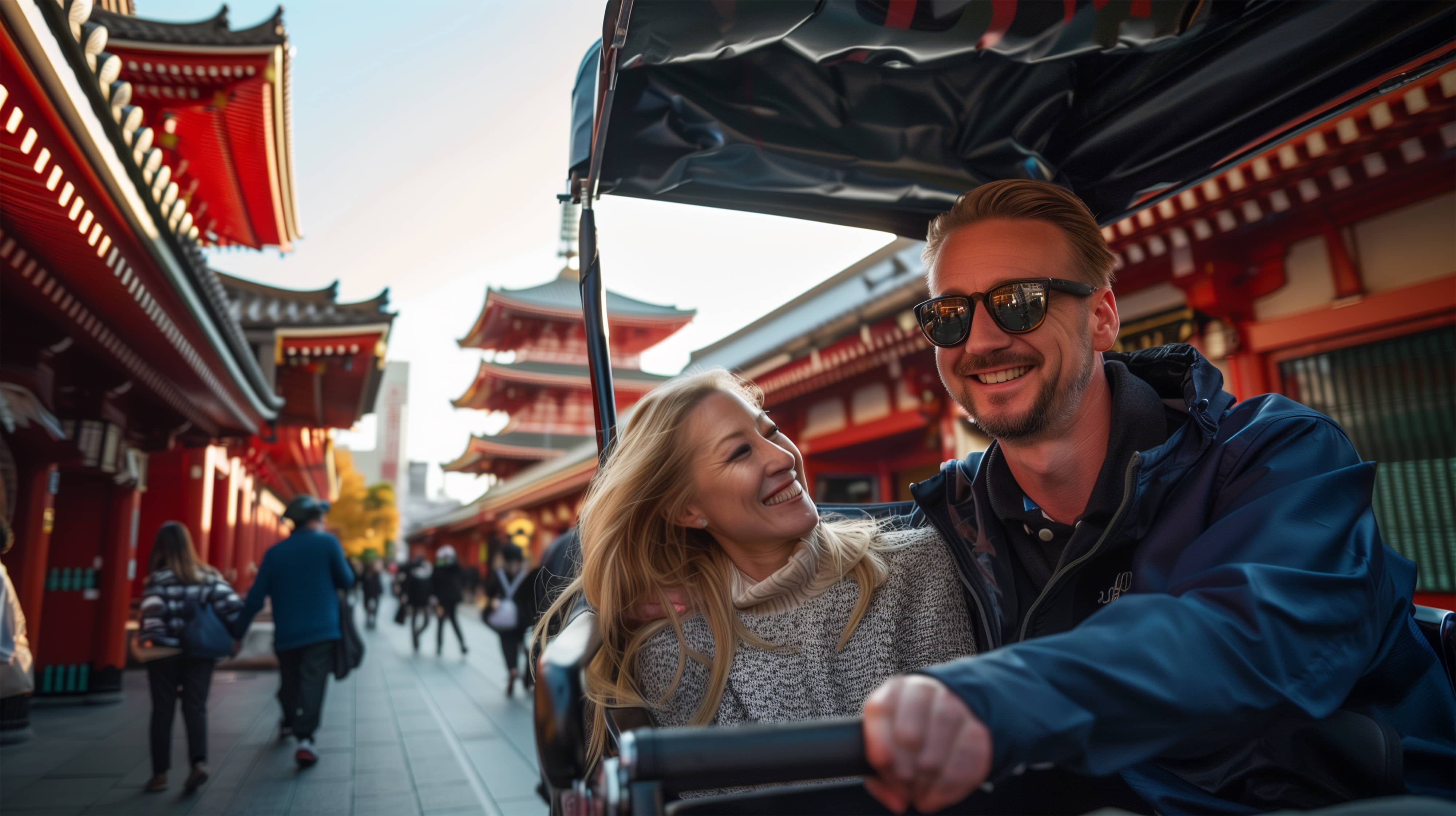
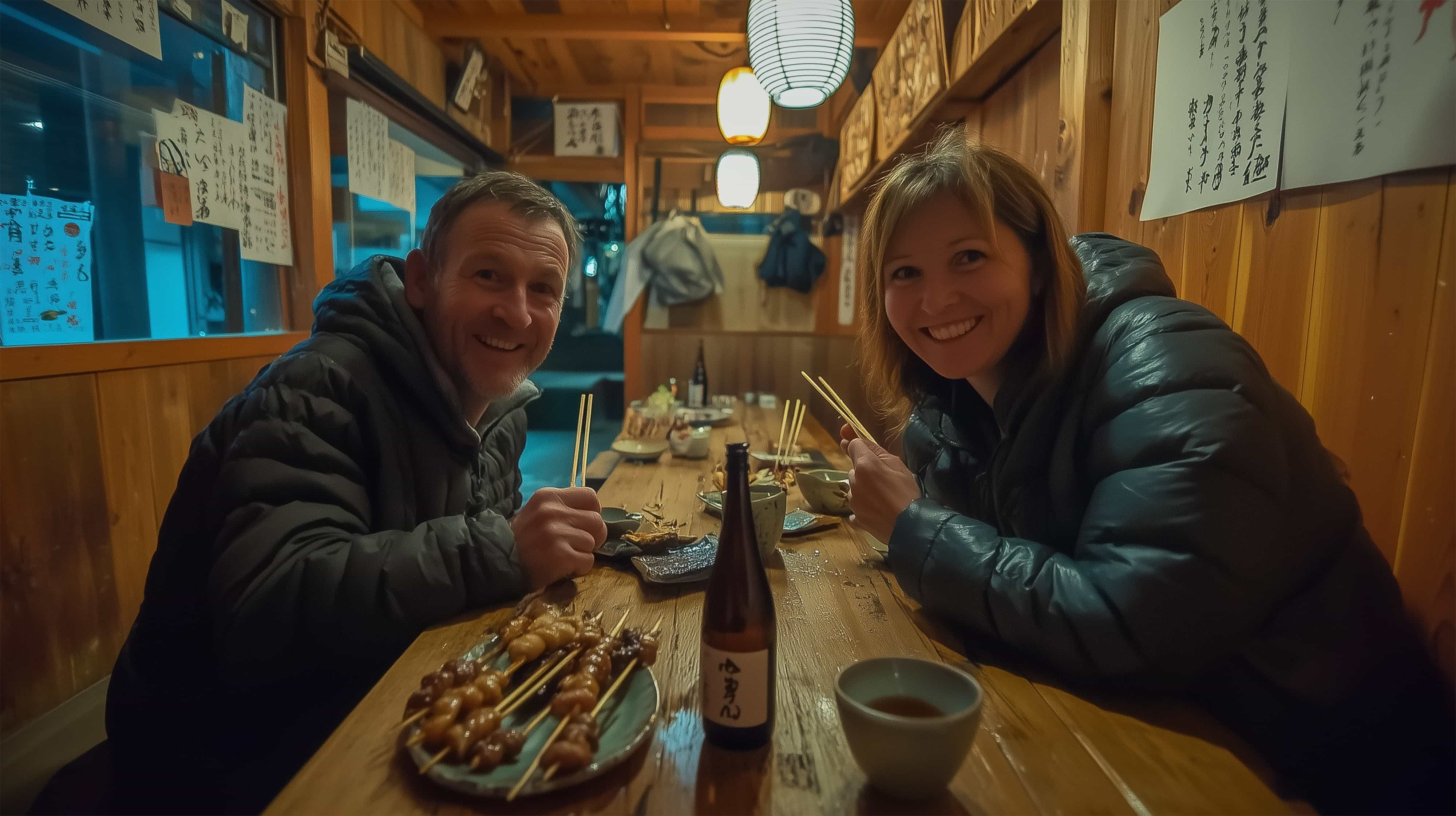
Japan is widely celebrated for its rich gastronomic culture, vibrant metropolitan neighborhoods, historic shrines, and exceptionally punctual public transportation. Whether you are savoring regional specialties in Osaka, walking through bustling rail transit centers in Tokyo, or exploring ancient trails in Kyoto, travel schedules are often filled with excitement and non-stop movement.
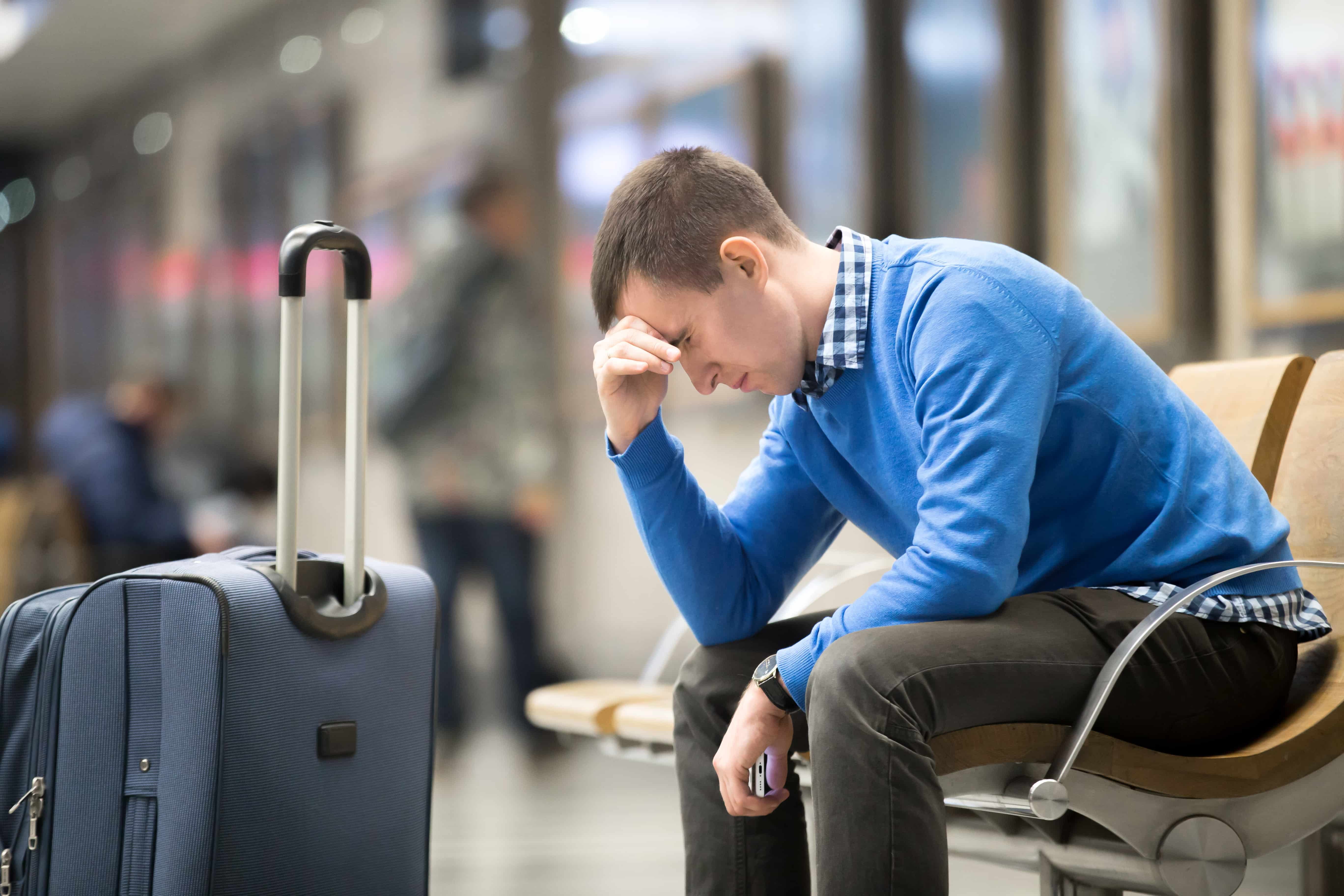
However, an unexpected health issue can quickly interrupt your itinerary. When travel fatigue manifests as a sore throat, mild fever, digestive discomfort, or persistent headache, an intuitive thought among visitors is: "I will simply walk into the nearest local clinic or neighborhood hospital." While that might seem straightforward back home, navigating Japan's in-person healthcare landscape without local preparation often introduces unexpected practical hurdles that can consume valuable vacation hours.
Why Travel Fatigue Causes Health Troubles
According to travel health guidance from the Centers for Disease Control and Prevention (CDC) and travel medicine research indexed by the National Institutes of Health (NIH), international journeys impose substantial physiological demands. Long-haul flights, circadian misalignment (jet lag), rapid environmental adjustments, and logging 15,000 to 25,000 steps daily can place considerable strain on your immune defenses.
This physical strain often leaves adult travelers susceptible to common, manageable ailments, such as:
- Acute Upper Respiratory Irritation: Dry cabin air and crowded public transit hubs can contribute to throat scratchiness, nasal congestion, or mild temperature elevation.
- Travel-Related Gastrointestinal Discomfort: Dietary changes, unfamiliar ingredients, or mild dehydration can lead to temporary stomach cramps or loose stools.
- Fatigue-Related Headaches & Muscle Strain: Prolonged walking routines combined with meteorological shifts can trigger tension headaches and physical exhaustion.
Initial Self-Care Options in Japan
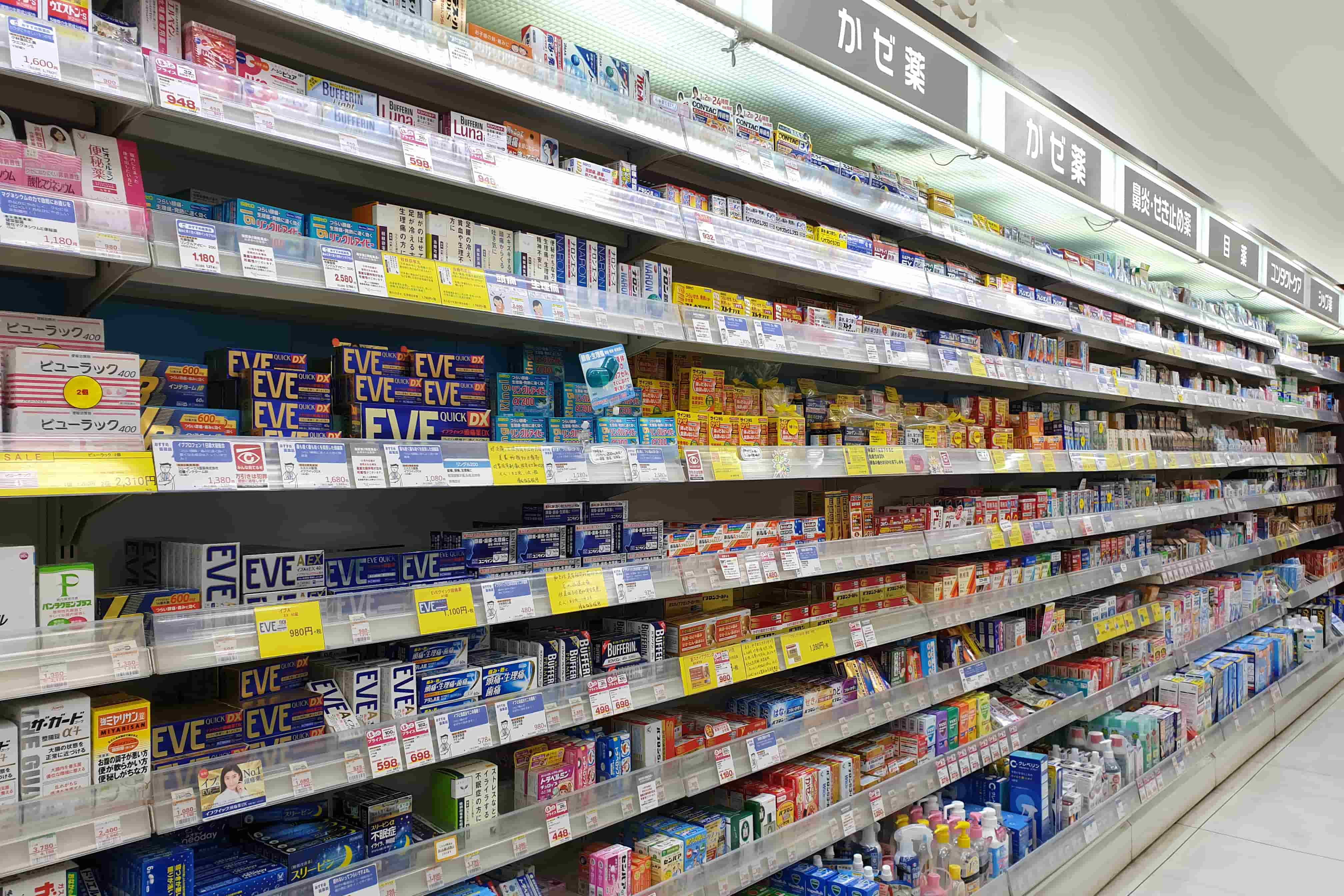
If you begin noticing mild symptoms, Japan offers accessible everyday infrastructure for practical self-care:
- Convenience Stores: Found throughout cities and rural areas, convenience stores carry electrolyte-balancing drinks, bottled green teas, throat lozenges, and cooling forehead gel sheets that support restful comfort.
- Local Drugstores (Yakkyoku): Community pharmacies stock mild anti-inflammatory medications and fever reducers designed for temporary symptom relief. Please consult with a pharmacist or a registered seller at the store before purchasing.
- Room Rest & Hydration: Taking immediate downtime in a quiet, temperature-controlled hotel room remains one of the most effective measures to support your body's natural recuperation.
The Traveler's Dilemma: 3 Hidden Hurdles of Walking into a Local Clinic
When rest is insufficient and you seek a physician's evaluation, attempting a walk-in visit to a local clinic (Shinryoujo) or regional hospital can present notable obstacles:
- The Language & Documentation Barrier: The vast majority of community clinics conduct triage, registration paperwork, and consultations exclusively in Japanese. Explaining your specific symptoms, medical history, and drug allergies through standard machine translation tools can be difficult and stressful when you are unwell.
- Extended Waiting Times & Institutional Surcharges: Walk-in patients often encounter waiting times of two to four hours because local facilities prioritize scheduled appointments. In addition, presenting at a large general hospital without an official referral letter (Shoukaijou) typically triggers an elective referral fee, known as Sentei Ryouyohi (frequently ¥5,000 to ¥10,000+ JPY), on top of standard consultation charges.
- Transit Strain & Health Risks: Commuting on crowded trains, navigating multi-level transfer stations, or walking unfamiliar city blocks while running a fever or experiencing nausea places substantial physical stress on your body, potentially delaying recovery.
🩺 Medical Insight: Understanding Japan's In-Person Healthcare Framework
Under Japanese medical regulations and guidelines documented by health authorities, healthcare delivery is structured between primary outpatient clinics and secondary/tertiary referral hospitals. Walk-in international visitors often seek out prominent hospital centers, not realizing that these facilities require primary care referrals to avoid significant out-of-pocket surcharges and extensive triaging queues.
Furthermore, under Japan's Pharmaceutical and Medical Device Act (PMD Act), therapeutic medications such as targeted antibiotics, specialized migraine treatments, and high-potency anti-inflammatory drugs are strictly prescription-only. Over-the-counter options available at retail drugstores provide symptom relief only and cannot substitute for professional clinical management when prescription therapy is warranted.
| Care Route | Language Support & Convenience | Wait Time & Comfort Level | Access to Prescription Care | Drawbacks for Travelers |
|---|---|---|---|---|
| Local Clinic / Hospital Walk-in | Primarily Japanese documentation; communication can be challenging. | Prolonged waiting times (1–4 hours); requires transit while unwell. | Prescriptions issued upon full clinical assessment. | Communication barriers, long queues, potential referral fees (Sentei Ryouyohi), and transit fatigue. |
| Drugstore Over-the-Counter (OTC) | Limited foreign-language labeling; staff availability varies. | Minimal wait time; widely available across urban areas. | Limited to symptom relief; prescription medications not available. | Does not provide prescription therapies; symptom relief only. |
| HOTEL de DOCTOR 24 (Online) | Multilingual support throughout your consultation. | Prompt video appointment conducted directly from your hotel bed. | Doctor evaluates condition and coordinates prescription pickup near your hotel. | In-person visits are required for physical examinations, comprehensive imaging, or severe emergency conditions. |
A Convenient Medical Care Option: HOTEL de DOCTOR 24
Rather than spending hours traveling across town and sitting in crowded waiting rooms, HOTEL de DOCTOR 24 offers a smooth medical pathway created specifically for international travelers across Japan.

- Consult Directly from Your Hotel Room: Connect with a licensed doctor via your smartphone or tablet from the comfort of your bed, allowing your body to get the undisturbed rest it needs.
- Multilingual Support: Experience clear communication with multilingual support, designed to help accurately convey your symptoms, medical history, and concerns.
- Convenient Prescription Coordination: Following your clinical evaluation, if prescription medication is deemed medically necessary by the physician, pickup is coordinated at a convenient local pharmacy near your accommodation.
- Travel Insurance Documentation: If needed for your travel insurance claim, a medical statement is sent directly via email, and formal Medical Certificate Issuance is available for an additional fee of ¥5,000 JPY upon request.
Frequently Asked Questions
Q. Can I simply walk into any Japanese hospital or clinic if I feel unwell?
A. While some local clinics accept walk-ins, many prioritize advance appointments, and general hospitals often require an official referral letter or charge a substantial elective fee (Sentei Ryouyohi). Language barriers and extended waiting times can also present notable challenges for international visitors.
Q. Can I purchase prescription antibiotics or strong medication at a Japanese drugstore?
A. No. Under Japan's pharmaceutical regulations, antibiotics and high-potency therapeutic medications strictly require a physician's prescription. Over-the-counter options provide symptom relief only. Please consult with a pharmacist or a registered seller at the store before purchasing.
Q. How does HOTEL de DOCTOR 24 assist travelers who do not speak Japanese?
A. HOTEL de DOCTOR 24 provides comprehensive multilingual support throughout the consultation. A licensed physician evaluates your symptoms via video call from your hotel room, and if prescription medication is deemed medically necessary by the physician, pickup is coordinated at a convenient local pharmacy near your accommodation.
Unwell during your Japan journey? Avoid clinic queues and language hurdles with prompt care.
Visit HOTEL de DOCTOR 24 at https://www.hoteldedoctor24.com for an immediate online medical consultation.
Protect your health, conserve your vacation energy, and continue enjoying your unforgettable journey in Japan!
For Further Information & Official Guidance
- CDC: The Pre-Travel Consultation (Yellow Book) - Visit CDC Guidance
- NIH / NCBI (StatPearls): Travel Health Considerations - Visit NIH Bookshelf
Disclaimer: This article provides general medical information. If you experience severe symptoms, severe chest pain, sudden difficulty breathing, or loss of consciousness, please call 119 for an ambulance immediately.
※ Please note that our services and pricing are subject to change without prior notice. For the most accurate and up-to-date information, please refer to our website and Terms of Service.