Can't Speak Japanese and Need a Doctor? How Multilingual Telemedicine Supports Travelers in Japan
Conclusion: Falling ill in Japan can be highly stressful due to language barriers, but you do not have to navigate local clinics alone or give up on receiving proper care. Multilingual telemedicine provides immediate, accessible relief.
Reason & Evidence: Language barriers often prevent accurate diagnoses and restrict access to necessary prescription medications. Using an online doctor service like HOTEL de DOCTOR 24 offers robust multilingual support, supporting a proper medical evaluation and access to prescriptions when medically indicated straight from your hotel room.

Japan offers endless discoveries, from the serene temples of Kyoto to the bustling, neon-lit streets of Tokyo. Exploring the incredible local cuisine and rich culture is thrilling, but this excitement can quickly turn into anxiety if you suddenly feel unwell. One of the biggest challenges for international tourists is navigating a foreign healthcare system when they cannot speak the local language.
For many travelers, the fear of not being understood often causes them to hesitate, endure the pain, or abandon the idea of seeking necessary medical help altogether.
The Reality of Language Barriers in Travel Healthcare
According to international travel healthcare guidance from the Centers for Disease Control and Prevention (CDC) on what to do when sick abroad, overcoming communication barriers is critical for receiving safe, timely clinical evaluations in a foreign country. When visitors cannot converse fluently with medical staff, the stress of dealing with acute health concerns increases considerably.
Clinical studies indexed by the National Institutes of Health (NIH / PubMed: 37965417) demonstrate that language discordance in healthcare encounters is directly linked to patient anxiety and poses a potential obstacle to comprehensive medical evaluations. Feeling intimidated by language differences is a natural reaction, but seeking medical support should never be abandoned because of communication concerns.
🩺 Medical Insight: Overcoming Language Barriers in Clinical Care
It helps ensure that an underlying bacterial infection or a more serious condition can be properly evaluated, rather than mistakenly treated with just mild over-the-counter symptom relief. Relying solely on translation apps or hand gestures can create confusion regarding drug allergies, previous medical history, and specific symptom nuances. Comprehensive multilingual support serves as a vital bridge, facilitating clear clinical dialogue between the patient and the physician.

Self-Care and Its Practical Limits in Japan
If you experience very early or mild physical fatigue, Japanese retail networks provide convenient immediate resources. Convenience stores and drugstores (Yakkyoku) stock hydration beverages, cooling gel sheets, and basic over-the-counter options.
Travelers can easily purchase electrolyte replacement drinks, cooling gel sheets, and basic fever reducers or mild anti-inflammatory medications. Please consult with a pharmacist or a registered seller at the store before purchasing.
It is important to bear in mind that over-the-counter items are formulated solely for temporary symptom relief, not for treating bacterial or complex medical infections. Moreover, packaging labels and usage instructions are printed almost entirely in Japanese, making independent selection challenging for foreign travelers.
The Inbound Traveler’s Healthcare Dilemma
When rest and over-the-counter measures fail to provide adequate relief, international travelers face distinct hurdles within the traditional medical environment:
- Prescription Restrictions: You cannot buy prescription-only medications (such as antibiotics for a bacterial infection) without a doctor's prescription in Japan.
- The Burden of Communication: Explaining detailed symptoms—such as the exact onset of pain or specific drug sensitivities—without a shared language creates significant hesitation, leading many to endure illness rather than seek care.
- Clinic Logistics: Visiting a traditional walk-in clinic typically involves extensive waiting periods and completing comprehensive intake forms in Japanese while feeling unwell.
| Care Approach | Medical Scope | Considerations & Limitations for Tourists |
|---|---|---|
| Drugstore OTC Products | Mild to moderate temporary symptom relief. | Language barriers during product selection; cannot supply prescription-only medications. |
| Local Outpatient Clinic | In-person physical examination and full prescription capability. | Potential language barriers, long wait times, and intricate paperwork in Japanese. |
| HOTEL de DOCTOR 24 (Online) | Remote medical evaluation, multilingual support, and pharmacy guidance. | Requires an internet connection; cannot perform in-person physical examinations or urgent diagnostic tests. |
Bridging the Barrier with HOTEL de DOCTOR 24
Language barriers should never prevent you from receiving medical attention or compromise your safety during your stay. HOTEL de DOCTOR 24 offers a dedicated telemedicine platform designed to support international travelers across Japan.
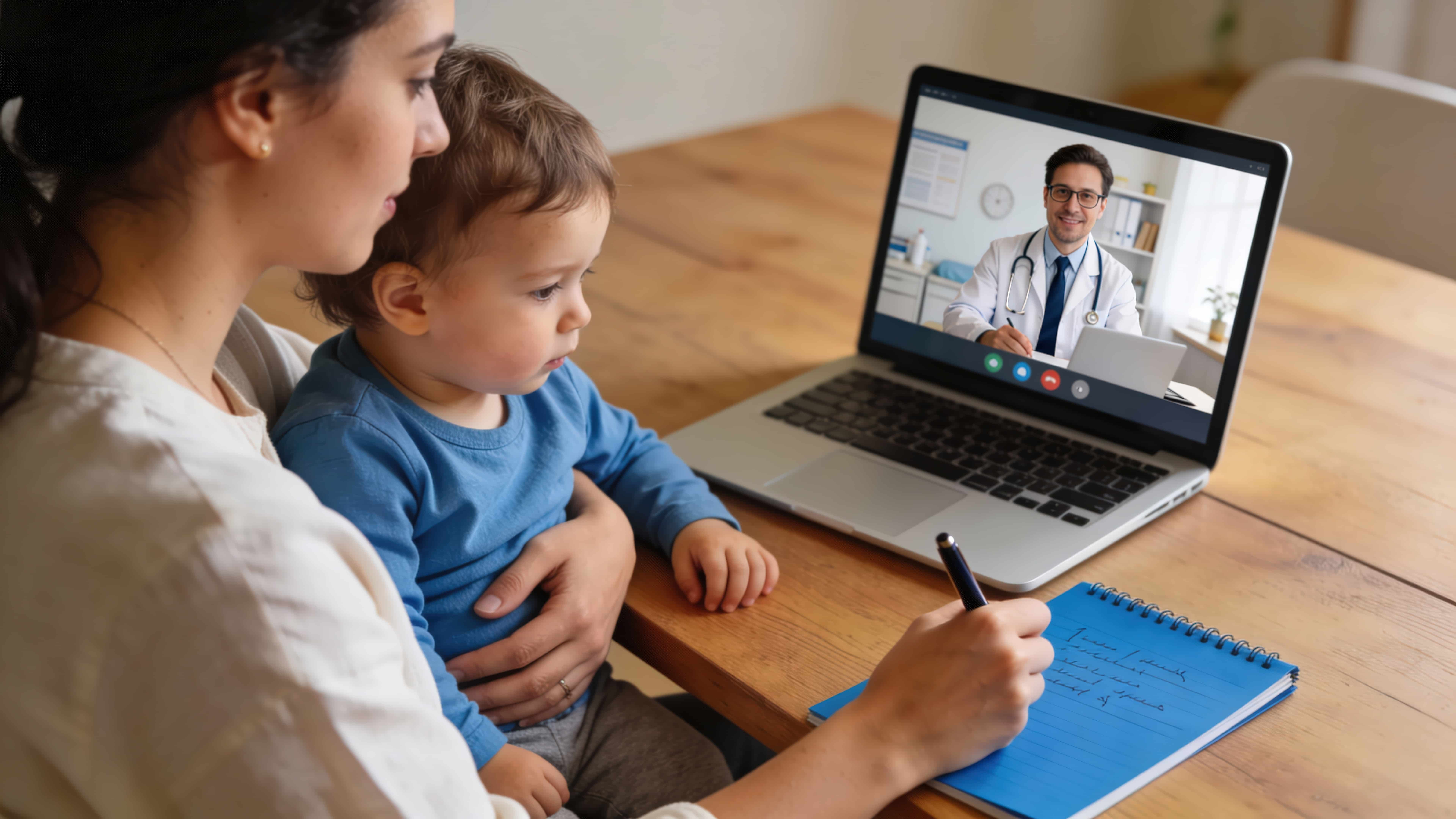
- Consult Directly from Your Room: Connect securely via video call from your smartphone without traveling across the city or sitting in a crowded clinic waiting room.
- Comprehensive Multilingual Support: Our multilingual support helps the doctor accurately understand your condition and medical history, allowing you to articulate symptoms comfortably in your preferred language.
- Prescriptions & Documentation: If deemed medically necessary, the doctor can prescribe medications and guide you to a nearby pharmacy. For travel insurance claims, a medical statement can be sent via email, and a formal Medical Certificate Issuance is available for an additional ¥5,000 JPY upon request.
Frequently Asked Questions
Q. Can I buy prescription medications like antibiotics over the counter at a Japanese pharmacy?
A. No. In Japan, prescription-only medications, including antibiotics, cannot be purchased over the counter. A licensed physician's evaluation is legally required, and prescription medications may be required based on clinical assessment.
Q. How can I explain my symptoms to a doctor in Japan if I don't speak Japanese?
A. Using a telemedicine service with robust multilingual support allows you to communicate comfortably in your native or preferred language, helping to convey your medical history and current symptoms accurately.
Q. Is relying on translation apps safe for medical consultations at local clinics?
A. While machine translation is helpful for everyday travel needs, medical terminology and nuanced drug allergies carry risks of misunderstanding. Professional multilingual support offers far greater clarity and clinical peace of mind.
Don't let language barriers stand between you and the care you need.
Visit HOTEL de DOCTOR 24 at https://www.hoteldedoctor24.com.
Communicate with confidence, get the care you need, and continue enjoying your journey in Japan!
For Further Information & Official Guidance
- CDC - What to Do If You Get Sick or Injured While Traveling
- NIH (PubMed) - Clinical Research on Language Barriers in Healthcare (PMID: 37965417)
Disclaimer: This article provides general medical information. If you experience severe symptoms, please call 119 for an ambulance immediately.
*Please note that our services and pricing are subject to change without prior notice. For the most accurate and up-to-date information, please refer to our website and Terms of Service.