Woke Up Sick at 2 AM in Japan? How to Access 24/7 Medical Care from Your Hotel Room
Conclusion: Consulting an online doctor directly from your bed provides a fast, convenient option for accessing medical guidance.
Reason & Evidence: HOTEL de DOCTOR 24 offers immediate 24/7 online consultations with multilingual support, supporting proper medical evaluation and guidance on treatment options without having to leave your hotel room.
Traveling across Japan is an unforgettable experience. From late-night ramen runs in vibrant alleyways to marvelling at illuminated shrines and taking thousands of steps each day, your itinerary is bound to be filled with adventure. However, long-haul flights, rapid changes in climate, and prolonged physical activity can quietly wear down your body’s defenses.
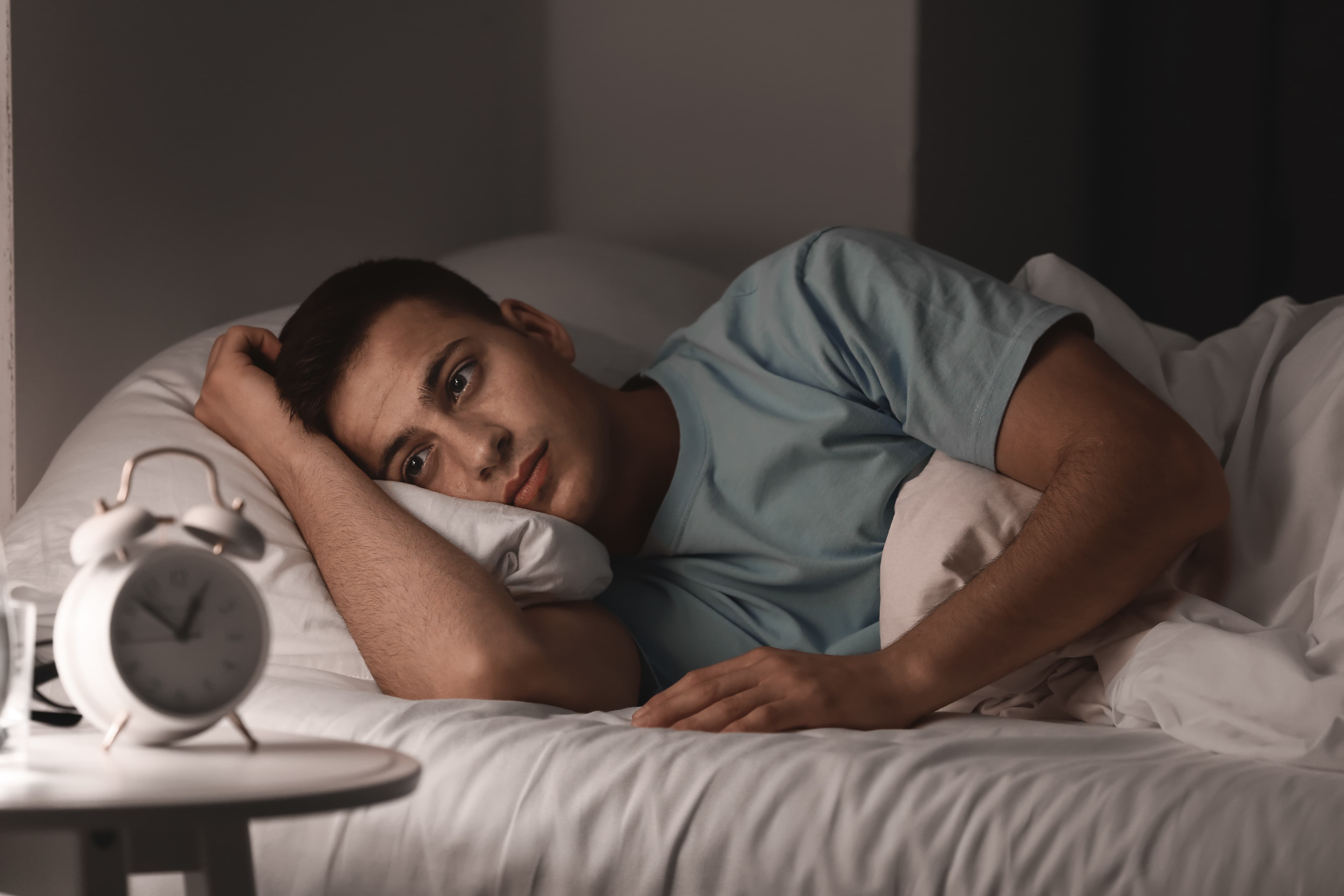
Few things are as disorienting as waking up in your hotel room at 2:00 AM with a sudden fever, unexpected chills, a pounding headache, or gastrointestinal distress. In the quiet of the night, in a foreign city where most services are shut down, figuring out how to seek medical help can feel intimidating and lonely.
Why Illness Strikes in the Middle of the Night
Experiencing acute symptoms during late-night hours is a common travel challenge. According to international travel health guidance published by the Centers for Disease Control and Prevention (CDC) and biological research indexed by the National Institutes of Health (NIH), several factors contribute to nighttime vulnerability:
- Circadian Rhythm Disruption: Crossing multiple time zones disrupts your normal sleep-wake cycles. Clinical studies show that circadian desynchronization alters hormonal rhythms and sleep architecture, temporarily lowering overall immune resilience.
- Nighttime Inflammatory Swings: The body naturally secretes lower levels of cortisol—a hormone that helps moderate inflammation—during the late-night and pre-dawn hours. As a result, immune responses often surge overnight, making fevers spike and throat or body discomfort feel noticeably more pronounced.
- Cumulative Physical Exhaustion: Intense daytime sightseeing paired with dry indoor air from hotel air conditioning can leave mucous membranes irritated and dehydrated, allowing mild issues to escalate while you sleep.
🩺 Medical Insight: Circadian Physiology and Japan's Overnight Healthcare Structure
Research indexed by the NIH (such as studies on circadian disruption and stress responses, PMC11262807) demonstrates that travel fatigue and sleep deprivation significantly alter neuroendocrine regulation, dampening the immune system's initial defense mechanisms against common environmental pathogens. When symptoms manifest, cytokine activity during the night can turn mild daytime discomfort into acute distress.
In Japan, the healthcare structure overnight is very different from standard daytime operations. Regular outpatient clinics (Shinryojo) typically close by early evening. While municipal emergency hospitals (Kyukyu Byoin) operate through the night, they are structurally organized to prioritize critical emergencies and severe trauma brought in by ambulances. Walking into an emergency department at 2:00 AM for non-critical conditions often involves extended triage waiting times, after-hours facility surcharges, and a significant lack of foreign language administrative support.
Immediate Self-Care Options in Japan
While you consider your medical options, Japan's convenience infrastructure offers helpful items for basic comfort and supportive care:
- Hydration from Konbini: Hydrate with electrolyte solutions available at 24-hour convenience stores (such as 7-Eleven, Lawson, or FamilyMart). Look for drinks like Pocari Sweat, Aquarius, or oral rehydration solutions like OS-1.
- Cooling Forehead Gel Sheets: Convenience stores typically carry cooling hydrogel patches (such as Hie-Pita or Netsusama Sheet), which can provide soothing comfort for a burning forehead or aching neck.
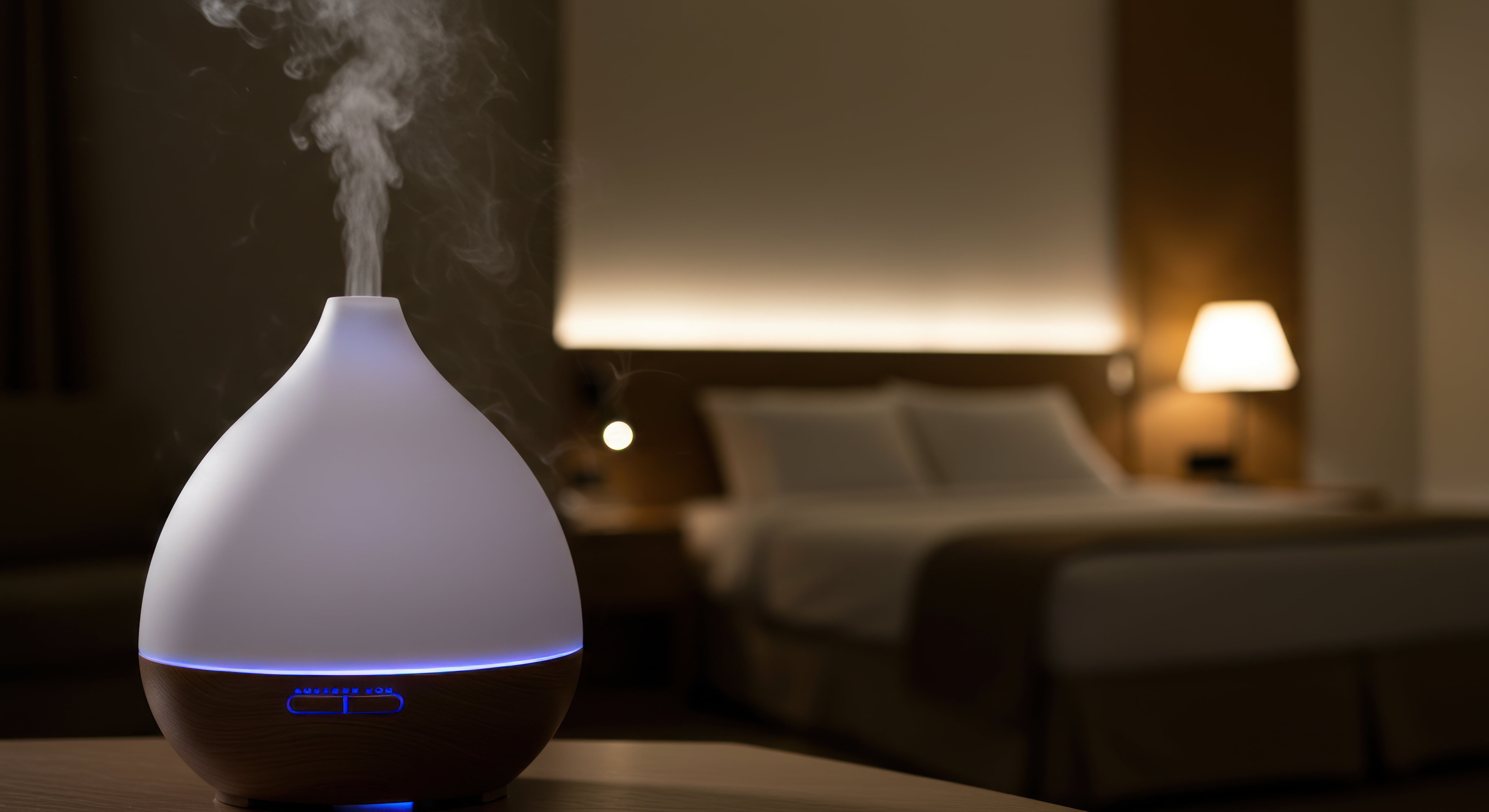
- In-Room Humidification: Dry air can aggravate irritated airways. Most hotel rooms have an air purifier unit equipped with a humidifying function (Kashitsuki) that can be filled with tap water.
- Over-The-Counter Medications: If you locate an open 24-hour pharmacy, you may find mild anti-inflammatory medications for temporary symptom relief. Please consult with a pharmacist or a registered seller at the store before purchasing.
The Traveler's Dilemma: Navigating Medical Care in the Dead of Night
When supportive measures are insufficient and you require medical evaluation, seeking care at 2:00 AM presents several practical hurdles:
- Overnight Closure of Local Clinics: Neighborhood clinics and family practices are completely closed overnight, leaving only major hospital emergency departments open.
- Prescription Restrictions: In Japan, potent prescription-strength medications (such as antibiotics, specific migraine therapies, and targeted antispasmodics) cannot be purchased over-the-counter. Even stronger over-the-counter options (Class 1 OTC) can only legally be dispensed when a licensed pharmacist is on duty, which is rare in overnight retail settings.
- Language and Communication Barriers: Explaining your medical history, drug allergies, or specific symptoms in Japanese while feeling unwell can be stressful and difficult.
- Emergency Room Triage: Walking into a hospital emergency room late at night often means waiting hours in an unfamiliar setting while staff attend to acute emergencies.
| Care Channel | Availability & Access | Medical Efficacy & Scope | Key Drawbacks for Travelers |
|---|---|---|---|
| 24-Hour Convenience Stores (Konbini) | High; located on nearly every street corner. | Provides comfort goods (cooling sheets, hydration drinks, teas). | No prescription drugs; cannot address underlying bacterial infections or moderate pain. |
| Hospital Emergency Rooms (Kyukyu Byoin) | Physical facilities open 24/7. | Comprehensive in-person emergency diagnostics and acute interventions. | Prioritizes life-threatening emergencies; long waits for non-critical cases; significant language barriers. |
| HOTEL de DOCTOR 24 (Online Telemedicine) | Immediate 24/7 access from your hotel room via smartphone. | Medical consultation, multilingual support, and direct prescription coordination. | Limited to non-emergency conditions; cannot perform physical examinations, lab tests, or emergency procedures. |
A Reliable Nighttime Lifeline: HOTEL de DOCTOR 24
When you are unwell late at night, wandering unfamiliar streets to find an open facility is the last thing you want to do. HOTEL de DOCTOR 24 offers a practical, supportive bridge tailored specifically for international travelers.
- True 24/7 Medical Access: Sudden illnesses do not follow regular business hours. Whether your fever spikes at 2:00 AM or just before sunrise, you can connect directly with a licensed physician.
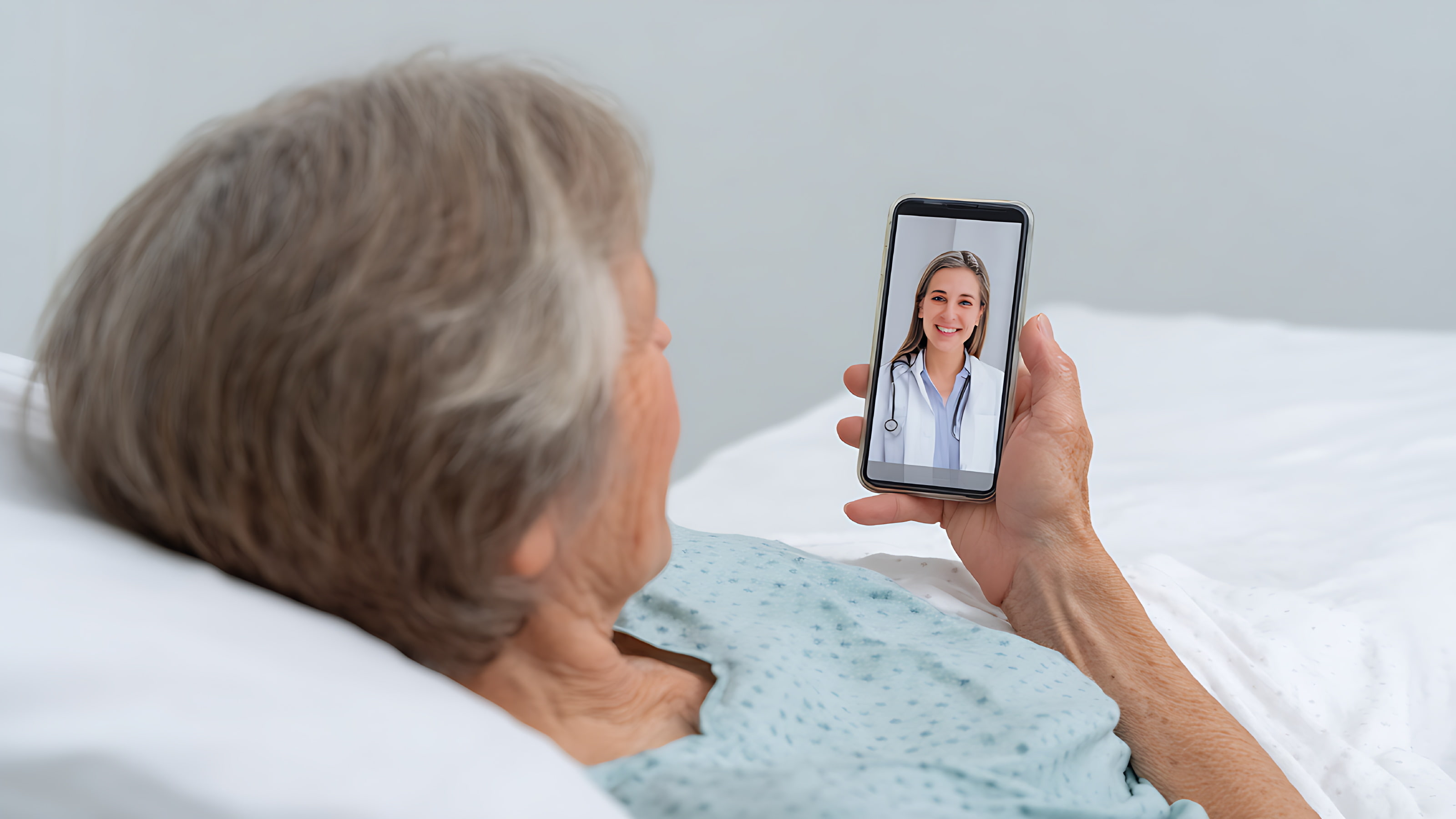
- Consult Directly from Your Hotel Bed: Avoid late-night taxi rides and crowded waiting areas. Complete your video consultation comfortably using your smartphone or tablet.
- Multilingual Support: Describe your symptoms in your preferred language without the stress of miscommunication. Our consultations feature dedicated multilingual support to ensure your medical concerns are clearly understood.
- Prescription Coordination & Insurance Documentation: If prescription medication is deemed necessary by the physician, our team coordinates access and directs you to an appropriate dispensing pharmacy. Additionally, an official medical statement is delivered directly to your email, and Medical Certificate Issuance is available for an additional fee of ¥5,000 JPY to assist with your travel insurance claim.
Frequently Asked Questions
Q. Can I simply walk into a Japanese emergency room at 2 AM for a sudden illness?
A. While hospital emergency rooms operate overnight, they prioritize life-threatening trauma and acute crises. Non-critical walk-in patients often face extensive triage wait times, substantial after-hours fees, and communication challenges, as overnight foreign language support is rarely available in municipal facilities.
Q. Can I buy prescription medications or strong fever reducers at Japanese convenience stores late at night?
A. No. Japanese convenience stores (Konbini) do not sell prescription medications or Class 1 over-the-counter drugs like Loxoprofen. They only stock basic cooling sheets, hydration drinks, and general hygiene products. Effective prescription-strength treatment requires consultation with a licensed medical professional.
Q. How does HOTEL de DOCTOR 24 assist international travelers during late-night health emergencies?
A. Operating 24 hours a day, 365 days a year, HOTEL de DOCTOR 24 connects you to licensed physicians via video call directly from your smartphone. The service features comprehensive multilingual support, coordinates necessary prescription guidance, and provides official medical documentation sent directly to your email, with optional Medical Certificate Issuance available for an additional fee of ¥5,000 JPY to assist with your travel insurance claim.
Sudden fever or discomfort keeping you awake in your hotel room at 2 AM?
Visit HOTEL de DOCTOR 24 at https://www.hoteldedoctor24.com for an immediate online medical consultation.
Rest easy knowing proper medical advice is accessible right from your smartphone, helping you recover quickly and make the most of your travels in Japan!
For Further Information & Official Guidance
- CDC (Yellow Book): "What to Do When Sick Abroad" – Health care abroad guidelines and international travel advice. Visit CDC Guidance
- National Institutes of Health (NIH) / PMC: Clinical research on travel fatigue, circadian rhythm disruption, and health implications. View NIH Article
Disclaimer: This article provides general medical information. If you experience severe symptoms, please call 119 for an ambulance immediately.
※ Please note that our services and pricing are subject to change without prior notice. For the most accurate and up-to-date information, please refer to our website and Terms of Service.