Stranded in a Japanese Resort? Managing Illness in Niseko or Hakone Without a Car or English Clinic
Conclusion: Falling ill in remote Japanese resort areas like Niseko or Hakone can be highly stressful due to limited access to English-speaking clinics and transportation. Tourists should utilize online medical services for immediate, multilingual support.
Reason & Evidence: Resort towns often lack comprehensive medical infrastructure for non-Japanese speakers, and securing a taxi to a distant hospital is difficult. Pharmacies provide only mild symptom relief. Using HOTEL de DOCTOR 24 allows you to consult a doctor directly from your accommodation, providing reliable guidance and necessary prescriptions without the need to travel.

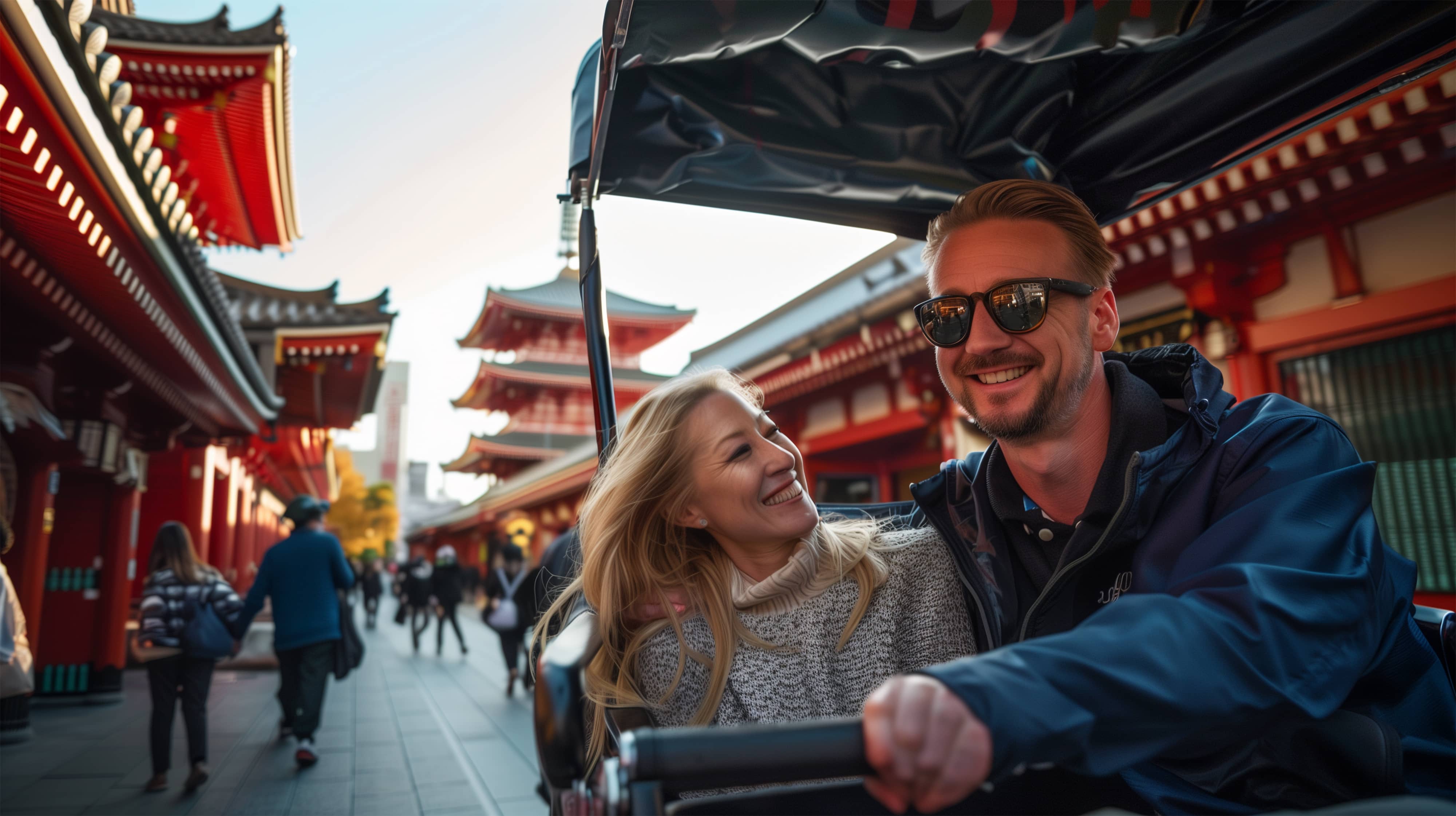
Japan offers some of the most breathtaking resort experiences in the world. Whether you are chasing the legendary powder snow in Niseko, Hokkaido, or relaxing in the serene hot springs (onsen) of Hakone, your itinerary is likely filled with unforgettable moments. However, getting sick in these beautiful, remote locations can quickly turn an exciting vacation into an anxious situation.
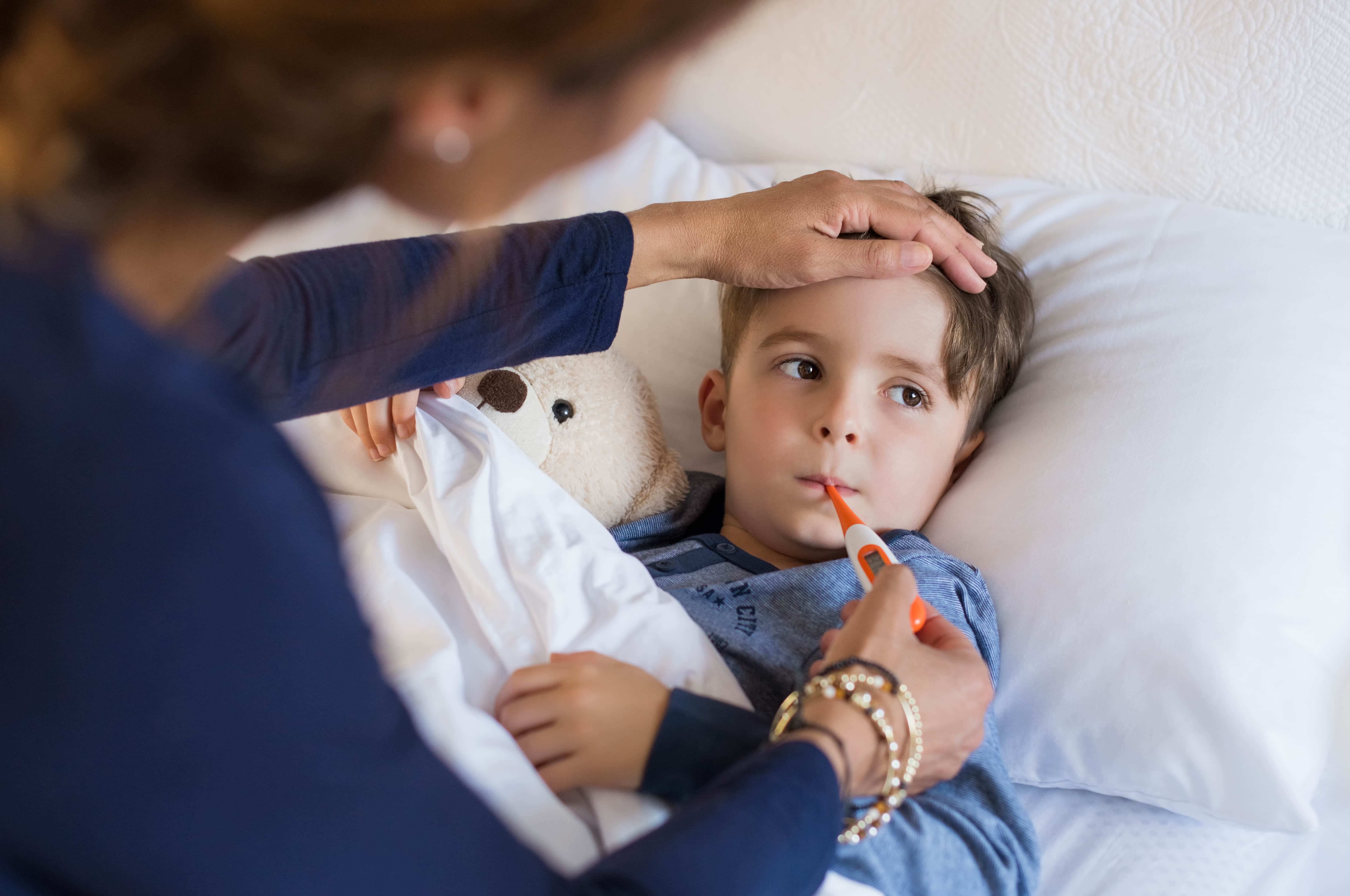
Many inbound tourists experience a sense of isolation when a sudden fever, respiratory issue, or gastrointestinal trouble strikes. Finding yourself in a rural area without a rental car, struggling to find a hospital that accommodates English speakers, can make you feel like a "medical refugee." Let's explore why this happens and how to smartly manage your health when staying in Japan's resort destinations.
🩺 Medical Insight: The Vulnerability of Travel
Medical literature regarding travel health indicates that the sudden onset of upper respiratory symptoms (like a sore throat or cough) or gastrointestinal distress is frequently linked to travel-induced fatigue and disrupted sleep cycles. Because tourists often push their physical limits with activities like skiing or hiking, minor ailments can escalate. Early intervention and proper symptom management are crucial to prevent secondary bacterial infections, which would require prescription-strength treatments.
Why Illness Strikes During Resort Travel
It is not uncommon for travelers to feel unwell after arriving at a peaceful resort. According to official guidelines regarding healthcare abroad, international travel exposes individuals to various stressors that can temporarily lower immune defenses.
- Travel Fatigue and Climate Shifts: Moving from crowded airports and long-haul flights to the freezing temperatures of a ski resort or the humid warmth of a hot spring town places considerable stress on the body.
- Pathogen Exposure: Navigating busy transit hubs increases the likelihood of encountering common viral pathogens.
- Dietary Changes: Indulging in rich, unfamiliar local cuisines can occasionally lead to digestive discomfort.
Initial Self-Care in Japan: Pharmacies and Convenience Stores
If you begin to feel unwell, local Japanese drugstores (Yakkyoku) and convenience stores offer accessible first steps for symptom management:
- Hydration and Comfort: Convenience stores sell sports drinks packed with electrolytes, as well as cooling gel patches (like Hie-Pita) to help soothe a feverish forehead.
- Over-the-Counter (OTC) Medicines: Japanese pharmacies stock a wide variety of medications for symptom relief, such as mild pain relievers and digestive aids. However, navigating the packaging can be confusing. Please consult with a pharmacist or a registered seller at the store before purchasing to ensure the medicine is appropriate for your symptoms.
The Tourist's Dilemma: The "Medical Refugee" Problem
While OTC medicines may offer mild symptom relief, they cannot treat more persistent or severe conditions. This is where tourists in rural or resort areas face significant pain points:
- Lack of Access (No Car): If you rely on public transportation or shuttle buses, traveling to a hospital when you are feverish is exhausting. Taxis in rural areas can be scarce and expensive.
- The Language Barrier: Finding a local clinic that operates in English is notoriously difficult outside of major cities like Tokyo or Osaka. Explaining nuanced medical symptoms without support can lead to misunderstandings.
- Prescription Limitations: Strong medications, including antibiotics for bacterial infections, are strictly prescription-only in Japan. You cannot purchase them directly from a drugstore.
| Treatment Approach | Effectiveness | Drawbacks / Challenges in Resort Areas |
|---|---|---|
| Local Pharmacy (OTC Medicine) | Moderate for mild, early-stage symptom relief. | Language barriers; does not cure bacterial infections; strong medicines are unavailable. |
| Visiting a Local Hospital | High. Professional diagnosis and treatment. | Difficult to reach without a car; long wait times; highly likely to lack English-speaking staff. |
| HOTEL de DOCTOR 24 (Online) | High. Direct access to a doctor and proper prescriptions. | None. Provides immediate care directly from your resort accommodation. |
Smart Care from Your Room: HOTEL de DOCTOR 24
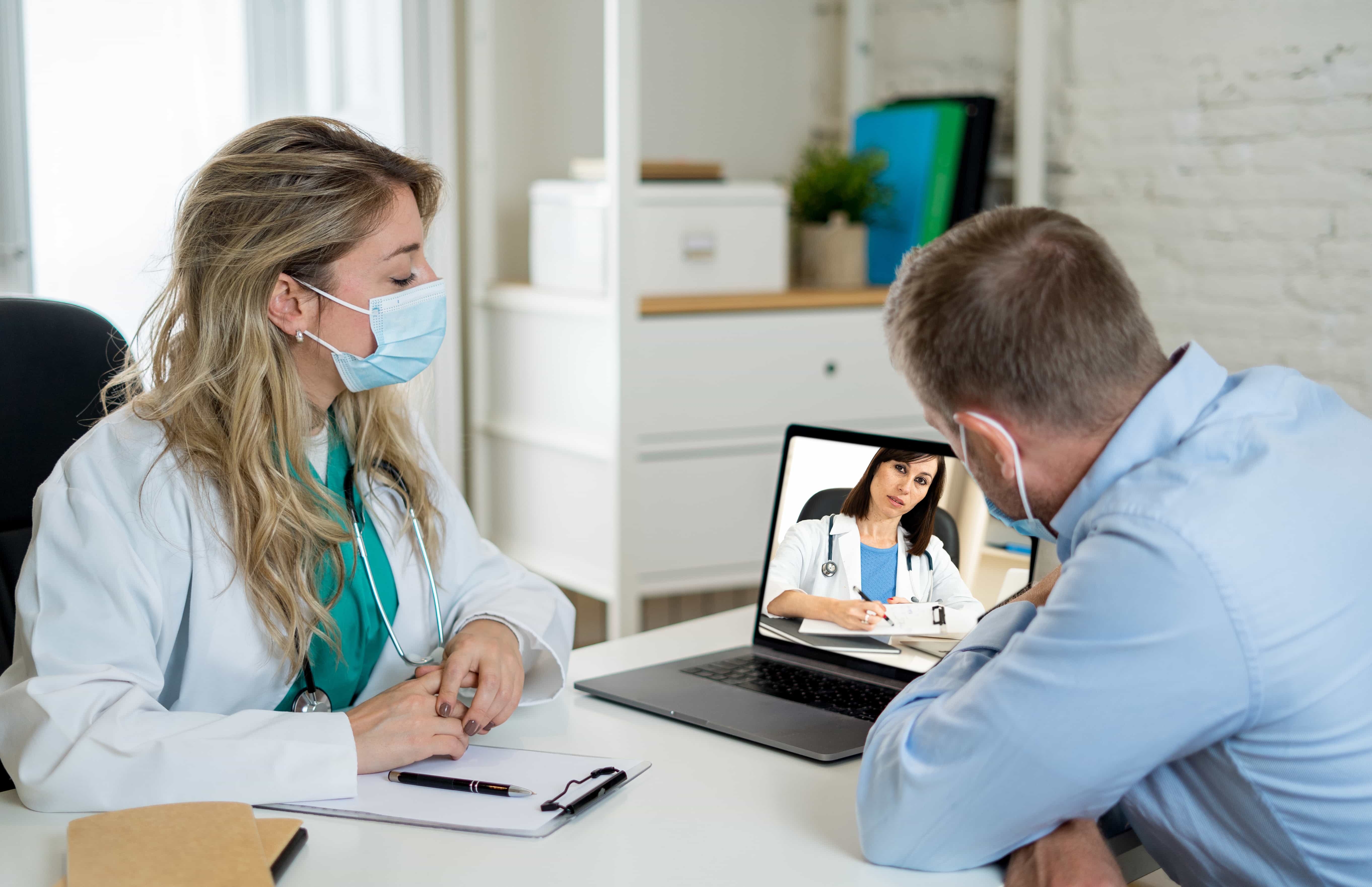
You shouldn't have to navigate snowy roads or spend a precious vacation day in a crowded, confusing waiting room. HOTEL de DOCTOR 24 bridges the gap between rural isolation and quality medical care.
- Consult from Your Resort: Connect with a doctor via your smartphone without leaving the comfort of your hotel bed or cabin.
- Multilingual Support: Explain your symptoms easily and accurately, as the service provides comprehensive multilingual support to eliminate language barriers.
- Seamless Prescriptions and Documentation: If necessary, the doctor can issue a prescription for you to pick up locally. Additionally, a medical statement is sent via email, and formal Medical Certificate Issuance is available for an additional ¥5,000 JPY if required by your insurance.
Frequently Asked Questions
Q. What should I do if I get sick in Niseko or Hakone without a rental car?
A. Instead of trying to arrange expensive transport to a distant hospital, you can use an online telemedicine service to consult a doctor directly from your accommodation.
Q. Can I easily find English-speaking doctors in Japanese resort towns?
A. It can be quite challenging. While major cities have international clinics, rural resort areas often lack multilingual medical facilities, making online doctors with multilingual support a highly practical alternative.
Q. How can I get a medical certificate for my travel insurance if I use an online doctor?
A. After your online consultation, a medical statement will be sent to you via email. If you need a formal document for insurance purposes, Medical Certificate Issuance is available for an additional ¥5,000 JPY.
Are you stuck in your resort room feeling unwell? Get professional help without the travel hassle.
Visit HOTEL de DOCTOR 24 at https://www.hoteldedoctor24.com.
Prioritize your health, rest comfortably, and get back to enjoying Japan's beautiful resorts!
For Further Information & Official Guidance
- CDC: What to Do When Sick Abroad - Visit Site
- NIH (PMC): Research regarding travel-related illness and management - Visit Site
Disclaimer: This article provides general medical information. If you experience severe symptoms, please call 119 for an ambulance immediately. *Please note that our services and pricing are subject to change without prior notice. For the most accurate and up-to-date information, please refer to our website and Terms of Service.