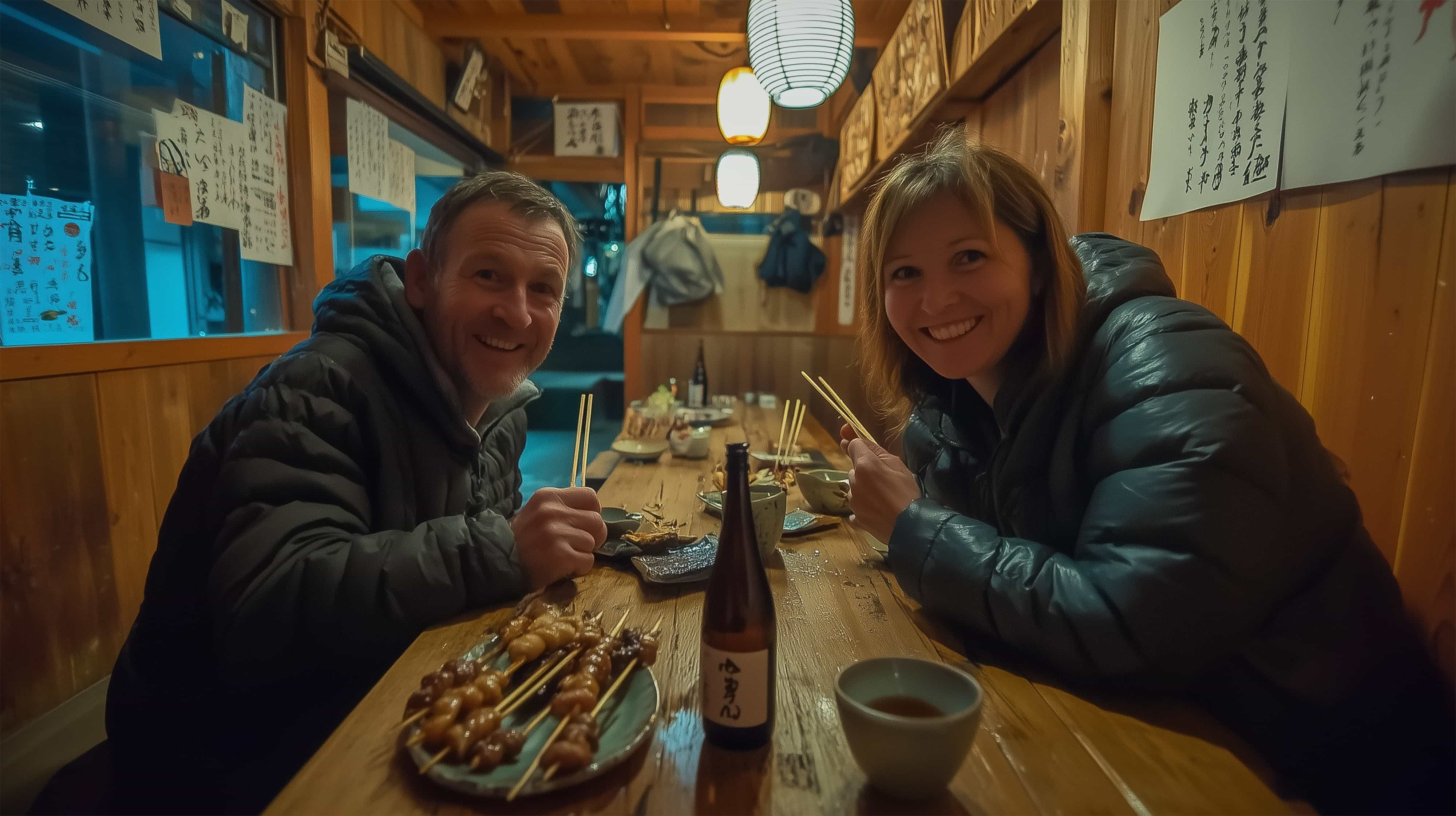
Seeing a Doctor on Your Smartphone? Debunking Doubts and Understanding Online Medical Care in Japan
Conclusion: If you feel unwell while traveling in Japan, unfamiliarity with telemedicine should not deter you from seeking prompt medical advice from your accommodation.
Reason & Evidence: Although roughly 70% of travelers have never used online consultations and worry about remote accuracy, health authorities validate telemedicine for non-emergency conditions. HOTEL de DOCTOR 24 connects you to licensed Japanese physicians with multilingual support, facilitating an appropriate medical evaluation and prescription delivery without stepping outside your hotel room.

A journey through Japan offers extraordinary experiences, from tasting exquisite sushi and steaming bowls of regional ramen to wandering through historic shrines and vibrant city centers. However, long travel days, changes in weather, and walking thousands of steps every day can gradually wear down your body. Sudden travel fatigue, mild throat irritation, stomach upset, or an unexpected skin rash can quickly disrupt your itinerary.
When searching for healthcare options in Japan, you might come across telemedicine services. For many international visitors, this concept brings natural skepticism: "Can a doctor really evaluate my condition through a phone screen?" or "Is this legitimate?" If you feel hesitant, you are far from alone. Statistics indicate that approximately 70% of people have never experienced an online medical consultation and share these exact same concerns.
The Mechanics of Virtual Consultations: What Clinical Evidence Shows
The primary concern for first-time telemedicine patients is whether a physician can perform an accurate evaluation without physical touch. While conditions requiring emergency intervention, blood tests, or diagnostic imaging obviously require in-person hospital visits, clinical evidence demonstrates that a significant portion of common outpatient care can be handled remotely.
According to clinical resources published by the National Institutes of Health (NIH) on telehealth systems, licensed healthcare providers regularly assess non-emergency symptoms, review medical histories, and outline treatment plans through secure audiovisual channels. In routine outpatient care, detailed medical history taking and systematic visual inspection form the foundation for evaluating everyday health complaints, such as mild respiratory discomfort, stomach distress, localized dermatological flare-ups, and eye irritation.
🩺 Expert Insight: The Clinical Role of Telehealth
Surveillance data published by the Centers for Disease Control and Prevention (CDC) demonstrates that the widespread adoption of telehealth has maintained strong clinical safety and high patient satisfaction for routine acute care. Through high-definition video, a physician can observe clinical markers such as respiratory rate, inspect skin lesions or swollen tonsils, and evaluate hydration. Furthermore, remote evaluations eliminate the physical strain of traveling across town and protect fatigued travelers from secondary infections often found in crowded waiting rooms.
Self-Care and Managing Mild Discomfort in Japan
If your symptoms are mild and you want to rest, Japan's convenience infrastructure offers helpful support:
- Hydration and Nutrition: Japanese convenience stores (such as 7-Eleven, FamilyMart, and Lawson) provide electrolyte drinks like Pocari Sweat and Aquarius, as well as easy-to-digest meals like warm rice porridge (okayu).
- Drugstore Options: Japanese pharmacies (Yakkyoku) carry mild anti-inflammatory medications, cooling sheets, and digestive aids. These over-the-counter options are formulated for temporary symptom relief rather than a definitive cure.
Because packaging is predominantly in Japanese and dosage standards may differ from your home country, please consult with a pharmacist or a registered seller at the store before purchasing.
The Traveler's Dilemma: Navigating Local Clinics in Japan
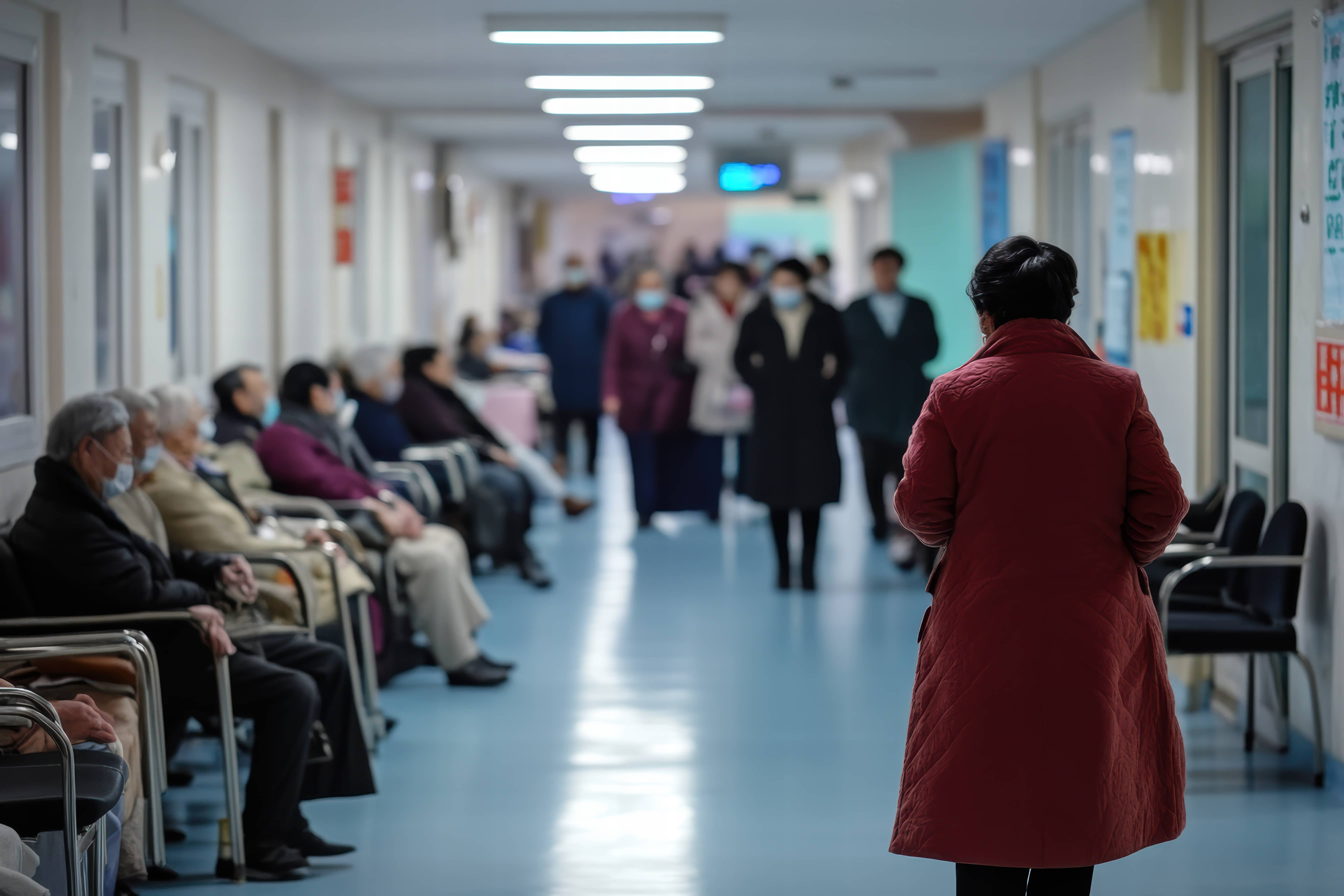
When rest and over-the-counter products fail to provide adequate symptom relief, travelers often consider visiting a walk-in clinic. However, international tourists frequently face significant hurdles:
- The Language Barrier: Communicating nuanced symptoms, current medications, or allergies in Japanese can lead to misunderstandings and frustration.
- Strict Prescription Regulations: In Japan, medications such as antibiotics, specific migraine treatments, and targeted gastrointestinal drugs cannot be purchased over-the-counter and strictly require a doctor's prescription.
- Lengthy Wait Times: Visiting a neighborhood outpatient clinic often means navigating transit while sick, filling out complex intake forms, and waiting several hours in a clinic reception area.
- Hesitation Toward the Unfamiliar: Feeling unsure about whether online care is reputable can leave travelers stranded between difficult clinic queues and confusing drugstore aisles.
Comparing Your Healthcare Options in Japan
Evaluating how common care options compare helps clarify the most sensible path for non-emergency travel issues:
| Care Pathway | Clinical Scope & Efficacy | Convenience & Language | Drawbacks for Travelers |
|---|---|---|---|
| Drugstore OTC Medications | Appropriate for mild symptom relief. Cannot provide antibiotics or prescription-strength treatments. | Self-service; packaging is mostly Japanese. Pharmacist availability varies by store hours. | Risk of selecting inappropriate formulations; ineffective for conditions requiring prescription therapies. |
| Local Walk-In Clinic (Naika) | Comprehensive in-person evaluation with diagnostic equipment and direct prescription issuance. | Intake forms in Japanese; English-speaking staff is rarely guaranteed outside major international hubs. | Prolonged waiting times; requires traveling through transit while unwell; disrupts travel schedule. |
| HOTEL de DOCTOR 24 (Online) | High; direct video consultation with a licensed Japanese physician capable of issuing official prescriptions. | High convenience; consult comfortably from your hotel room with comprehensive multilingual support. | Limited to non-emergency conditions; cannot perform physical examinations (such as palpation or diagnostic imaging), and in-person referral is required for severe symptoms. |
Peace of Mind in Your Hotel Room: HOTEL de DOCTOR 24
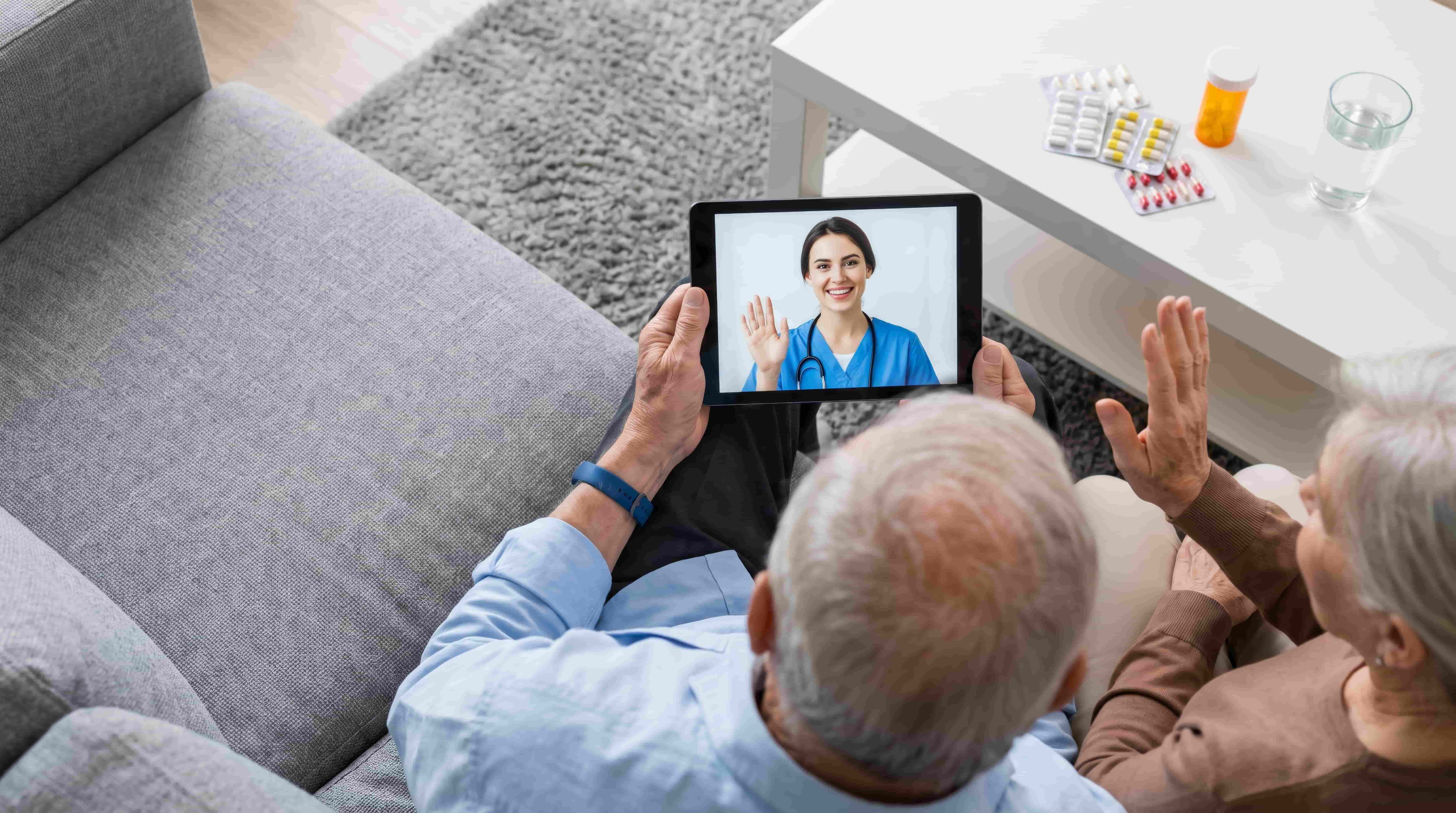
Taking part in an online medical consultation for the first time does not have to be stressful. HOTEL de DOCTOR 24 provides a structured and reassuring healthcare bridge for international visitors staying in Japan.
- Consult from Your Hotel Room: Connect with a licensed Japanese doctor through your smartphone, tablet, or computer. You can rest comfortably in bed without having to search for an open clinic.
- Comprehensive Multilingual Support: You do not need to worry about speaking Japanese. The service provides support across multiple languages beyond just English, which helps alleviate concerns about conveying symptoms across a language barrier.
- Convenient Prescription Coordination: If the physician decides that prescription medication is clinically appropriate, the prescription is coordinated directly with an accessible local pharmacy near your accommodation for pickup.
- Straightforward Insurance Documentation: An official medical statement is sent via email following your consultation. In addition, if required for your travel insurance claim, a Medical Certificate Issuance is available for an additional fee of ¥5,000 JPY.
Frequently Asked Questions
Q. How can a doctor evaluate my symptoms through a smartphone screen?
A. According to clinical guidelines from the NIH, approximately 70% to 80% of routine outpatient evaluations rely heavily on a detailed medical history and targeted visual inspection. Through video consultation, a licensed physician can inspect visible signs such as throat redness or skin rashes, assess your general condition, and determine whether prescription medication or in-person care is appropriate.
Q. I have never used telemedicine before. Is online care legitimate and regulated in Japan?
A. Yes. Telemedicine in Japan operates under strict guidelines established by the Ministry of Health, Labour and Welfare. Consultations are conducted by fully licensed physicians who adhere to standard medical regulations and ethics.
Q. Can an online doctor provide prescriptions and documents for my travel insurance?
A. Yes. If clinically indicated, the physician can send an official prescription directly to a convenient local pharmacy near your accommodation. Additionally, an official medical statement is sent via email following your consultation, and a Medical Certificate Issuance is available for an additional fee of ¥5,000 JPY to support your travel insurance claim.
Unsure about seeing a doctor online while visiting Japan? Experience safe, professional medical guidance directly from your room.
Visit HOTEL de DOCTOR 24 at https://www.hoteldedoctor24.com for an immediate online medical consultation.
Do not let health concerns derail your journey. Receive the medical support you need and get back to enjoying everything Japan has to offer!
For Further Information & Official Guidance
- CDC: Trends in the Use of Telehealth During the Emergence of the COVID-19 Pandemic - View Report
- NIH (MedlinePlus): Telehealth Overview and Applications - Visit Site
Disclaimer: This article provides general medical information. If you experience severe symptoms, chest pain, difficulty breathing, or other medical emergencies, please call 119 for an ambulance immediately.
※ Please note that our services and pricing are subject to change without prior notice. For the most accurate and up-to-date information, please refer to our website and Terms of Service.