Severe Stomach Pain After Sushi or Sashimi in Japan? Guide to Acute Gastroenteritis
Conclusion: If you experience severe stomach pain and watery diarrhea after eating raw seafood in Japan, prioritize hydration and consult a multilingual online doctor to seek appropriate medical care before dehydration sets in.
Reason & Evidence: Food risks are a significant factor for travelers, and consuming raw fish can sometimes lead to gastrointestinal infections. While over-the-counter medications offer mild symptom relief, treating a potential bacterial infection often requires a doctor's evaluation and prescription medications. HOTEL de DOCTOR 24 provides quick, multilingual telemedicine, allowing you to receive a professional diagnosis without leaving your hotel bathroom.

For many travelers, enjoying authentic sushi and sashimi is a long-awaited highlight of visiting Japan. The culinary standards are exceptionally high, and the seafood is world-renowned. However, any time you consume raw or undercooked foods, there is an inherent risk involved. The physical toll of international travel, jet lag, and changes to your usual diet may temporarily lower your immune defenses, making your digestive system more vulnerable.
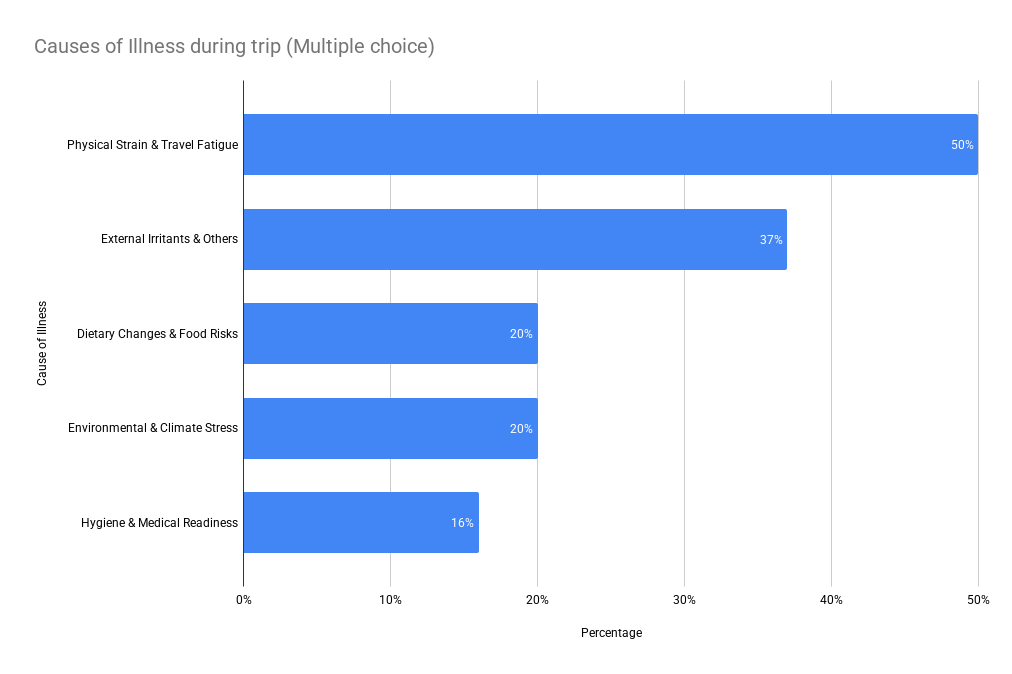
*Data based on our in-house research regarding common travel-related illnesses.
As indicated by our in-house research shown above, dietary changes and food risks account for 20% of the health issues experienced by travelers. Experiencing severe stomach pain shortly after a meal can be concerning. If you find yourself struggling with sudden, intense abdominal cramps and frequent bathroom visits, it is possible you are experiencing acute gastroenteritis—commonly referred to in travel medicine as traveler's diarrhea.
Understanding the Causes and Symptoms
According to guidelines from the Centers for Disease Control and Prevention (CDC) and the National Institutes of Health (NIH), consuming raw seafood can occasionally expose the digestive tract to naturally occurring marine bacteria or viruses.
Symptoms may appear rapidly and generally include:
- Sudden, severe stomach cramps and bloating.
- Frequent, watery diarrhea.
- Nausea, vomiting, and a general feeling of exhaustion.
- In some instances, a mild fever.
🩺 Medical Insight: The Importance of Hydration and Proper Evaluation
While many cases of acute gastroenteritis may gradually improve on their own, the primary medical concern is dehydration. NIH guidelines note that rapid fluid loss from watery diarrhea and vomiting can lead to electrolyte imbalances. Furthermore, over-the-counter (OTC) antidiarrheal medications typically provide only symptom relief rather than addressing the root cause. In cases of a bacterial infection, a proper medical evaluation is often recommended to determine if targeted prescription antibiotics or mild anti-inflammatory medications may be required to assist recovery.

Immediate Self-Care in Japan
If you begin experiencing these symptoms, managing your fluid loss should be your immediate priority. Japan’s convenience stores and drugstores (Yakkyoku) can help you handle the initial stages of discomfort:
- Hydration is Key: Look for Oral Rehydration Solutions (ORS) such as OS-1, which are designed to replenish lost electrolytes effectively. Sports drinks like Pocari Sweat or Aquarius are also widely available.
- Bland Diet: When you feel ready to eat, stick to easily digestible foods available at convenience stores, such as plain rice balls (shio-musubi) or udon noodles.
- OTC Medications: Japanese drugstores sell mild gastrointestinal medicines that may offer symptom relief. Please consult with a pharmacist or a registered seller at the store before purchasing.
The Tourist's Challenge: Getting Proper Medical Care
When hydration and rest are not enough, foreign tourists often face significant hurdles when trying to obtain effective medical treatment in Japan:
- Language Barriers: Explaining the nuances of your digestive symptoms to clinic staff can be highly stressful without professional interpretation in your native language.
- Restricted Access to Medications: Stronger medications, including antibiotics that may be necessary to treat a bacterial infection, cannot be purchased over-the-counter in Japan. They strictly require a doctor's prescription.
- The Difficulty of Waiting: When experiencing severe diarrhea, traveling to a local clinic, sitting in a waiting room, and navigating public transport can be physically exhausting.
| Treatment Approach | Efficacy & Scope | Drawbacks / Challenges for Tourists |
|---|---|---|
| Japanese OTC Medications | May provide mild symptom relief. | Cannot treat bacterial infections; potential language barrier at the pharmacy. |
| Local Medical Clinic | Thorough examination and access to prescriptions. | Long wait times, requires traveling while ill, limited multilingual support. |
| HOTEL de DOCTOR 24 (Online) | Professional diagnosis and direct prescription access. | None (Consult comfortably from your hotel room). |
A Seamless Solution: HOTEL de DOCTOR 24

You do not have to let unexpected stomach troubles ruin your itinerary. HOTEL de DOCTOR 24 offers a reliable, stress-free medical service designed specifically for international visitors.
- Consult from Your Room: Speak with a licensed doctor via your smartphone, allowing you to stay safely near your hotel bathroom.
- Comprehensive Multilingual Support: Accurately explain your symptoms through professional medical interpreters who support multiple languages, ensuring clear communication regardless of your native tongue.
- Direct Prescriptions: If deemed medically necessary, the doctor can prescribe the appropriate medications (such as antibiotics) and guide you to a nearby pharmacy for a smooth pickup.
Frequently Asked Questions
Q. Can I buy antibiotics for a stomach infection at a Japanese drugstore?
A. No. In Japan, antibiotics require a doctor's prescription and cannot be purchased over-the-counter. Drugstores generally offer medications for symptom relief rather than treating a bacterial infection.
Q. What should I consume to prevent dehydration from diarrhea in Japan?
A. It is often recommended to drink an Oral Rehydration Solution (ORS) like OS-1, or sports drinks such as Pocari Sweat or Aquarius, which can easily be found at local convenience stores.
Q. How can an online doctor help with acute gastroenteritis?
A. An online doctor can evaluate your symptoms via smartphone, provide a diagnosis with multilingual support, and send a prescription for appropriate medications to a nearby pharmacy, allowing you to rest near your hotel bathroom.
Are you experiencing severe stomach pain and need multilingual medical support?
Visit HOTEL de DOCTOR 24 at https://www.hoteldedoctor24.com.
Prioritize your hydration, seek the right medical advice, and recover comfortably so you can safely enjoy the rest of your journey in Japan!
For Further Information & Official Guidance
- CDC: Travelers' Diarrhea Guidelines - https://www.cdc.gov/yellow-book/hcp/preparing-international-travelers/travelers-diarrhea.html
- NIH: Gastroenteritis Overview and Management - https://www.ncbi.nlm.nih.gov/books/NBK518995/
Disclaimer: This article provides general medical information. If you experience severe symptoms such as bloody stools, a persistently high fever, an inability to keep liquids down for over 24 hours, or signs of severe dehydration (such as extreme dizziness or confusion), please call 119 for an ambulance immediately.