Scorching Heat Outside, Freezing Cold Inside: Managing "Air Conditioning Sickness" in Japan
Conclusion: If you experience sudden feverish sensations and fatigue in Japan, the extreme temperature difference between the summer heat and indoor air conditioning may be the cause. An online doctor can provide prompt, multilingual support.
Reason & Evidence: Rapid hot-to-cold transitions may temporarily disrupt your autonomic nervous system. Since navigating Japanese pharmacies might be challenging due to language barriers, HOTEL de DOCTOR 24 offers telemedicine services in multiple languages, bringing professional medical advice directly to your hotel room.
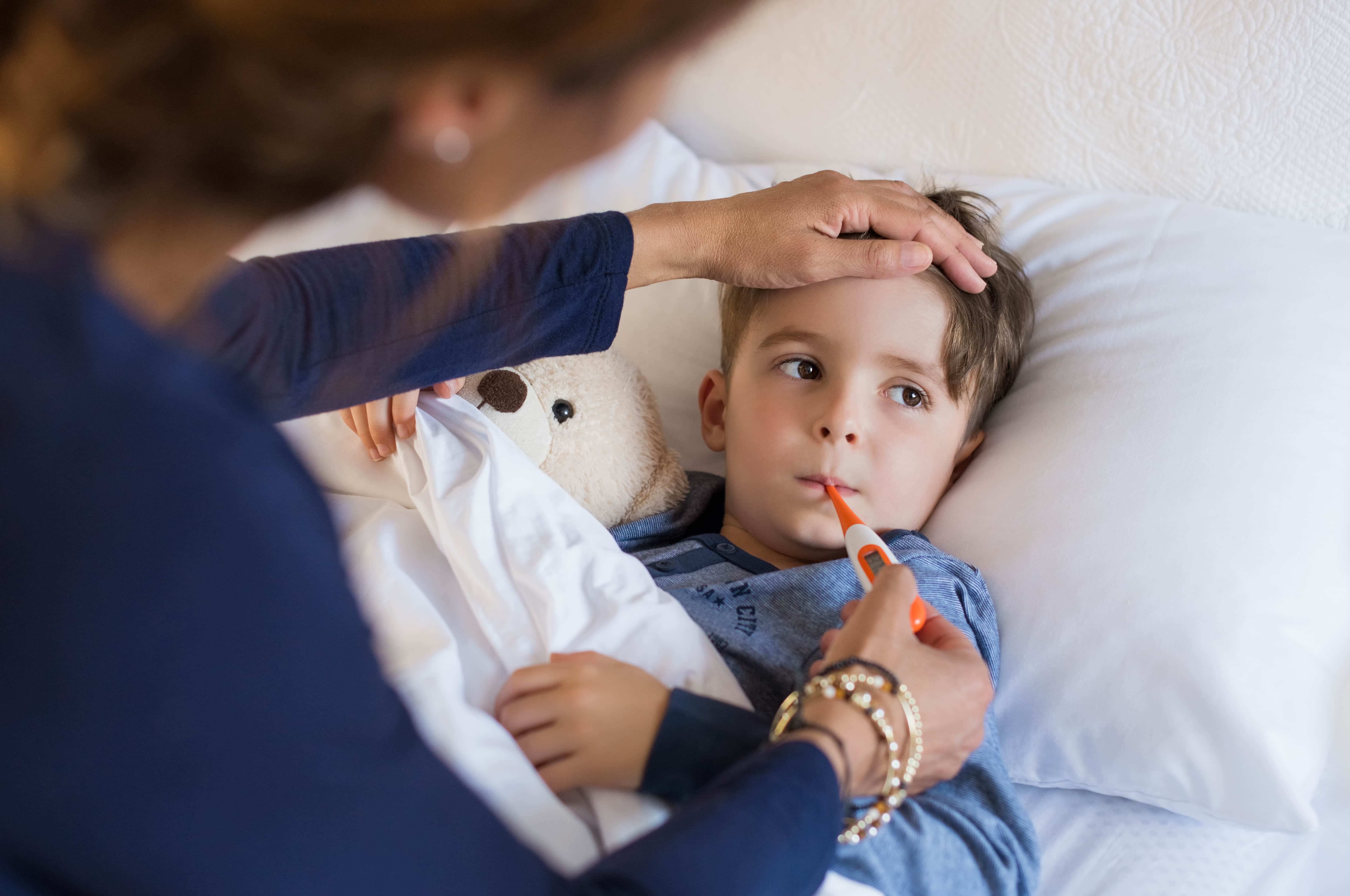
If you find yourself feeling a little feverish or unusually sluggish after a long day of sightseeing, you might want to consider reaching out to HOTEL de DOCTOR 24 for a quick, multilingual online consultation before your symptoms disrupt your travel plans.
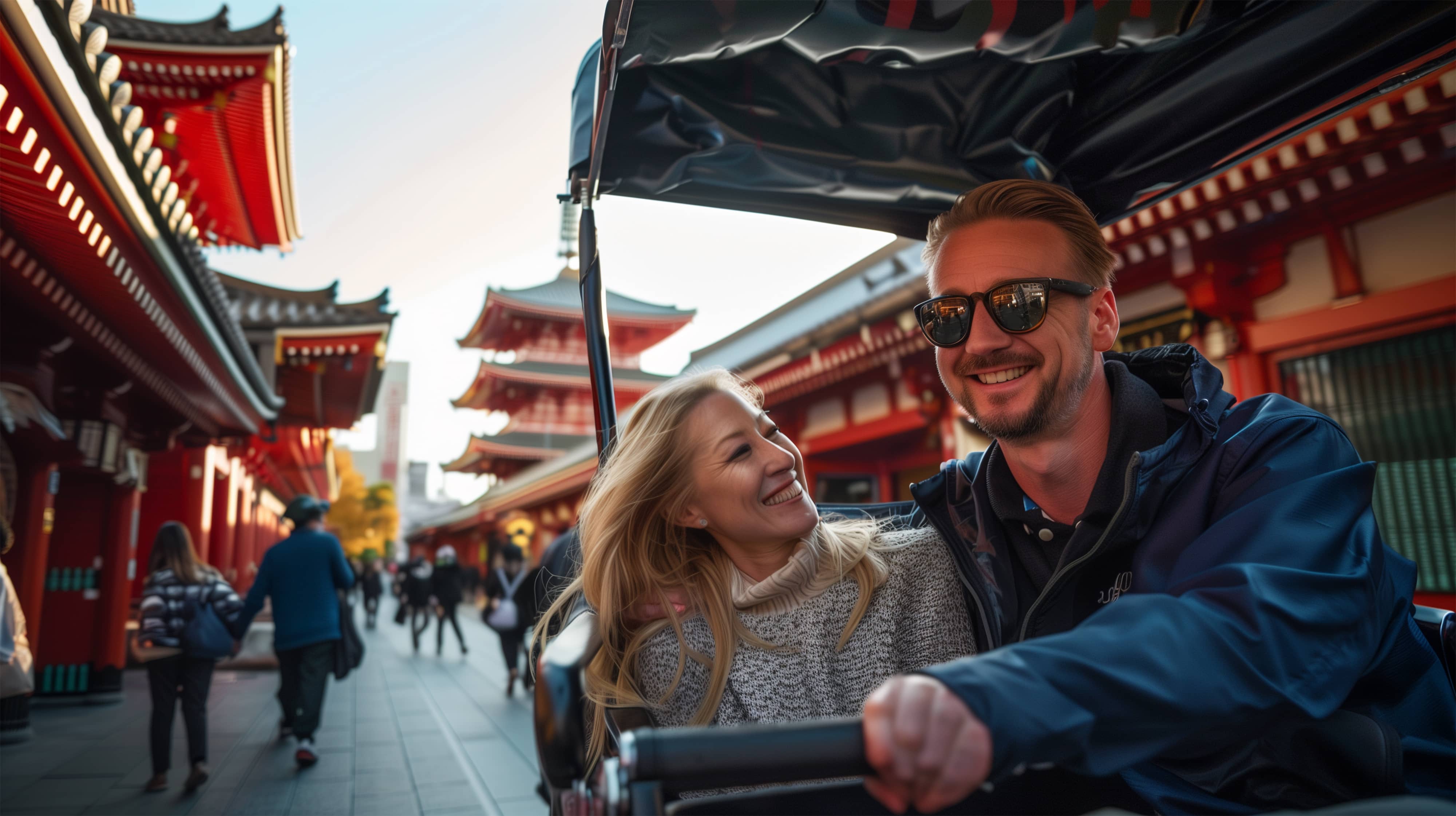
Summer in Japan offers a truly remarkable experience, filled with vibrant traditional festivals, exquisite seasonal cuisine, and lively sightseeing. However, the Japanese summer is also known for its intense heat and high humidity. To provide an oasis from the sweltering outdoors, public transportation, commercial facilities, and hotels typically operate their air conditioning systems at very cool temperatures. While this provides immediate comfort, the extreme temperature difference between the scorching heat outside and the freezing cold inside may occasionally take a toll on a traveler's body.
Developing a low-grade feverish sensation, experiencing lethargy, or feeling inexplicably fatigued after a day of exploring might be signs of what is commonly referred to in Japan as "Air Conditioning Sickness" (Reibo-byo). Understanding how this temperature difference affects your body is often the first step toward managing it effectively.
The Physiology of Temperature Differences
Your body works diligently to regulate its internal temperature through the autonomic nervous system, which adjusts blood flow and perspiration. According to medical resources from the National Institutes of Health (NIH), continuous and sudden exposure to dramatic temperature differences may place a temporary burden on this system.
- Autonomic Imbalance: Repeatedly moving between hot outdoors and cool indoors may confuse the nerve pathways responsible for temperature regulation.
- Feverish Sensations: This physiological stress can sometimes lead to a state where the body feels feverish or physically drained, even in the absence of a viral infection.
- Poor Circulation: Cold air naturally constricts blood vessels, which may contribute to muscle stiffness, tension headaches, and general lethargy.
🩺 Medical Insight: Autonomic Neuropathy and Fever Physiology
The autonomic nervous system generally requires a gradual adjustment period to adapt to temperature changes. According to the NIH, when the environmental temperature difference is drastic, the sympathetic and parasympathetic nerves may temporarily become desynchronized. This mild dysautonomia can mimic the symptoms of a physical illness. While a true clinical fever involves a regulated rise in core body temperature—often linked to an immune response—the "feverish" feeling of air conditioning sickness is typically considered a physiological stress response to sudden vascular constriction and systemic fatigue. Recognizing this distinction is generally helpful for appropriate symptom management.
Practical Self-Care for Travelers in Japan
If you start feeling the effects of temperature differences, there are several gentle steps you can take using local amenities:
- Temperature Control: Carrying a light cardigan or scarf to wear on trains and in malls is highly recommended. Try to ensure that cold air does not blow directly onto your skin in your hotel room.
- Hydration and Core Warmth: Drink room-temperature or warm fluids. Japanese convenience stores sell a wonderful variety of warm teas year-round. Soaking in a warm bath in your hotel room may also gently encourage blood vessels to dilate and support circulation.
- Over-The-Counter (OTC) Support: You might consider visiting a local Japanese drugstore (Yakkyoku) for mild medications to help manage headaches or fatigue. These OTC options are generally intended for symptom relief. Please consult with a pharmacist or a registered seller at the store before purchasing to ensure safety and appropriateness.
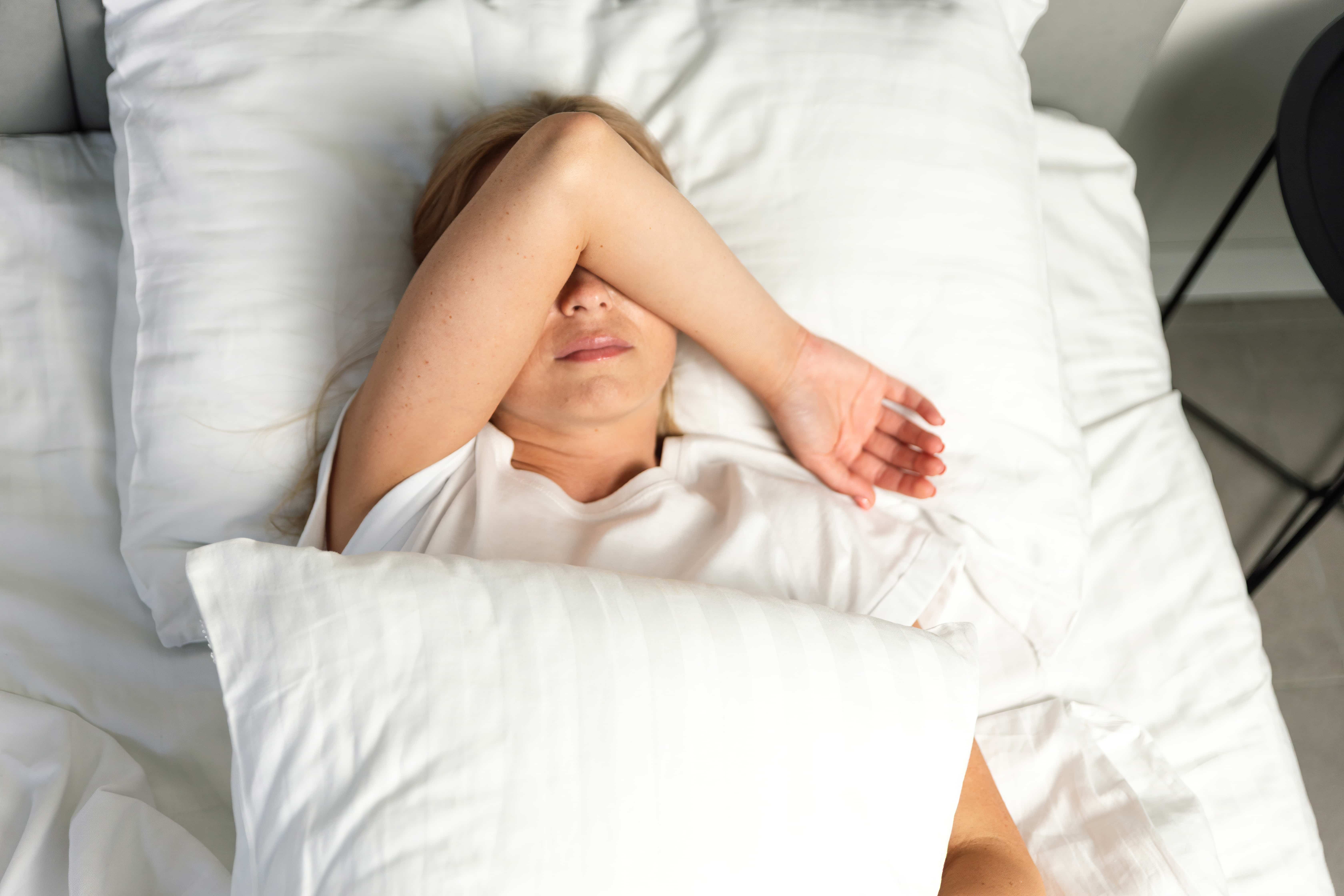
The Challenge of Seeking Care in a Foreign Country
While self-care might soothe mild symptoms, persistent fatigue or a lingering feverish sensation generally warrants professional advice. However, seeking medical care in a foreign country can introduce unnecessary stress into your itinerary:
First, navigating a Japanese drugstore can be complex; the packaging is largely in Japanese, making it difficult to understand ingredients and dosages without assistance. Second, visiting a local clinic often means enduring waiting times in a crowded room, which may be exhausting when you are already feeling lethargic. Lastly, comprehensive multilingual support is relatively uncommon in local clinics. It can be challenging to accurately convey nuanced symptoms like "autonomic imbalance" or a "feverish heaviness" unless the facility supports multiple languages.
| Treatment Approach | General Benefits | Considerations for Tourists |
|---|---|---|
| Drugstore OTC Medications | Easily accessible for mild symptom relief. | Language barriers; potential risk of selecting inappropriate medication without professional consultation. |
| Local Japanese Clinic | Professional medical evaluation. | Potential for long wait times; frequent lack of comprehensive multilingual support. |
| HOTEL de DOCTOR 24 (Online) | Professional evaluation, comprehensive multilingual support (multiple languages), consult directly from your room. | None. |
Find Balance Safely with HOTEL de DOCTOR 24
Your vacation time is precious, and your well-being is paramount. If a feverish feeling or fatigue is keeping you confined to your bed, you do not need to struggle through the local healthcare system alone. HOTEL de DOCTOR 24 provides a streamlined medical solution tailored specifically for international travelers.
- Comprehensive Multilingual Support: Communicate your symptoms clearly through professional medical interpreters available in multiple languages (including English, Chinese, Korean, and more), ensuring your condition is accurately understood.
- Convenient Online Care: Speak with a licensed doctor via your smartphone. There is no need to navigate transit systems or sit in waiting rooms while feeling unwell.
- Proper Guidance and Prescription: Receive a professional medical assessment. If targeted symptom relief or medication is deemed necessary, the doctor may help coordinate a prescription directly to a local pharmacy. (Please note that in accordance with Japanese medical regulations, psychotropic drugs cannot be prescribed via online consultation.)

Frequently Asked Questions
Q. Why might I feel feverish and fatigued after spending time in Japanese malls and hotels?
A. The extreme temperature difference between the summer heat outside and the powerful air conditioning inside may temporarily disrupt your autonomic nervous system, leading to a condition often called "Air Conditioning Sickness."
Q. Can I easily find medicine for this at a Japanese drugstore?
A. Japanese drugstores offer over-the-counter options for mild symptom relief. However, navigating them can be difficult due to language barriers. Please consult with a pharmacist or a registered seller at the store before purchasing to ensure safety and appropriateness.
Q. How can I get multilingual medical help if my symptoms persist?
A. Local clinics may lack extensive language support, but online services like HOTEL de DOCTOR 24 provide professional consultations in multiple languages, allowing you to seek advice from the comfort of your hotel room.
Is the extreme temperature difference making you feel feverish or unwell? Seek multilingual medical support today.
Visit HOTEL de DOCTOR 24 at https://www.hoteldedoctor24.com.
We hope you regain your balance comfortably and continue creating wonderful, lasting memories during your stay in Japan!
For Further Information & Official Guidance
- National Institutes of Health (NIH) - StatPearls: Physiology, Fever - Visit Site
- National Institutes of Health (NIH) - StatPearls: Autonomic Neuropathy - Visit Site
Disclaimer: This article provides general medical information and is not intended to replace professional medical advice. If you experience severe symptoms, please call 119 for an ambulance immediately.