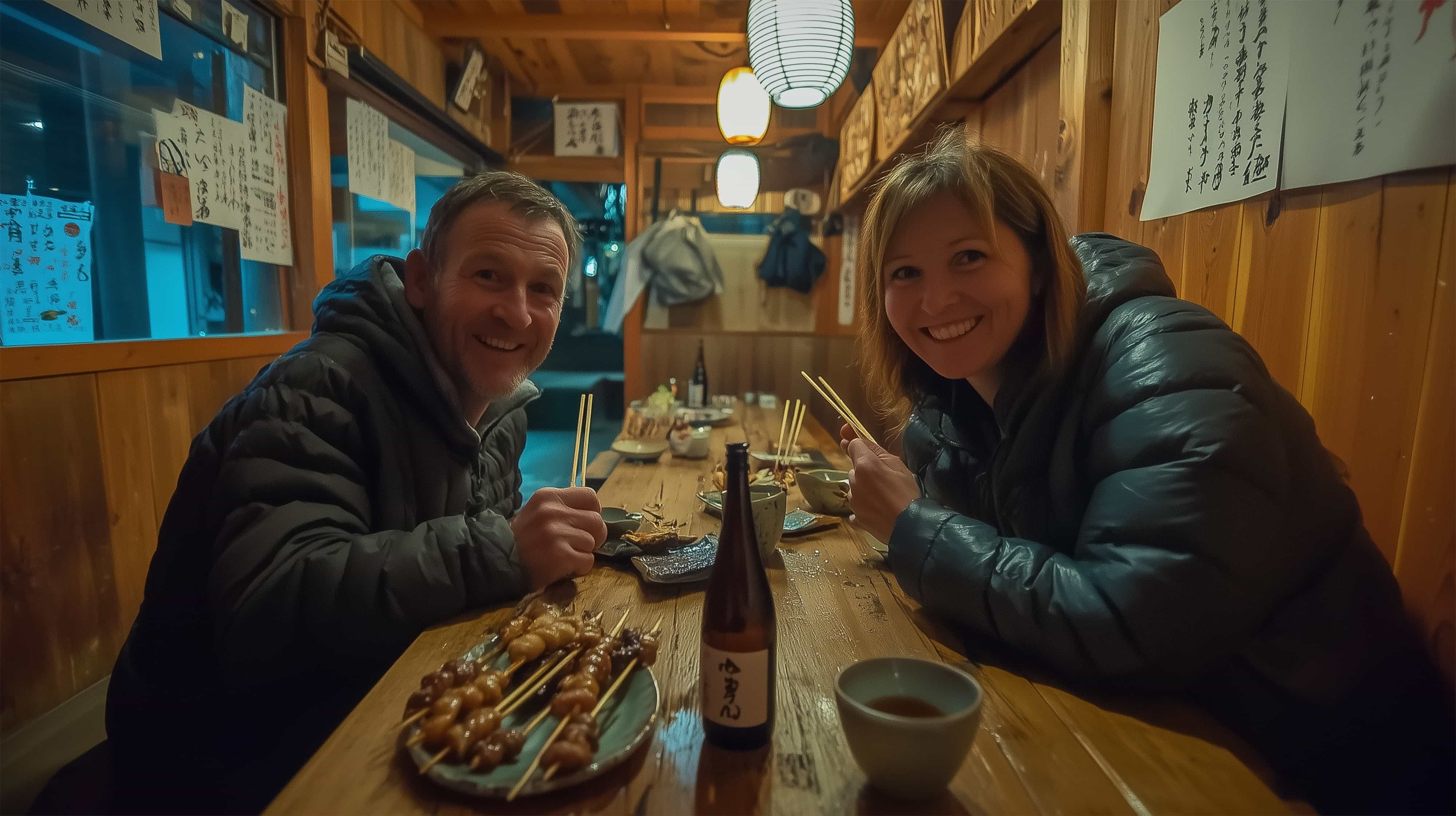
Summer Food Risks: Managing Stomach Cramps, Diarrhea, and Fever After Festival Food in Japan
Conclusion: If you experience stomach cramps, diarrhea, and fever after enjoying summer foods in Japan, you may have contracted a bacterial infection. Managing hydration is crucial, and utilizing an online medical service can provide efficient access to necessary prescription medications.
Reason & Evidence: Japan's hot and humid summer can increase the risk of bacterial food poisoning. While over-the-counter medicines offer symptom relief, they do not treat the underlying bacterial cause. HOTEL de DOCTOR 24 allows you to consult a doctor from your room with multilingual support, ensuring you receive the appropriate prescription without the stress of navigating local clinics.
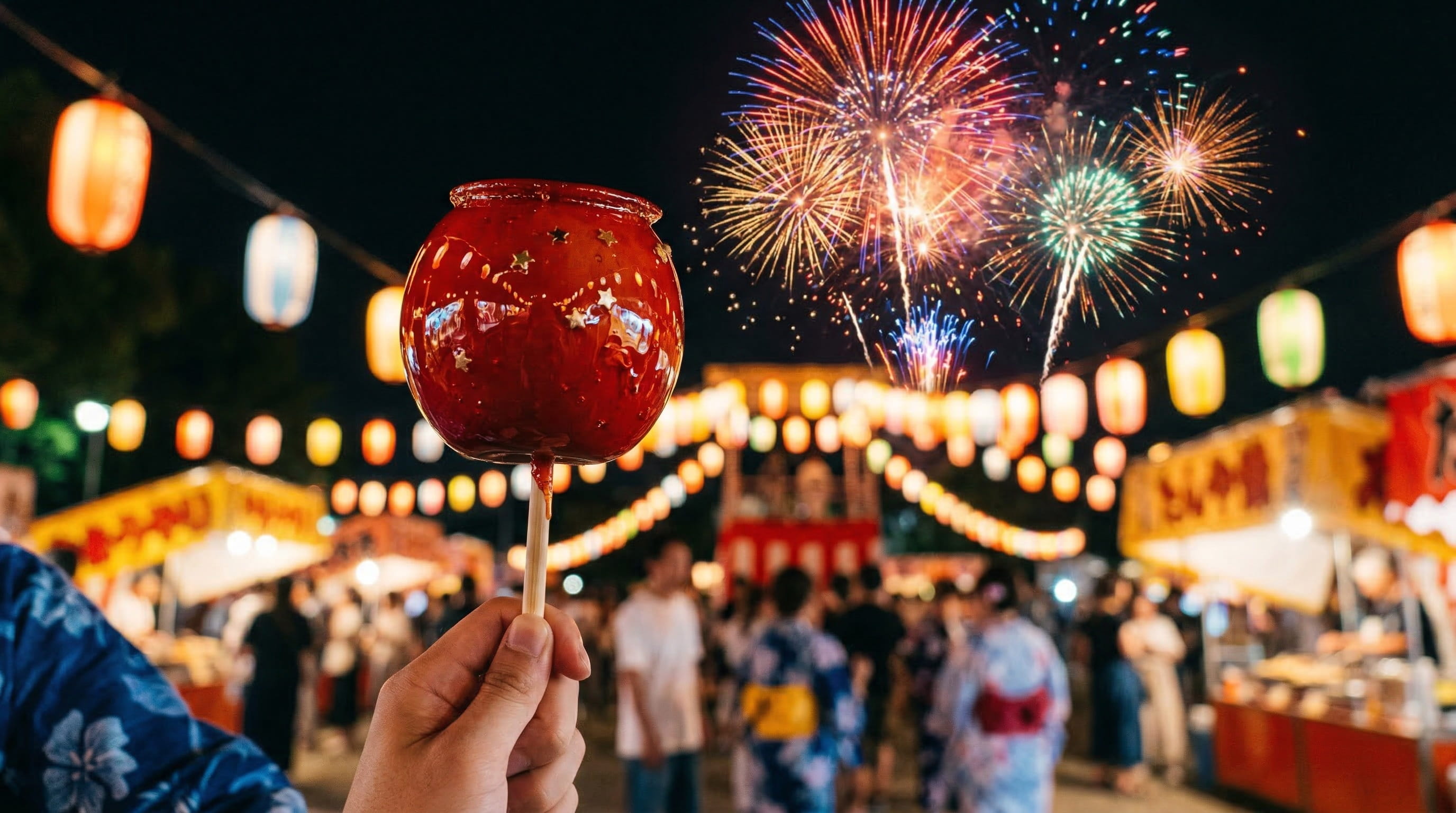
Summer in Japan is a vibrant season, celebrated with spectacular fireworks and traditional festivals (matsuri). Exploring the food stalls and tasting seasonal delicacies like yakitori, seafood, and shaved ice is a highlight for many travelers. However, the unique combination of high heat and intense humidity during the Japanese summer can create an environment where foodborne bacteria thrive.
If you suddenly develop significant abdominal pain, vomiting, or diarrhea after a meal, it can quickly turn a joyful trip into a stressful experience. Understanding how to manage bacterial gastroenteritis while traveling can help you recover safely and comfortably.
Recognizing the Signs of Bacterial Gastroenteritis

According to general guidelines from the Centers for Disease Control and Prevention (CDC) and the National Institutes of Health (NIH), traveler's diarrhea and food poisoning are frequently caused by bacterial pathogens, such as E. coli or Campylobacter.
Symptoms generally have a sudden onset and may include:
- Significant stomachache and abdominal cramping.
- Frequent, watery diarrhea.
- Nausea and episodes of vomiting.
- A mild to moderate fever.
While viral infections typically clear up relatively quickly, bacterial infections may persist longer and can sometimes require medical evaluation, especially if proper hydration becomes a challenge.
Immediate Self-Care and Hydration in Japan
When experiencing gastrointestinal distress, replacing lost fluids is the most critical step. Japan’s convenience stores and drugstores (Yakkyoku) offer excellent options for initial self-care:
- Oral Rehydration: Look for oral rehydration solutions (ORS) like OS-1, or common sports drinks such as Pocari Sweat and Aquarius. These are widely available and help replenish essential electrolytes.
- Dietary Adjustments: Stick to easily digestible, bland foods. Convenience stores often sell plain udon noodles, rice balls (onigiri), and soft jellies.
- Over-The-Counter (OTC) Medications: Japanese pharmacies carry various mild anti-inflammatory medications and anti-diarrheal drugs designed for symptom relief. Please consult with a pharmacist or a registered seller at the store before purchasing. They can guide you to safe and appropriate options based on your specific symptoms.
🩺 Medical Insight: Symptom Relief vs. Root Treatment
It is important to understand that OTC medications available at pharmacies generally provide only symptom relief (such as easing cramps or temporarily slowing down bowel movements). They do not eliminate the bacteria causing the illness. In cases of bacterial gastroenteritis where there is a risk of ongoing dehydration or persistent fever, a doctor may determine that prescription-strength medications, including antibiotics, are medically necessary to address the root infection safely.
The Challenges for Foreign Travelers
If your symptoms persist or worsen, reaching the limit of what hydration and self-care can manage, you may need a doctor’s assessment. However, foreign tourists often face several hurdles:
- Language Barriers: Accurately describing symptoms like vomiting and abdominal pain in a foreign language can be highly stressful.
- Prescription Rules: In Japan, antibiotics are strictly regulated and require a doctor's prescription. You cannot obtain them over the counter.
- Clinic Wait Times: Visiting a local hospital can mean spending hours in a waiting room, which is especially uncomfortable when dealing with severe diarrhea or nausea.
| Treatment Approach | Efficacy and Purpose | Drawbacks / Considerations |
|---|---|---|
| Hydration & OTC Medications | Moderate. Suitable for mild symptom relief and maintaining hydration. | Cannot treat bacterial infections; requires consulting with a pharmacist. |
| Local Clinic or Hospital | High. Accurate diagnosis and access to antibiotics. | Potential language barriers, long wait times, and travel required while unwell. |
| HOTEL de DOCTOR 24 (Online) | High. Fast medical assessment and prescription sent to a local pharmacy. | None. Ideal for resting in your room while accessing professional care. |
Access Seamless Care with HOTEL de DOCTOR 24

You do not have to leave the comfort of your hotel room when you are feeling unwell. HOTEL de DOCTOR 24 offers a practical, stress-free telemedicine solution tailored for tourists.
- Consult from Your Room: Speak with a licensed physician via your smartphone, keeping you comfortably close to your own bathroom and bed.
- Multilingual Support: Clear communication is vital for medical care. The service provides robust multilingual support through professional interpreters, ensuring that you can explain your symptoms accurately in your preferred language, not just English.
- Appropriate Prescriptions: If the doctor determines that you have a bacterial infection, they can issue a prescription for antibiotics or targeted anti-nausea medications and guide you to a nearby pharmacy for a quick pickup.
Frequently Asked Questions
Q. Can I buy antibiotics for food poisoning at a Japanese pharmacy?
A. Generally, no. Antibiotics for bacterial infections require a doctor's prescription in Japan and cannot be purchased over-the-counter. You must consult a licensed medical professional.
Q. What should I drink for hydration if I have diarrhea and vomiting in Japan?
A. You can purchase Oral Rehydration Solutions (like OS-1) or sports drinks (such as Pocari Sweat or Aquarius) at most convenience stores and drugstores to help replace lost electrolytes.
Q. Does HOTEL de DOCTOR 24 offer support in languages other than English?
A. Yes. HOTEL de DOCTOR 24 provides extensive multilingual support through professional medical interpreters, ensuring accurate communication regardless of your native language.
Are stomach cramps and fever disrupting your travel plans?
Visit HOTEL de DOCTOR 24 at https://www.hoteldedoctor24.com for an immediate online medical consultation.
Prioritize your hydration, rest well, and get back to safely enjoying the beautiful sights and tastes of Japan!
For Further Information & Official Guidance
- Centers for Disease Control and Prevention (CDC): Travelers' Diarrhea Overview - Visit CDC Site
- National Institutes of Health (NIH): Bacterial Diarrhea Clinical Guidelines - Visit NIH Site
Disclaimer: This article provides general medical information. If you experience severe symptoms such as a prolonged inability to keep fluids down, a high and persistent fever, or signs of severe dehydration, please call 119 for an ambulance immediately.
* Please note that our services and pricing are subject to change without prior notice. For the most accurate and up-to-date information, please refer to our website and Terms of Service.