Travel Stress and Severe Menstrual Cramps: Finding Relief in Japan When OTC Meds Fail
Conclusion: If severe menstrual cramps disrupt your travel plans in Japan and local over-the-counter medications are ineffective, consulting an online doctor is generally the most efficient way to access stronger, prescription-grade symptom relief.
Reason & Evidence: Travel fatigue and stress can potentially exacerbate dysmenorrhea. While Japanese drugstores offer mild anti-inflammatory medications for general symptom relief, strong medical options require a prescription. HOTEL de DOCTOR 24 provides a comprehensive multilingual online telemedicine service, allowing you to consult a physician from your hotel room and obtain the necessary prescription to comfortably continue your vacation.
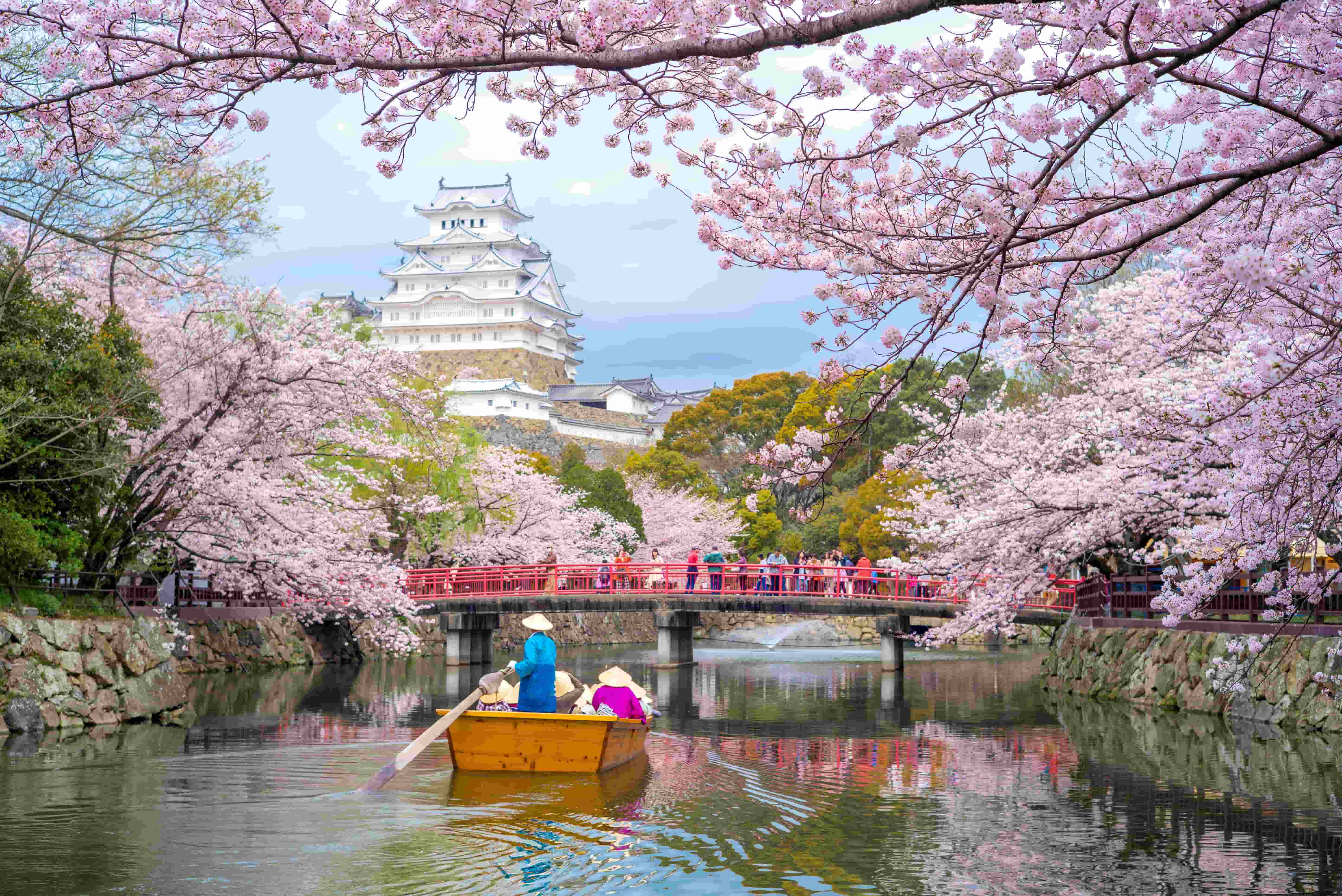
Japan offers an unforgettable experience, from the serene hot springs to the vibrant city lights and world-class culinary scenes. However, navigating a packed itinerary, dealing with long-haul jet lag, and walking tens of thousands of steps a day can be physically exhausting. For many women, this sudden change in environment and accumulated travel stress can disrupt hormonal balances, potentially leading to unpredictable cycles and unusually severe menstrual cramps.
When the pain becomes so intense that you are forced to pause your sightseeing plans and stay curled up in your hotel bed, the frustration can be overwhelming. Let's explore what may be causing this sudden severity and how you can find proper symptom relief in Japan.
Understanding Dysmenorrhea and Its Symptoms
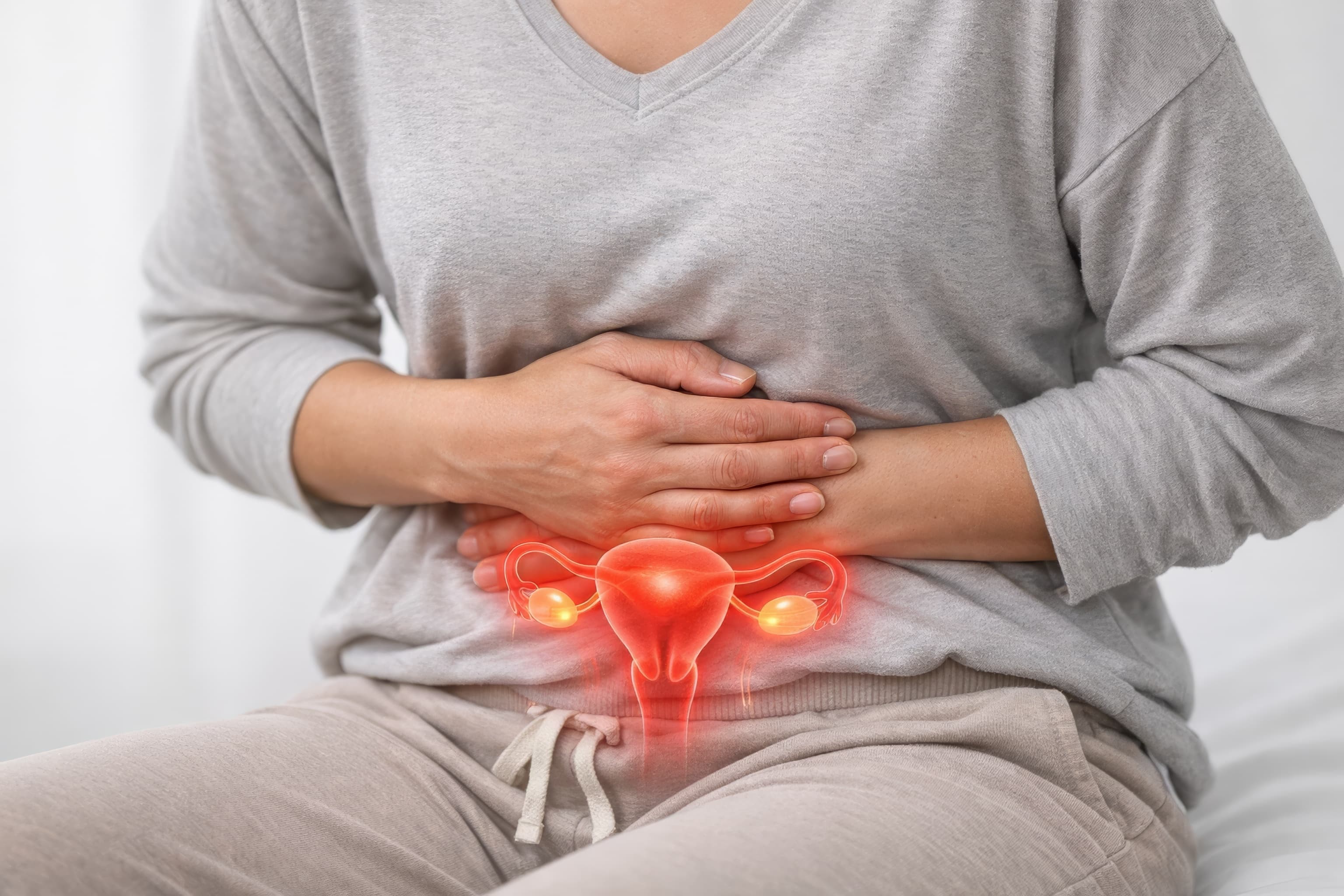
Painful menstruation is medically known as dysmenorrhea. It can generally be classified into primary and secondary dysmenorrhea. Primary dysmenorrhea is recurrent lower abdominal pain that occurs during the menstrual cycle and is not typically associated with other diseases or underlying pathology. In contrast, secondary dysmenorrhea is usually associated with other pathology inside or outside the uterus, such as endometriosis or uterine abnormalities.
A commonly identified cause of primary dysmenorrhea is believed to be the hypersecretion of prostaglandins from the uterine lining. Prostaglandins may cause pain by increasing uterine contractions and uterine pressure. Furthermore, impaired uterine perfusion, ischemia, hypoxia, and metabolites from anaerobic metabolism might also play a role in the cause of pain. Common symptoms may include:
- Pain typically located in the lower abdomen that may radiate to the inner thighs and back.
- Gastrointestinal symptoms such as nausea, bloating, diarrhea, constipation, vomiting, and indigestion.
- Irritability, headache, and low back pain.
🩺 Medical Insight: Why Do Cramps Sometimes Resist Basic Meds?
Because prostaglandins are a primary driver of menstrual pain, pharmacological management strategies often involve Nonsteroidal Anti-inflammatory Drugs (NSAIDs), which may help reduce the production of these substances. However, if the prostaglandin levels are exceptionally high—perhaps exacerbated by physical stress or underlying secondary conditions—mild over-the-counter (OTC) doses may not be sufficient for adequate symptom relief. In such instances, a medical professional can evaluate the situation and may prescribe stronger, prescription-strength NSAIDs or specific medications tailored to your symptoms.
Immediate Self-Care and Japanese Drugstores
If you feel the onset of menstrual pain, there are several self-care steps you can take utilizing local Japanese resources:
- Keep Warm: Applying heat may help relax the contracting uterine muscles. You can visit any convenience store and purchase a Kairo (使い捨てカイロ), an inexpensive disposable heating pad that you can stick to your clothing over your lower abdomen or lower back.
- Hydration and Rest: Take a break from your itinerary, return to your hotel, and drink warm, soothing fluids like decaffeinated tea.
- Over-The-Counter (OTC) Medicines: Japanese drugstores (Yakkyoku) carry mild anti-inflammatory medications intended for symptom relief. Popular NSAID options include EVE (ibuprofen-based) or Loxonin S (loxoprofen). Please consult with a pharmacist or a registered seller at the store before purchasing.
The Tourist's Dilemma: When OTC Relief Isn't Enough
While Japanese OTC medications may be helpful for mild to moderate discomfort, they are formulated with standardized dosages that might not effectively manage severe pain. If you find that the local medication isn't working, you face a significant challenge: stronger pain relief generally requires a doctor's prescription.
Foreign tourists often encounter major pain points when seeking medical help in Japan. Visiting a local gynecology clinic (Fujinka) or general physician (Naika) typically involves navigating complex registration forms, potential waiting hours, and facing a significant language barrier where nuanced symptoms can be difficult to explain.
| Treatment Approach | Medical Efficacy | Drawbacks for Tourists |
|---|---|---|
| Drugstore OTC Painkillers | Low to Moderate. May be helpful for general symptom relief. | May not be strong enough for severe dysmenorrhea. Requires navigating language barriers with store staff. |
| Local Japanese Clinic | High. Can accurately diagnose and prescribe strong medication. | Requires traveling while in pain, potential wait times, and a lack of multilingual support. |
| HOTEL de DOCTOR 24 (Online) | High. Professional evaluation and access to prescriptions. | None. Consult from bed with extensive multilingual assistance. |
Find Comfort and Get Back to Your Trip with HOTEL de DOCTOR 24

You do not have to endure severe pain alone in a foreign country. When traditional methods are insufficient, HOTEL de DOCTOR 24 offers a stress-free, reliable medical lifeline designed specifically for travelers.
- Consult from Your Hotel Bed: Connect with a licensed doctor via your smartphone from the comfort of your room, potentially avoiding crowded waiting areas.
- Comprehensive Multilingual Support: Explain your pain accurately. The service provides extensive multilingual support, ensuring seamless communication in various languages, not just English.
- Access to Prescription Relief: The doctor can evaluate your symptoms and may prescribe the appropriate strength of medication, guiding you to a convenient local pharmacy for pickup.
Frequently Asked Questions
Q. Can I buy strong prescription painkillers for menstrual cramps at a Japanese drugstore?
A. No. While you can find mild OTC painkillers for symptom relief, strong prescription-grade medications generally require a consultation with a licensed doctor.
Q. What should I do if Japanese OTC painkillers like Loxonin don't work for my cramps?
A. If OTC options fail to provide symptom relief, you may need prescription-strength medication. An online medical service can connect you with a doctor for a proper evaluation and prescription without the need to visit a local clinic.
Q. Do I need to speak Japanese to consult a doctor online in Japan?
A. Not if you use a dedicated service for tourists. HOTEL de DOCTOR 24 provides comprehensive multilingual support, ensuring you can explain your symptoms accurately in your preferred language.
Are severe menstrual cramps putting your vacation on hold?
Visit HOTEL de DOCTOR 24 at https://www.hoteldedoctor24.com.
Prioritize your health, find effective relief, and get back to making beautiful memories during your stay in Japan!
For Further Information & Official Guidance
- National Institutes of Health (NIH) - Overview of Dysmenorrhea - View Article
Disclaimer: This article provides general medical information. If you experience severe symptoms, please call 119 for an ambulance immediately.
* Please note that our services and pricing are subject to change without prior notice. For the most accurate and up-to-date information, please refer to our website and Terms of Service.