Ramen, Tempura, and Sushi: A Foodie's Trap? Managing Acute Gastritis from Dietary Changes in Japan
Conclusion: If unfamiliar culinary oils, concentrated broths, and sudden dietary shifts trigger persistent stomach discomfort, heaviness, or nausea during your Japan trip, seek an online medical consultation for targeted prescription relief instead of guessing over-the-counter remedies.
Reason & Evidence: Japanese food culture is world-renowned, yet rich broths and deep-fried dishes can delay gastric emptying and irritate the stomach lining. Drugstores provide mild digestive aids for symptom relief, but packaging in Japanese makes selection risky. HOTEL de DOCTOR 24 offers prompt online consultations with multilingual support, allowing appropriate prescription medications to be arranged if deemed necessary by a physician near your accommodation without losing valuable sightseeing time.

Exploring Japan is widely considered one of the finest culinary adventures in the world. From savory bowls of steaming ramen in Tokyo's alleyways and crispy golden tempura to delicate sushi bars and lively izakayas, food is often the highlight of any Japanese itinerary. Many travelers look forward to sampling new dishes multiple times a day.
However, indulging in unfamiliar seasonings, rich animal fats, and late-night dining while adjusting to a new time zone can place unexpected strain on your digestive system. Waking up in your hotel room with an unsettled stomach, persistent nausea, or a sensation of extreme fullness (i-motare) can quickly put your travel plans on hold. Understanding how dietary changes impact your stomach is key to recovering smoothly and enjoying the rest of your trip.
1. The Allure of Japanese Cuisine (Rich Oils, Dashi, and Seasonings) and the Strain on Your Stomach
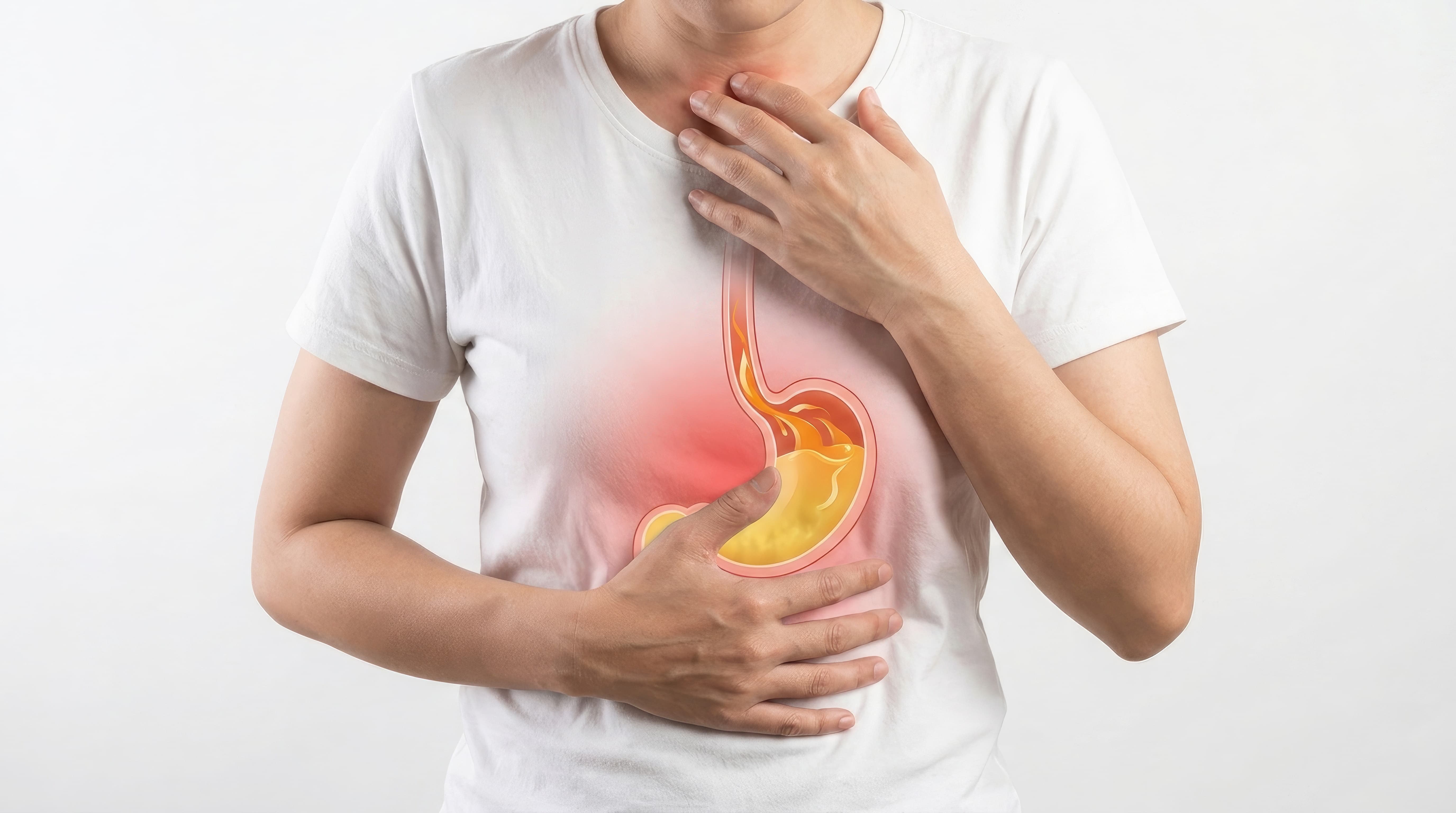
While traditional Japanese cuisine is often perceived as light and health-conscious, modern gourmet travel frequently involves dishes that are surprisingly dense in fats, umami, and sodium. Several culinary factors may challenge an unaccustomed digestive tract:
- Emulsified Animal Fats: Rich ramen broths, especially tonkotsu (pork bone) or thick miso ramen, contain high amounts of liquefied animal collagen and fats. These heavy fats can slow down gastric emptying, keeping food in the stomach longer than usual.
- Deep-Fried Specialties: Popular items like tempura, tonkatsu (breaded pork cutlet), and karaage (fried chicken) introduce high volumes of cooking oils that require substantial digestive effort.
- Concentrated Dashi and Seasonings: Japanese culinary art relies heavily on dashi (seaweed and bonito broth) packed with natural glutamates, along with soy sauce and miso. While delicious, concentrated umami and high sodium levels may stimulate robust secretion of gastric acid.
2. Acute Gastritis and Indigestion: How Sudden Dietary Shifts Trigger Discomfort
According to clinical resources published by the National Institutes of Health (NIH) / National Institute of Diabetes and Digestive and Kidney Diseases (NIDDK), gastritis involves inflammation or irritation of the stomach's protective mucosal lining. When the stomach is subjected to unfamiliar foods, sudden volume increases, alcohol, or travel fatigue, normal mucosal defenses may become compromised.
Common clinical manifestations may include:
- Upper Abdominal Discomfort: Persistent stomach discomfort or burning centered in the upper abdomen, often felt more intensely after eating or while lying down.
- Nausea and Queasiness: A persistent unsettled feeling in the stomach.
- Early Satiety and Bloating: Feeling uncomfortably full after only a few bites of food, accompanied by upper abdominal pressure.
- Indigestion (Dyspepsia): Heartburn, sour belching, and a lingering sense of heaviness.
🩺 Medical Insight: The Pathophysiology of Diet-Induced Gastritis
Clinical data from the NIH (NIDDK) highlight that the stomach relies on a delicate balance between aggressive factors (like gastric acid) and protective barriers. When travelers rapidly alter their diet to include concentrated fats and high-sodium seasonings, the stomach may be prompted to secrete larger volumes of acid while gastric emptying rates drop. Combined with travel stress, circadian disruption, and dehydration, this prolonged acidic exposure can trigger irritation in the gastric mucosa. In acute scenarios, simple lifestyle pacing helps, but pharmacological suppression of acid or motility regulation may be required to assist healing and alleviate painful spasms.
Gentle Self-Care Strategies in Japan
If you begin noticing mild gastric distress, practical measures can help ease the discomfort:
- Hydration with Gentle Fluids: Drink warm water, barley tea (Mugicha, which is caffeine-free), or electrolyte replenishment beverages like Pocari Sweat found at any convenience store. Avoid ice-cold beverages, excessive coffee, and alcohol.
- Stomach-Friendly Japanese Foods: Take advantage of convenience stores (7-Eleven, Lawson, FamilyMart) or casual diners for gentle foods. Look for plain rice porridge (Okayu), warm plain udon noodles, or soft silken tofu, which provide energy without heavily irritating the gastric lining.
3. The Tourist’s Dilemma: Navigating Japanese Drugstores
When dietary adjustments and rest are not sufficient, foreign travelers frequently turn to local Japanese pharmacies (Yakkyoku). However, finding an effective solution presents distinct challenges:
- Language and Ingredient Confusion: Shelves display dozens of gastrointestinal formulas (Icho-yaku), but packaging is printed almost exclusively in Japanese. Products are categorized into herbal bitters, digestive enzymes, antacids, and mucosal protectors. Selecting the wrong type can fail to provide symptom relief.
- Over-the-Counter Limitations: Japanese OTC stomach products are formulated primarily for mild symptom relief. Highly potent, targeted acid reducers and specific gastrointestinal prokinetics cannot be purchased over-the-counter without a formal prescription.
- The Risk of Inappropriate Self-Medication: When purchasing over-the-counter remedies, foreign tourists should exercise caution. Please consult with a pharmacist or a registered seller at the store before purchasing. Remember that OTC products generally provide symptom relief rather than definitive medical treatment.
- Clinic Barriers: Visiting a traditional neighborhood clinic (Naika) while feeling nauseous involves navigating public transit, completing intake paperwork in Japanese, and enduring potential waiting room delays.
| Treatment Approach | Medical Efficacy & Scope | Drawbacks / Tourist Limitations |
|---|---|---|
| OTC Drugstore Remedies (Yakkyoku) | Moderate for mild indigestion; provides temporary symptom relief. | Language barriers on packaging; difficult to choose the proper agent; high-strength prescription medications are unavailable. |
| Local Walk-in Clinic (Naika) | High. Thorough physical examination and diagnostic evaluation. | Significant language barriers, complex registration forms, and potentially long waiting room delays during vacation hours. |
| HOTEL de DOCTOR 24 (Online Consultation) | High. Rapid evaluation by a licensed doctor with targeted prescription medications if deemed necessary. | Subject to the limitations of telemedicine (e.g., in-person physical examinations and endoscopic evaluations are not available; severe symptoms require emergency in-person medical care). |
4. Fast Medical Relief: Getting Targeted Prescription Stomach Medication via Online Consultation

You do not have to forfeit days of your vacation resting in bed or wandering through unfamiliar drugstores. When persistent nausea or gastric discomfort strikes, professional medical guidance provides a practical path to recovery.
HOTEL de DOCTOR 24 offers a streamlined, professional telemedicine solution designed to support travelers in Japan.
- Consult Directly from Your Hotel Bed: Connect with a licensed physician via a video consultation on your smartphone or tablet. There is no need to navigate trains or wait in crowded clinics while feeling unwell.
- Multilingual Support: Receive comprehensive multilingual support throughout the consultation, ensuring that your symptoms, dietary timeline, and medical history are accurately communicated and understood.
- Targeted Medical Prescriptions: Based on your clinical picture, the physician can evaluate your condition and, allowing appropriate prescription medications to be arranged if deemed necessary by a physician, direct you to a pharmacy near your accommodations.
- Seamless Documentation for Insurance: Medical statements are conveniently sent via email after your consultation. If required for travel insurance reimbursement claims, formal Medical Certificate Issuance is available for an additional fee of ¥5,000 JPY.
Frequently Asked Questions
Q. Why did Japanese food trigger stomach discomfort and nausea even though everything tasted fresh?
A. Japanese cuisine often combines rich animal fats, deep-fried oils, and concentrated seasonings with high sodium and umami. Combined with travel fatigue, this sudden dietary shift may delay stomach emptying and stimulate excess acid secretion, leading to acute gastritis or indigestion.
Q. Can I buy strong prescription stomach medicine over-the-counter at a Japanese drugstore?
A. No. Japanese pharmacies offer mild over-the-counter remedies designed for symptom relief, but strong medical acid suppressants and targeted gastrointestinal motility regulators require a doctor's prescription. Always remember to consult with a pharmacist or a registered seller at the store before purchasing.
Q. How does an online medical consultation help if I am feeling unwell in my hotel room?
A. You can speak directly with a licensed physician via your smartphone with comprehensive multilingual support. The doctor evaluates your symptoms and, if deemed necessary, allows appropriate prescription medications to be arranged at a nearby pharmacy. Medical statements are sent via email, and formal Medical Certificate Issuance is available for an additional fee of ¥5,000 JPY.
Is persistent stomach discomfort keeping you from enjoying Japan?
Visit HOTEL de DOCTOR 24 at https://www.hoteldedoctor24.com for an immediate online medical consultation.
Treat your digestive system with care, rest comfortably, and get back to savoring the unforgettable experiences of Japan!
For Further Information & Official Guidance
- NIH (National Institute of Diabetes and Digestive and Kidney Diseases): Gastritis & Gastropathy Overview - Visit NIH Page
Disclaimer: This article provides general medical information. If you experience severe symptoms such as excruciating abdominal pain, persistent uncontrollable vomiting, black tarry stools, or vomiting blood, please call 119 for an ambulance immediately.
※ Please note that our services and pricing are subject to change without prior notice. For the most accurate and up-to-date information, please refer to our website and Terms of Service.