Indulged in Japanese Seafood? Recognizing the Signs of Acute Gastroenteritis
Conclusion: If you develop stomach pain and diarrhea a day or two after eating raw oysters or seafood in Japan, you may be experiencing acute gastroenteritis. Prioritize hydration and consult an online doctor for guidance.
Reason & Evidence: Consuming raw seafood can occasionally introduce viral or bacterial pathogens, leading to gastroenteritis and a risk of dehydration. Since language barriers make navigating local clinics challenging, HOTEL de DOCTOR 24 provides fast, multilingual online consultations. A doctor can evaluate your condition and prescribe targeted treatments directly to a nearby pharmacy, allowing you to rest comfortably in your hotel room.
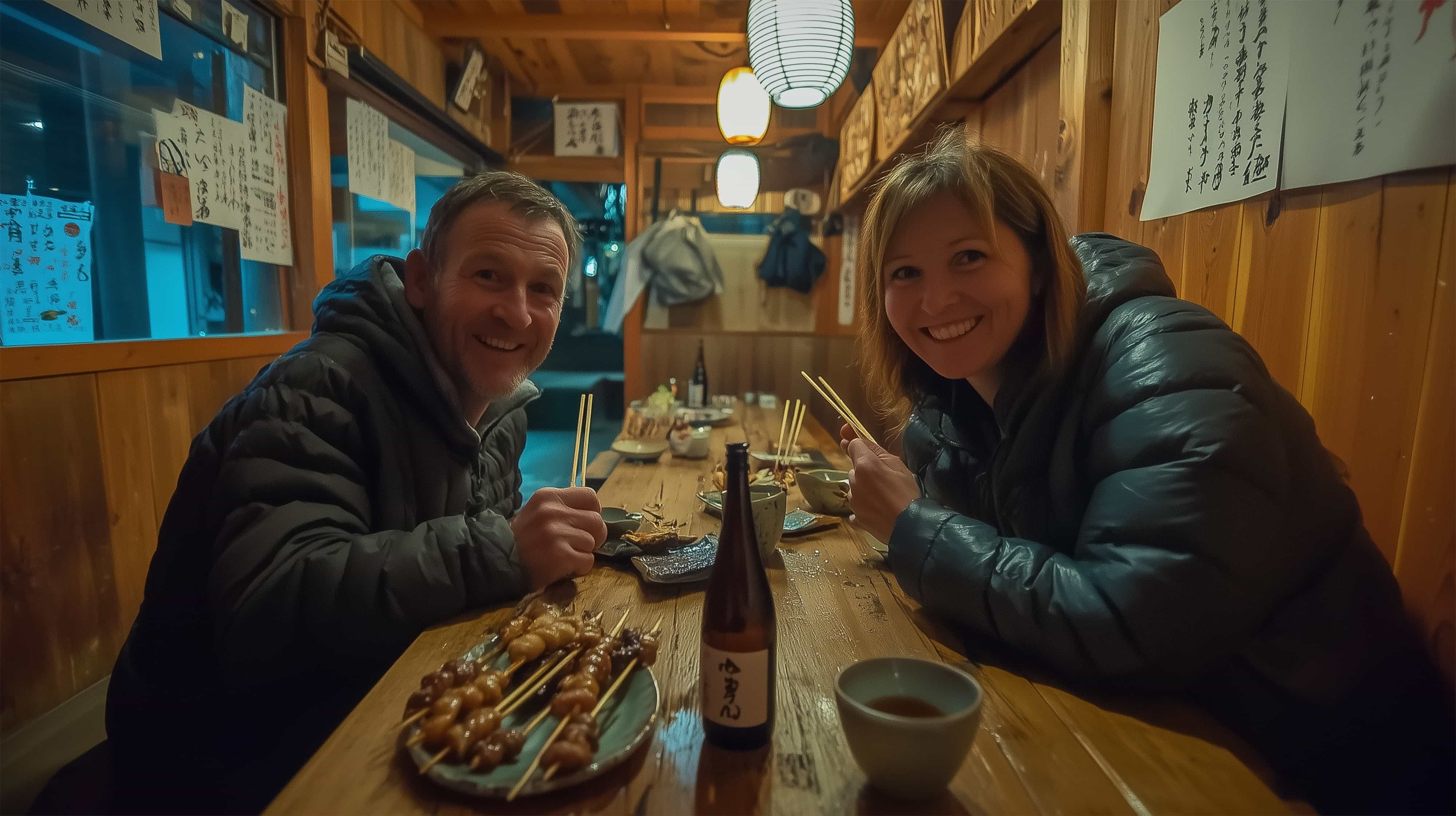
Japan is world-renowned for its culinary excellence, especially its pristine seafood. For many international travelers, indulging in fresh sushi, sashimi, and raw oysters at local markets or izakayas is an absolute highlight of the trip.
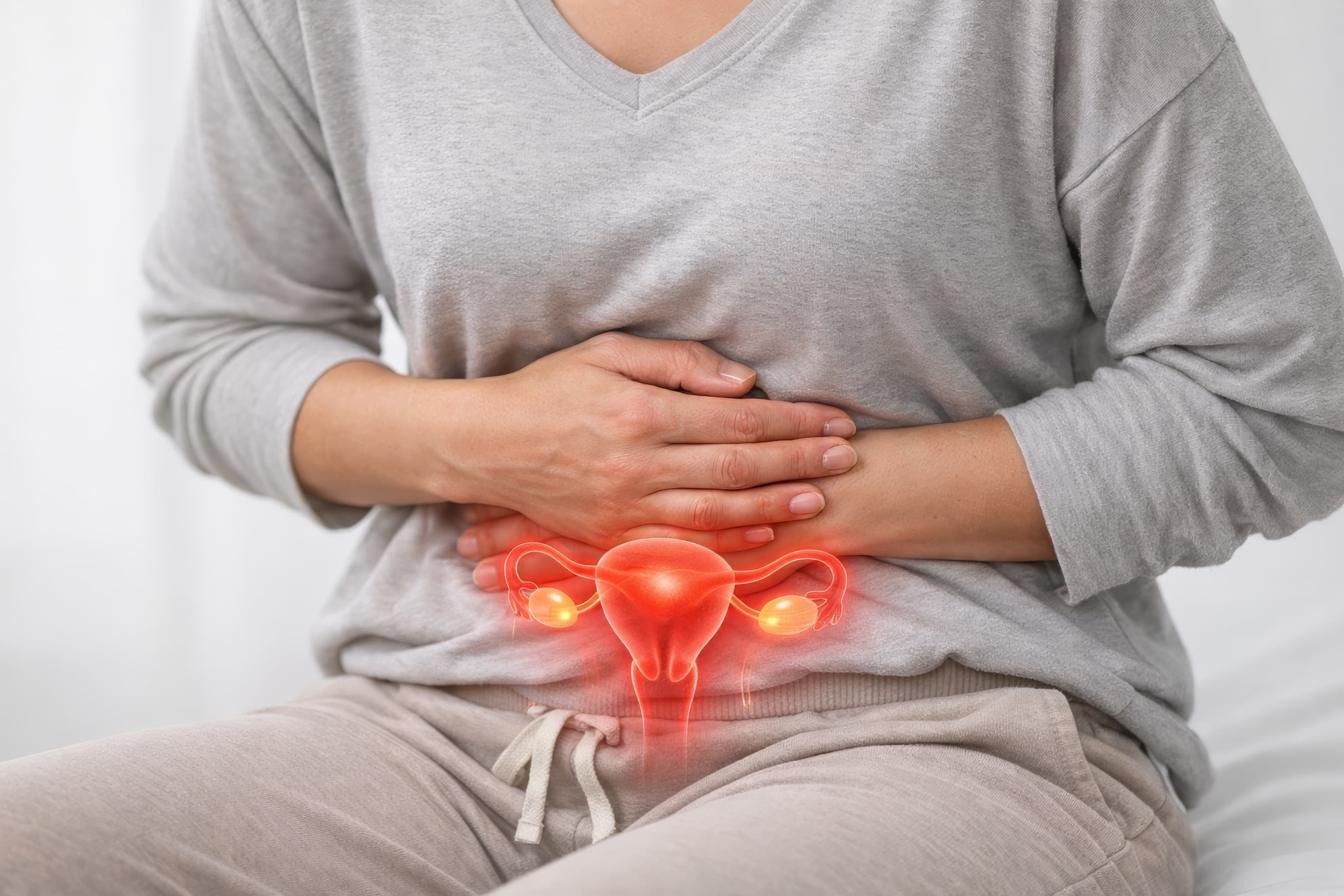
However, trying raw delicacies can occasionally bring unexpected outcomes. If you wake up one or two days after a seafood feast with sudden abdominal cramps and frequent trips to the bathroom, your culinary adventure might have resulted in a classic case of acute gastroenteritis. It is a common travel-related condition, but it requires careful attention to avoid dehydration.
The Connection Between Raw Seafood and Gastroenteritis

When consuming raw bivalves like oysters or uncooked fish, there is generally a slight possibility of encountering marine bacteria (such as Vibrio) or viruses (like Norovirus). According to the Centers for Disease Control and Prevention (CDC), these pathogens can irritate the gastrointestinal tract.
Symptoms typically emerge 12 to 48 hours after consumption and may include:
- Frequent watery diarrhea
- Abdominal cramps and general discomfort
- Nausea, vomiting, or a mild fever
While these symptoms are often the body's natural response to clearing a pathogen, they can lead to significant fluid loss, making dehydration the primary concern.
🩺 Medical Insight: The Dehydration Risk and Medication Caution
During a bout of acute gastroenteritis, it might be tempting to immediately take strong over-the-counter anti-diarrheal medications. However, medical guidelines generally suggest caution. Stopping diarrhea too quickly can sometimes keep the pathogen in your system, potentially prolonging the illness. Over-the-counter (OTC) medications primarily offer symptom relief rather than a cure. A doctor's diagnosis is generally necessary to determine if specific treatments, such as antibiotics for a bacterial infection, are required. Maintaining hydration with electrolytes is often considered the most critical step in recovery.
Immediate Self-Care in Japan
If you begin to feel unwell, you can find immediate supportive care options throughout Japan:
- Rehydrate: Japanese convenience stores sell excellent hydration options. Look for sports drinks like Pocari Sweat or Aquarius. For a more effective option, look for OS-1, an oral rehydration solution that effectively replenishes lost water and electrolytes.
- Pharmacies (Yakkyoku): Local drugstores offer various OTC medicines intended for symptom relief. However, these only ease discomfort and do not treat the underlying infection. Please consult with a pharmacist or a registered seller at the store before purchasing. A fundamental resolution generally requires a doctor's diagnosis.
The Traveler's Dilemma: Navigating Local Clinics
When rest and hydration are not enough, seeking professional medical care is highly advisable. Yet, doing so in a foreign country presents unique pain points:
- The Language Barrier: Explaining your symptoms, what you ate, and your medical history can be incredibly stressful when you do not speak the local language.
- Wait Times: Visiting a local clinic (Ichoka or Naika) usually involves enduring long wait times and navigating complex paperwork in Japanese.
When you are feeling weak and need to stay close to a bathroom, venturing out to find a medical facility is often the last thing you want to do.
| Treatment Approach | Medical Efficacy | Drawbacks for Tourists |
|---|---|---|
| OTC Drugstore Medications | Provides temporary symptom relief only. | Cannot cure the root cause. Language barrier when asking for advice. |
| Local Clinic or Hospital | Comprehensive diagnosis and prescription. | Long wait times, severe language barriers, and requires traveling while unwell. |
| HOTEL de DOCTOR 24 (Online) | Professional diagnosis and targeted prescription. | None |
Rest Easy and Get Treated with HOTEL de DOCTOR 24

You do not have to struggle through illness alone while traveling. HOTEL de DOCTOR 24 offers a seamless, stress-free medical solution tailored specifically for tourists.
- Consult from Your Room: Connect with a licensed doctor via your smartphone. You can receive professional advice without leaving the proximity of your hotel bathroom.
- Multilingual Support: Explain your symptoms and dietary history accurately. Our service provides comprehensive multilingual support, ensuring clear communication.
- Documentation & Prescriptions: The doctor can prescribe appropriate medications and direct you to a nearby pharmacy. After your consultation, a medical statement is sent directly to your email. (Medical Certificate Issuance is also available for an additional ¥5,000 JPY if required for travel insurance).
Frequently Asked Questions
Q. Can I use Japanese OTC stomach medicine to cure food poisoning?
A. Japanese OTC medications are mainly designed for symptom relief and do not eliminate the bacteria or viruses causing gastroenteritis. Please consult with a pharmacist or a registered seller at the store before purchasing, and consider seeing a doctor for a fundamental diagnosis.
Q. What should I drink to prevent dehydration in Japan?
A. Maintaining hydration is crucial. In Japan, you can easily find electrolyte-rich sports drinks like Pocari Sweat or Aquarius, as well as the oral rehydration solution OS-1, at almost any convenience store or pharmacy.
Q. How does an online doctor help with stomach issues?
A. Through a video consultation, a doctor can assess your symptoms, discuss what you recently ate, and determine the likelihood of acute gastroenteritis. With multilingual support, you can accurately describe your condition and receive appropriate prescriptions without leaving your hotel.
Did a seafood dinner leave you with stomach pains and diarrhea?
Visit HOTEL de DOCTOR 24 at https://www.hoteldedoctor24.com for an immediate online medical consultation.
Stay hydrated, rest up, and recover safely so you can get back to enjoying your journey in Japan!
For Further Information & Official Guidance
- Centers for Disease Control and Prevention (CDC): Norovirus and Food Poisoning - Visit Site
- MedlinePlus (NIH): Gastroenteritis - Visit Site
Disclaimer: This article provides general medical information. If you experience severe symptoms, such as an inability to keep liquids down, bloody stools, or signs of severe dehydration, please call 119 for an ambulance immediately.
* Please note that our services and pricing are subject to change without prior notice. For the most accurate and up-to-date information, please refer to our website and Terms of Service.