Sudden Headache or Illness in Japan? Causes, Self-Care, and Getting a Medical Certificate
Falling ill during a long-awaited trip to Japan is heartbreaking. It's especially stressful when you face a sudden headache or fever in an unfamiliar land, struggle with language barriers while trying to find a hospital, and worry about navigating a complex healthcare system. You might also find yourself needing a medical certificate for travel insurance claims or urgent flight changes.
This guide explains why tourists often get sick and how to care for yourself, and introduces a stress-free online solution designed specifically for international visitors: HOTEL de DOCTOR 24.
Why Do Headaches and Illness Strike While Traveling?
Your body is often under more stress than you realize during a trip. Here are the common culprits:
- Fatigue & Lack of Sleep: Long flights, jet lag, and the excitement of sightseeing can exhaust you more than you expect. Sleeping in an unfamiliar environment can lead to tension headaches.
- Dehydration: Japan's summers (June-September) are hot and humid. It's easy to forget to drink water while sightseeing, and even mild dehydration can cause headaches and fatigue.
- Dietary Changes: While Japanese food is delicious, significant changes in what and when you eat can upset your body.
- Weather & Pressure Changes: If you are sensitive to barometric pressure, sudden weather changes during your trip can trigger headaches.
Immediate Steps: Self-Care First
For mild symptoms, try these self-care tips first:
- Hydrate: Drink water or tea frequently. Sports drinks are also effective for replenishing electrolytes.
- Rest: Lie down quietly in your hotel room, block out light and noise, and relax. Even a short rest can help you recover.
- Use Over-the-Counter (OTC) Medicine: You can buy common pain relievers like Ibuprofen or Acetaminophen at Japanese drugstores.
Tip: Ask a pharmacist if you aren't sure what to buy; some may speak simple English. Always follow the dosage instructions.
When to See a Doctor

If self-care doesn't help, or if you experience the following, seek medical help immediately (or call 119 for an ambulance in emergencies):
- Sudden, Severe Pain: A headache that feels like "the worst pain of your life".
- Nausea or Dizziness: Severe vomiting or dizziness that makes you feel faint.
- Post-Injury Pain: Pain that starts or worsens after hitting your head.
- No Improvement: Symptoms that don't get better or get worse after a few days, even with OTC medicine.
Note: For emergencies like unconsciousness or heavy bleeding, call 119 immediately. Interpretation services may be available. Click here for a guide on calling an ambulance in Japan.
The Challenge: Finding a Doctor & Getting a Medical Certificate

If your condition isn't life-threatening but persists, or if you need a medical certificate for insurance or your airline, you need a doctor. But finding one is hard:
- Searching "medical clinic near me" often yields results in Japanese with unclear hours.
- Finding a hospital with an English-speaking doctor is difficult, leading to anxiety about communicating your symptoms.
- Unfamiliar procedures and long wait times are a burden.
- Getting a medical certificate requires a formal examination by a Japanese doctor, so it's not something you can just easily pick up.
The Stress-Free Solution: HOTEL de DOCTOR 24
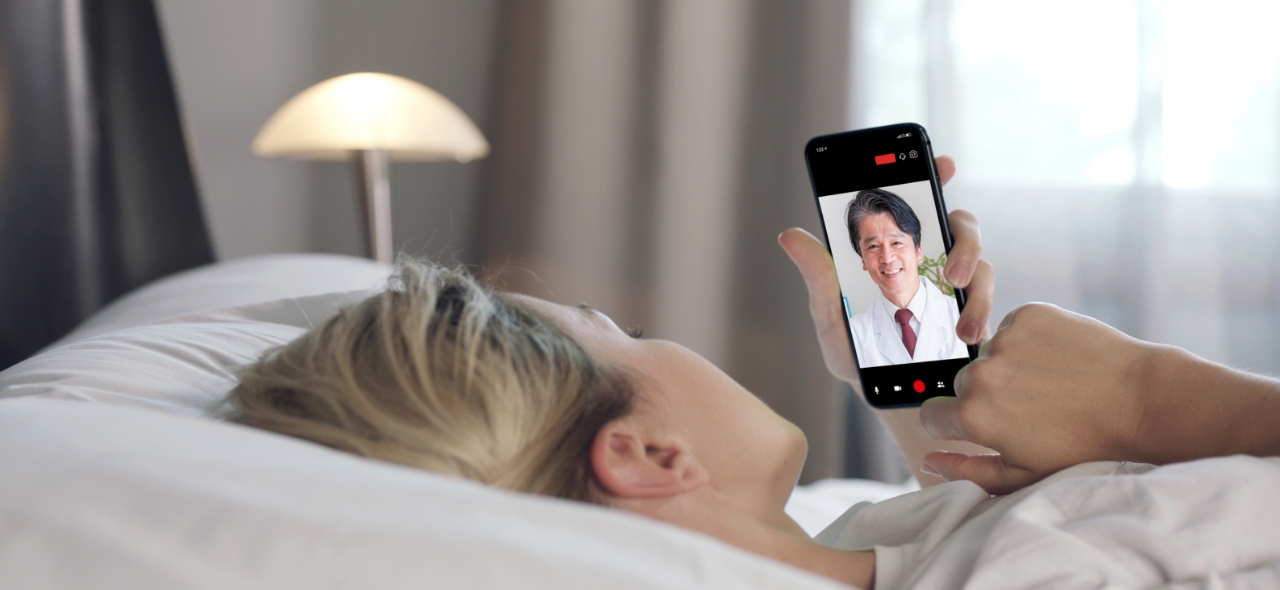
This is where HOTEL de DOCTOR 24 comes in as a reassuring ally for international tourists. It is designed to help you see a doctor smoothly from your hotel room, just like you would at home.
Why Choose HOTEL de DOCTOR 24?
- No Language Worries: Professional medical interpreters assist you, so you can convey your symptoms accurately.
- Smooth Medical Certificates: They can issue the certificates you need for travel insurance claims or flight changes/cancellations.
- Easy Access: No need to frantically search for a clinic. Connect with a doctor via video call on your smartphone in as little as 30 minutes.
Real-Life Example
Jason, a tourist from the US, developed a sudden high fever and sore throat. Worried about his flight the next day, he needed a medical certificate for his travel insurance. He booked HOTEL de DOCTOR 24 from his hotel room. Within 30 minutes, he had an online consultation. He received his medical certificate the same day to claim insurance and successfully rescheduled his flight. He also got directions to a nearby pharmacy to pick up his prescription.
How It Works (3 Easy Steps)
- Book Online: Select a time on the booking form (available from 30 minutes later).
- Online Consultation: Connect via video call on your smartphone or PC. Explain your symptoms and concerns.
- Receive Medication & Documents: A prescription will be issued based on the doctor's diagnosis. The service will find a nearby pharmacy for you. If needed, a medical certificate will be issued immediately.
Conclusion: Continue Your Trip with Confidence

Getting sick in Japan is stressful, but knowing the right solutions brings peace of mind. Rest and hydrate first. For emergencies, call 119. But for non-emergencies or when you need a medical certificate without language barriers or stress, HOTEL de DOCTOR 24 is your best solution.
We provide rapid, reliable medical support so you can enjoy your trip.
Visit HOTEL de DOCTOR 24 at https://www.hoteldedoctor24.com.
Stay healthy and safe on your travels!
For Further Information & Official Guidance
- Tokyo Metropolitan Medical Institution Information: Visit Site
- Japan Tourism Agency: Visit Site
- Guide for Ambulance Services (Fire and Disaster Management Agency): Download PDF
Disclaimer: This article provides general information for tourists and is not a substitute for professional medical advice. If symptoms persist, please see a doctor immediately.