Neon Lights and Pounding Heads: Managing Migraines During Your Japan Trip
Conclusion: If you suffer a severe migraine in Japan, you cannot buy specific migraine medications (like Triptans) over the counter. You should use an online telemedicine service to quickly get a prescription without leaving your dark, quiet hotel room.
Reason & Evidence: Japanese pharmacies only sell basic painkillers (NSAIDs/Acetaminophen) which are often ineffective for severe neurological migraines. Going to a local clinic requires enduring bright lights and loud noises. HOTEL de DOCTOR 24 allows you to consult an English-speaking doctor visually via smartphone and have the appropriate prescription arranged immediately.
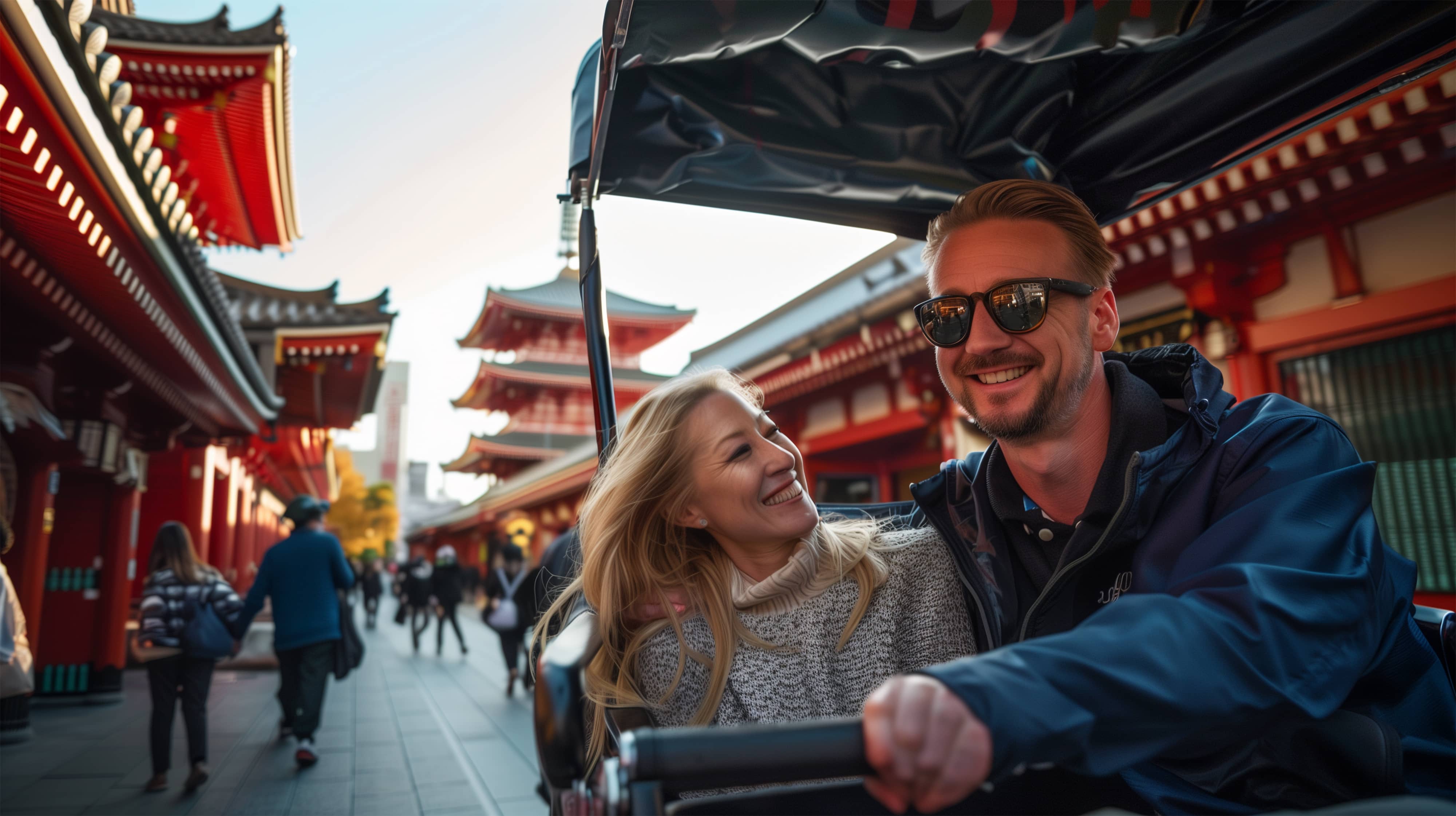
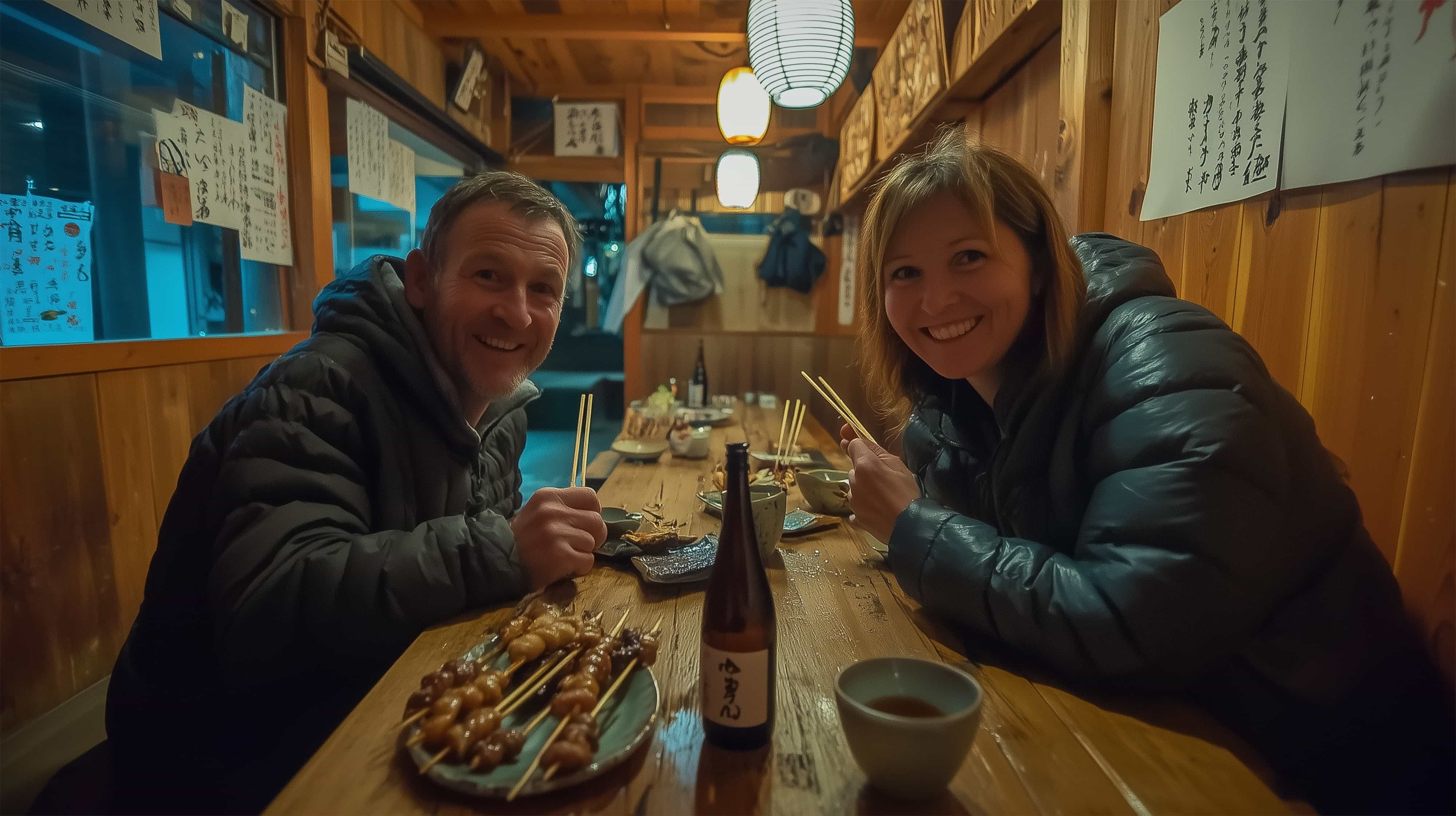
Japan is a sensory wonderland. From the flashing neon lights of Akihabara and the bustling crowds of Shibuya to the endless variety of new foods, there is excitement around every corner. However, if you are prone to migraines, this intense sensory stimulation—combined with the exhaustion of travel—can be the perfect recipe for a debilitating headache.
When a severe migraine strikes, a fun vacation can quickly turn into a desperate search for a dark, quiet room. Based on neurological guidelines from the NIH and MedlinePlus, this guide explains why travel triggers migraines, how to manage them in Japan, and how to get the prescription medicine you need without leaving your bed.
Why Travel Triggers Migraines
According to the National Institute of Neurological Disorders and Stroke (NINDS) and MedlinePlus, migraines are a neurological disease involving nerve pathways and brain chemicals. Travel is a major trigger for several reasons:
- Changes in Sleep Patterns: Jet lag, disrupted sleep schedules, or poor sleep on an airplane can easily trigger an attack.
- Barometric Pressure Changes (Airplane Cabin & Weather): The sudden shift in cabin pressure during a long flight alters oxygen levels and pressure in the sinuses and middle ear, frequently triggering migraines. Furthermore, Japan experiences a rainy season (Tsuyu) around June/July, and late summer/early autumn typhoon seasons, bringing dramatic fluctuations in barometric pressure and humidity that are well-documented meteorological triggers for migraine attacks.
- Sensory Overload: Bright or flashing lights (like those in Japanese arcades or Pachinko parlors), loud noises, and strong smells are classic migraine triggers.
- Dietary Shifts & Dehydration: Skipping meals while sightseeing, not drinking enough water, or consuming specific triggers like alcohol (e.g., trying local Japanese sake or beer) can bring on a headache.
- Stress: Navigating a complex foreign transit system and dealing with language barriers can increase physical and mental stress.
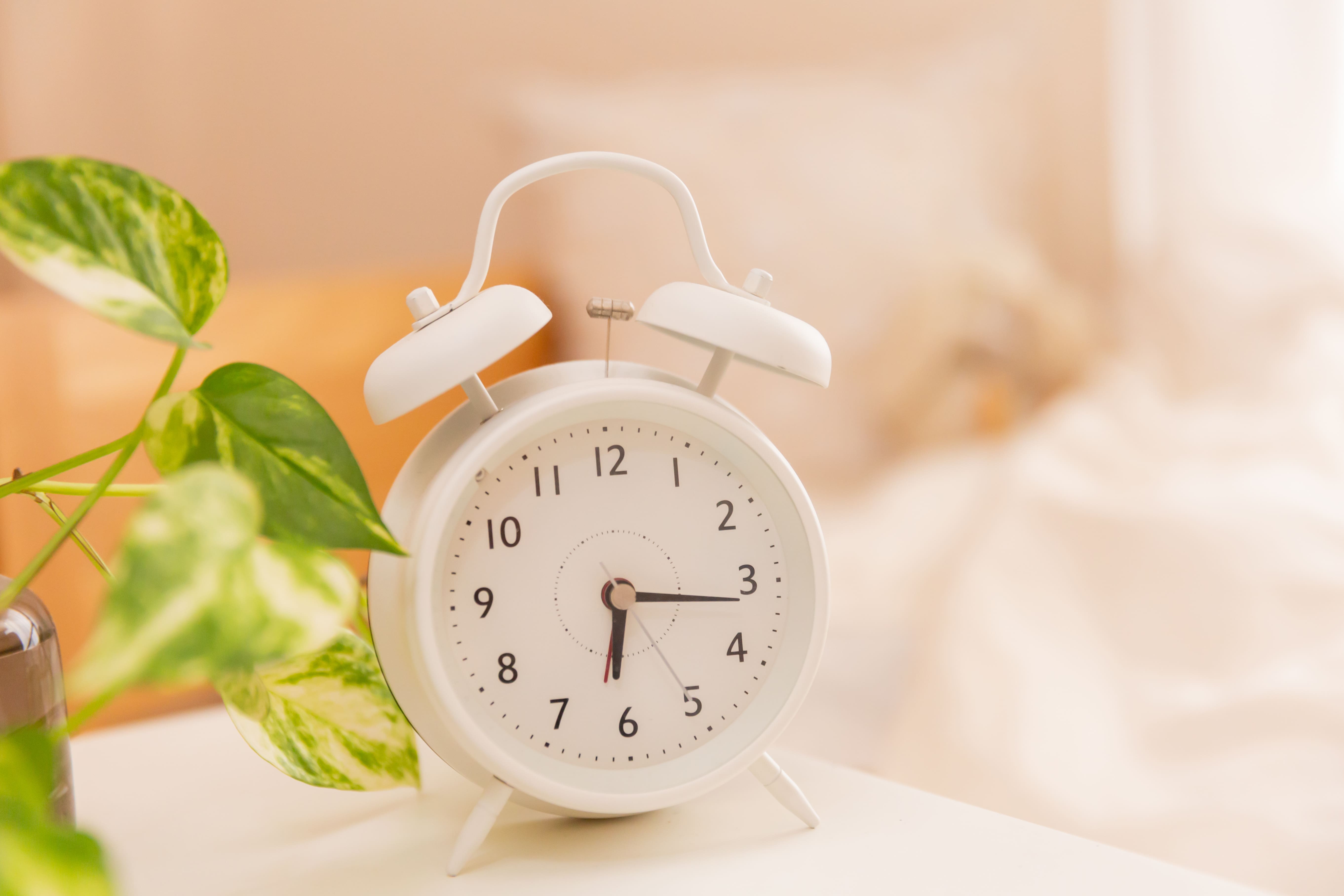
Recognizing a Migraine Attack
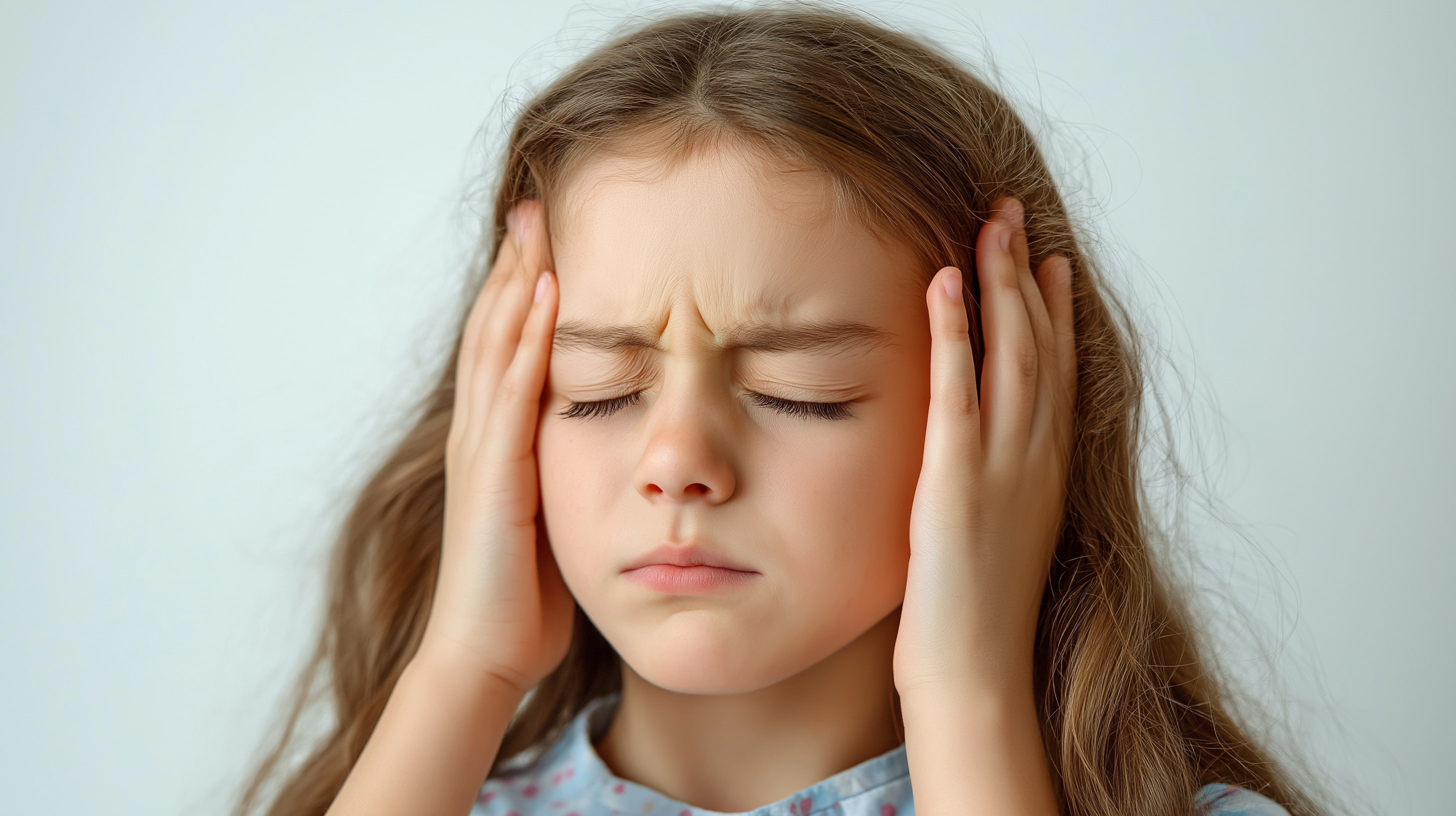
A migraine is not just a "bad headache." Symptoms often include:
- Intense, throbbing, or pulsating pain (usually on one side of the head).
- Nausea and vomiting.
- Extreme sensitivity to light (Photophobia) and sound (Phonophobia).
- Aura: Visual disturbances, such as seeing flashing lights or zig-zag lines, before the pain begins.
Immediate Self-Care in Japan
If you feel a migraine coming on, immediate action is crucial:
- Retreat: Go back to your hotel room. Close the blackout curtains, turn off the lights, and lie down in a quiet environment.
- Hydrate: Grab a sports drink like Pocari Sweat or Aquarius from a nearby vending machine to ensure you are not dehydrated.
- Cool Compresses: Apply a cold, damp towel or buy a cooling gel sheet (ask for "Hie-Pita" at a convenience store) to place on your forehead.
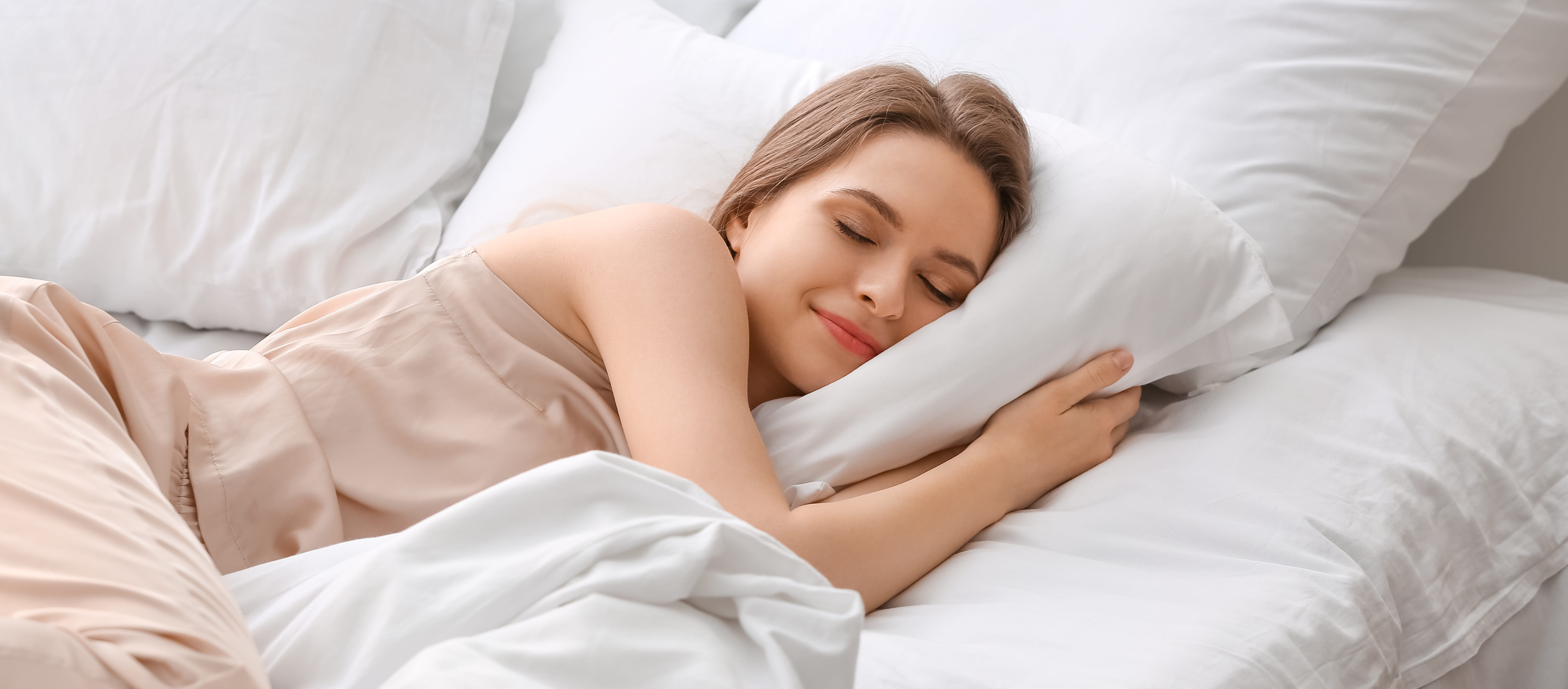
The Tourist's Dilemma: Getting Migraine Medication in Japan
Many chronic migraine sufferers rely on specific prescription medications called Triptans to abort a migraine attack. If you forgot your medication or ran out during your trip, you will face a major hurdle:
You cannot buy Triptans or strong migraine-specific medications over-the-counter (OTC) at Japanese drugstores.
🩺 Medical Insight: Why Basic Painkillers Often Fail
Migraines are not typical headaches; they are neurological events involving the dilation of blood vessels and the release of inflammatory substances around brain nerves. While over-the-counter NSAIDs (like ibuprofen) might help mild headaches, they often fail to stop a true migraine. Triptans, on the other hand, are prescription-only serotonin receptor agonists that specifically constrict these blood vessels and block pain pathways in the brain. Because Triptans are strictly regulated in Japan, obtaining a doctor's prescription is the only legal and effective medical route to abort a severe attack.
Japanese pharmacies (Yakkyoku) only sell basic pain relievers like Ibuprofen or Loxoprofen without a prescription. While these might help a mild headache, they are often ineffective for a full-blown migraine.
To get Triptans, you need a doctor's prescription. But the thought of leaving your dark hotel room, navigating public transport while nauseous, and sitting in a bright, noisy clinic waiting room—all while trying to explain "throbbing pain" and "aura" through a language barrier—is agonizing.
| Action | Medical Efficacy | Drawbacks for Migraine Sufferers |
|---|---|---|
| Buying OTC Painkillers | Low (Often ineffective for severe migraines). | Triptans are not available. Basic meds may not stop the attack. |
| Visiting a Local Clinic | High (Can prescribe Triptans). | Requires enduring bright lights, loud travel, and long wait times while in excruciating pain. |
| HOTEL de DOCTOR 24 (Online) | High (Can prescribe Triptans). | Best Option: Consult from a dark, quiet hotel room with immediate English support. |
Rest and Recover with HOTEL de DOCTOR 24
When light hurts your eyes and moving makes you nauseous, let the doctor come to you. HOTEL de DOCTOR 24 provides an immediate, stress-free solution for migraine sufferers.
- Consult from the Dark: Stay in your bed with the lights off. Have a video consultation with a licensed doctor right from your smartphone.
- No Language Barrier: Professional medical interpreters will accurately translate your specific symptoms and medical history.
- Get the Right Prescription: The doctor can prescribe the necessary migraine-specific medications (like Triptans or anti-nausea drugs) and guide you to the nearest pharmacy so you or a travel companion can quickly pick them up.
Frequently Asked Questions
Q. Can I buy Triptans (migraine medicine) over the counter in Japan?
A. No. Triptans and other specific migraine medications are strictly prescription-only in Japan. You cannot purchase them at a regular drugstore without a doctor's consultation.
Q. I have a severe migraine right now. Should I go to a Japanese hospital?
A. Traveling to a hospital while experiencing light sensitivity (photophobia) and nausea can make your migraine worse. It is highly recommended to stay in a dark, quiet room and use an online medical service like HOTEL de DOCTOR 24 to get a prescription remotely.
Is a severe migraine keeping you trapped in your room? Get prescription relief now.
Visit HOTEL de DOCTOR 24 at https://www.hoteldedoctor24.com.
Find relief in the quiet, recover quickly, and get back to enjoying the wonders of Japan!
For Further Information & Official Guidance
- NIH (NINDS) - Visit NIH Page
- MedlinePlus - Visit MedlinePlus Page
- PMC - Visit PMC Article
Disclaimer: This article provides general medical information. If you experience the "worst headache of your life," sudden weakness on one side of your body, difficulty speaking, or confusion, these could be signs of a stroke. Please call 119 for an ambulance immediately.