Asian Travel Fatigue? Identifying and Managing Shingles
Conclusion: If you develop a tingling, one-sided rash during a long Japan trip, it might be shingles. Please note that online medical consultations can only perform triage for severity and urgency (assessing the necessity of an in-person visit). They cannot provide a definitive diagnosis or treatments such as IV drips. Tests and medications cannot be provided.
Reason & Evidence: Travel fatigue may weaken your immune system, potentially triggering an outbreak. While an in-person physical clinic is required for tests and antiviral prescriptions, HOTEL de DOCTOR 24 provides multilingual support to assess your symptoms and guide you on the appropriate next steps without navigating language barriers alone.
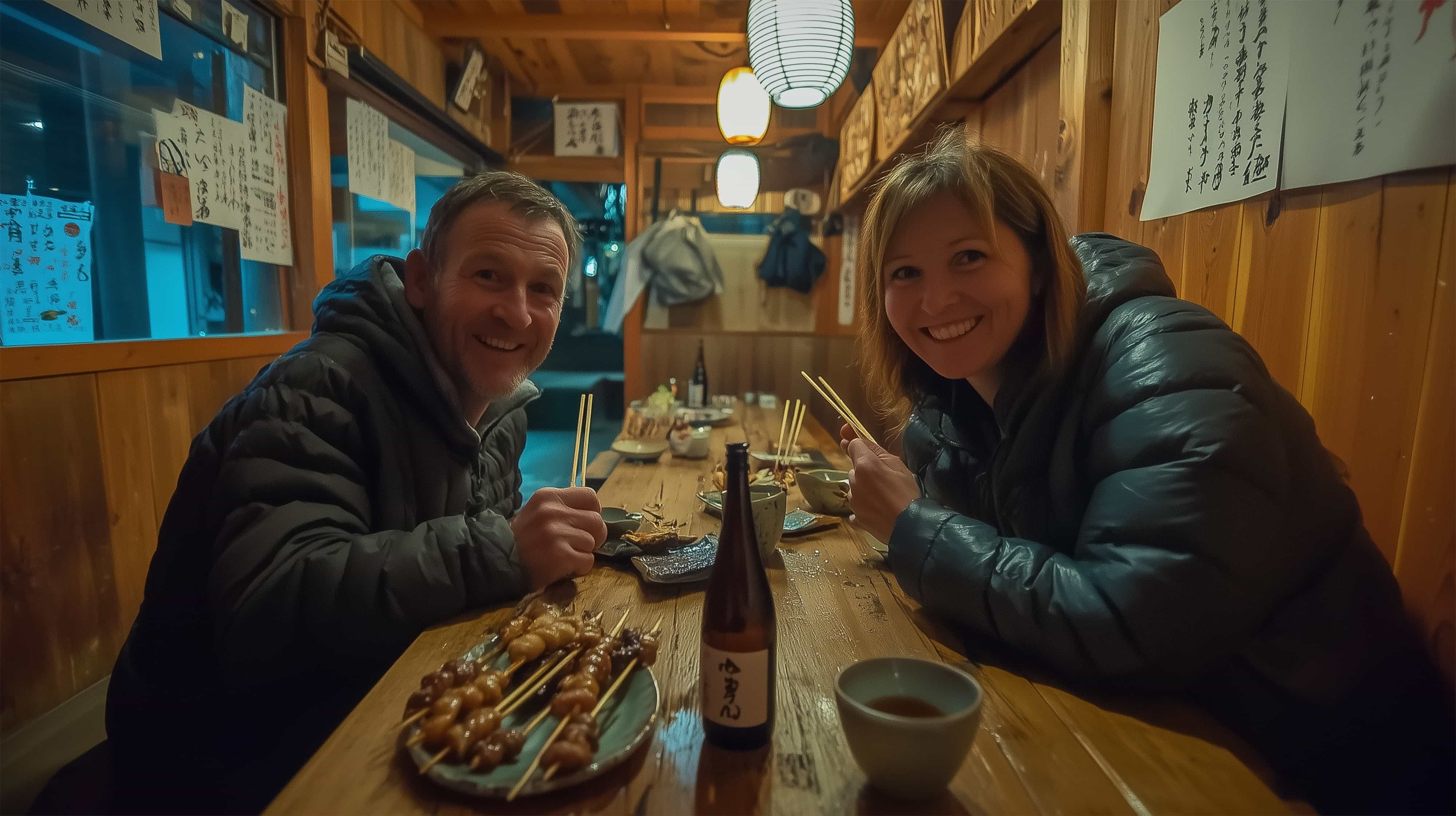
Exploring Japan is an extraordinary experience. From walking through historic Kyoto temples to enjoying the bustling nightscapes of Tokyo, your days are likely filled with excitement. However, during the latter half of a long trip across Asia, constant movement, long flights, and accumulated travel fatigue can gradually take a hidden toll on your immune system.
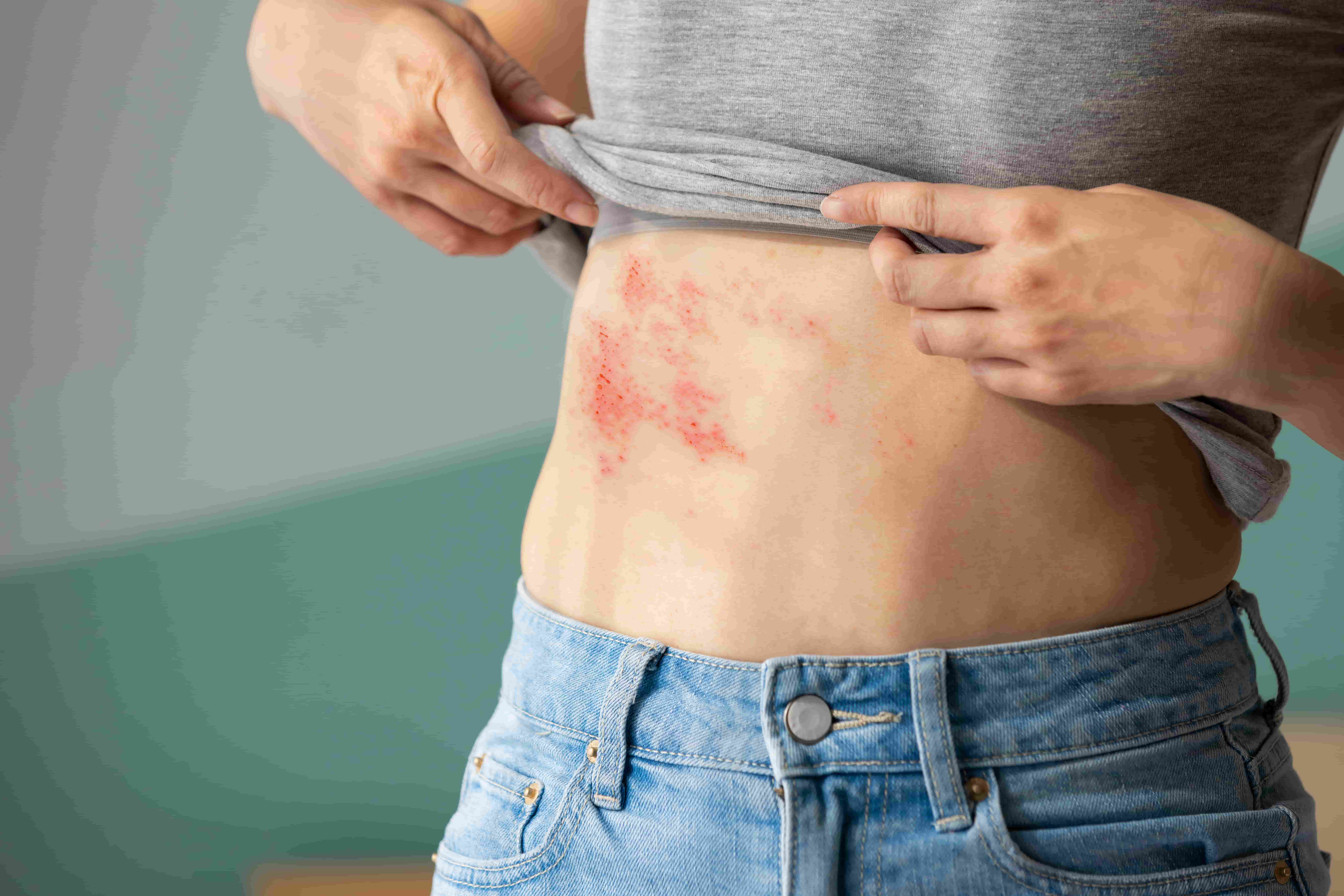
If you suddenly begin to experience a tingling nerve pain, followed by a red rash with blisters appearing on just one side of your body or face, you might be experiencing a condition known as Shingles (called Taijo Hoshin in Japan). Let's look at how to identify this condition and the general ways it is managed.
What Causes Shingles and What Are the Symptoms?
According to clinical overviews from the Centers for Disease Control and Prevention (CDC), shingles is caused by the reactivation of the varicella-zoster virus—the same virus that causes chickenpox. After you recover from chickenpox, the virus remains dormant in your body. When your immune defenses drop due to stress or travel exhaustion, it may reactivate.
Typical symptoms may include:
- Tingling or shooting pain along a nerve path.
- A localized red rash that appears on one side of the body or face (unilateral).
- Fluid-filled blisters that form over a few days.
- General fatigue and sometimes a mild fever.
📊 Medical Insight: The Role of Antiviral Treatment
While over-the-counter medications may help with temporary symptom relief, addressing the virus itself generally requires prescription antiviral medications. Medical professionals suggest that starting these antivirals early can be beneficial for recovery. However, because specialized tests and in-person evaluations are often necessary to confirm the diagnosis, an online consultation cannot prescribe these medications for this condition on the first visit.
Immediate Self-Care in Japan

If you suspect you have a rash related to fatigue, prioritizing your recovery is essential. You can manage your symptoms with resources available in Japan:
- Rest: Consider reducing your itinerary immediately. Sleep is critical for allowing your immune system to recover.
- Pharmacy (Yakkyoku): You may find OTC mild anti-inflammatory medications to help with general symptom relief. Please consult with a pharmacist or a registered seller at the store before purchasing.
- Keep it Clean: Cover the rash loosely with a sterile dressing or gauze (available at any drugstore) to keep the area clean. It is generally advised not to pop any blisters.
The Tourist's Dilemma: Finding the Right Help
While OTC medications provide general symptom relief, they are not a cure. The biggest challenge for foreign tourists in Japan is that antiviral medications cannot be purchased over-the-counter. They strictly require a doctor's prescription obtained through an in-person physical examination.
Additionally, explaining specific nerve pain and a spreading rash in a foreign language can be difficult. Visiting a local clinic often means sitting in a waiting room while navigating complex paperwork without multilingual support.
| Treatment Approach | Medical Efficacy | Drawbacks for Tourists |
|---|---|---|
| OTC Medications (Drugstore) | Low to Moderate. May offer temporary symptom relief. | Cannot treat the underlying virus; delays formal diagnosis. |
| Local Japanese Clinic (In-person) | High. Can accurately diagnose, perform tests, and prescribe antivirals. | Complex paperwork and potential language barriers. |
| HOTEL de DOCTOR 24 (Online) | Provides immediate professional triage and guidance. | None: Multilingual support allows you to understand your next steps easily from your room. |
Seek Prompt Relief with HOTEL de DOCTOR 24

When dealing with an unfamiliar rash, you might feel anxious about what to do next. HOTEL de DOCTOR 24 offers a stress-free first step for international travelers through multilingual support.
However, it is important to understand the scope of our service: Online medical consultations can only perform triage for severity and urgency (assessing the necessity of an in-person visit). They cannot provide a definitive diagnosis or treatments such as IV drips. Tests and medications cannot be provided.
- Consult from Your Hotel: Have a video consultation with a licensed doctor right from your smartphone to assess the visual symptoms.
- Multilingual Support: We offer support in multiple languages, ensuring your symptoms are accurately communicated without language barriers.
- Professional Guidance: The doctor will perform triage and advise you on whether you need to visit a local physical clinic immediately for specialized tests and prescriptions.
Frequently Asked Questions
Q. Can I buy antiviral medications for shingles over the counter in Japan?
A. No. Antiviral medications, which are generally considered necessary to address the root cause, are strictly prescription-only in Japan. You cannot purchase them at a standard drugstore.
Q. Can an online doctor prescribe medication for shingles?
A. No. Online medical consultations can only perform triage for severity and urgency (assessing the necessity of an in-person visit). They cannot provide a definitive diagnosis, tests, or medications.
Q. What should I do if I suspect I have shingles while traveling?
A. Prioritize rest, keep the rash clean, and consider using an online medical service for initial triage. They can advise you on whether an immediate visit to a local in-person clinic is necessary.
Are you experiencing a concerning rash and wondering what to do next?
Visit HOTEL de DOCTOR 24 at https://www.hoteldedoctor24.com.
Take the time to rest, seek the appropriate guidance, and recover so you can safely continue your journey!
For Further Information & Official Guidance
- CDC: Shingles Clinical Overview - Visit Site
Disclaimer: This article provides general medical information. If you experience severe symptoms, please call 119 for an ambulance immediately. *Please note that our services and pricing are subject to change without prior notice. For the most accurate and up-to-date information, please refer to our website and Terms of Service.