Child with a Sudden Fever and Sore Throat in Japan? Early Signs of Strep Throat and Contagious Infections
Conclusion: If your child develops an acute high fever and sharp throat pain during your Japan trip, it may stem from a contagious bacterial infection such as Strep throat, requiring professional medical guidance rather than guessing with over-the-counter remedies.
Reason & Evidence: Enclosed transit environments like long flights and busy bullet trains often foster transmission among children. Because Japanese pharmacies do not sell antibiotics over the counter, accessing targeted prescription care is crucial if bacteria are involved. HOTEL de DOCTOR 24 connects traveling families with licensed physicians via online consultations with multilingual support directly from the comfort of their hotel room.
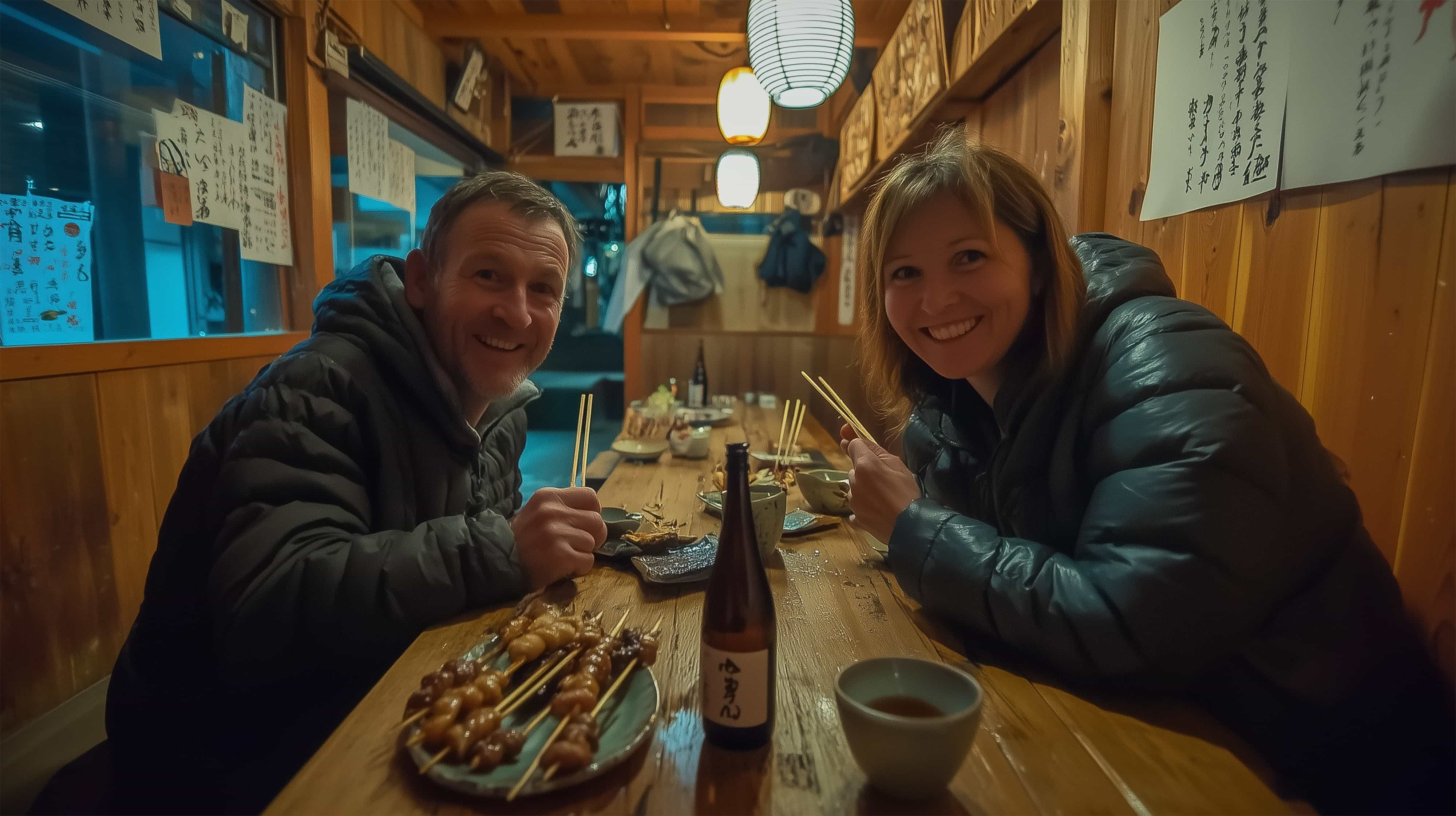
A family trip to Japan is filled with unforgettable experiences—from riding bullet trains across scenic landscapes to exploring vibrant attractions in Tokyo and Kyoto and tasting delightful local dishes. However, traveling with children frequently introduces unexpected physical challenges. Long international flights, dry recycled air, rapid temperature shifts between heated indoors and cool outdoor air, and continuous movement can quickly deplete a young traveler's immune defenses.
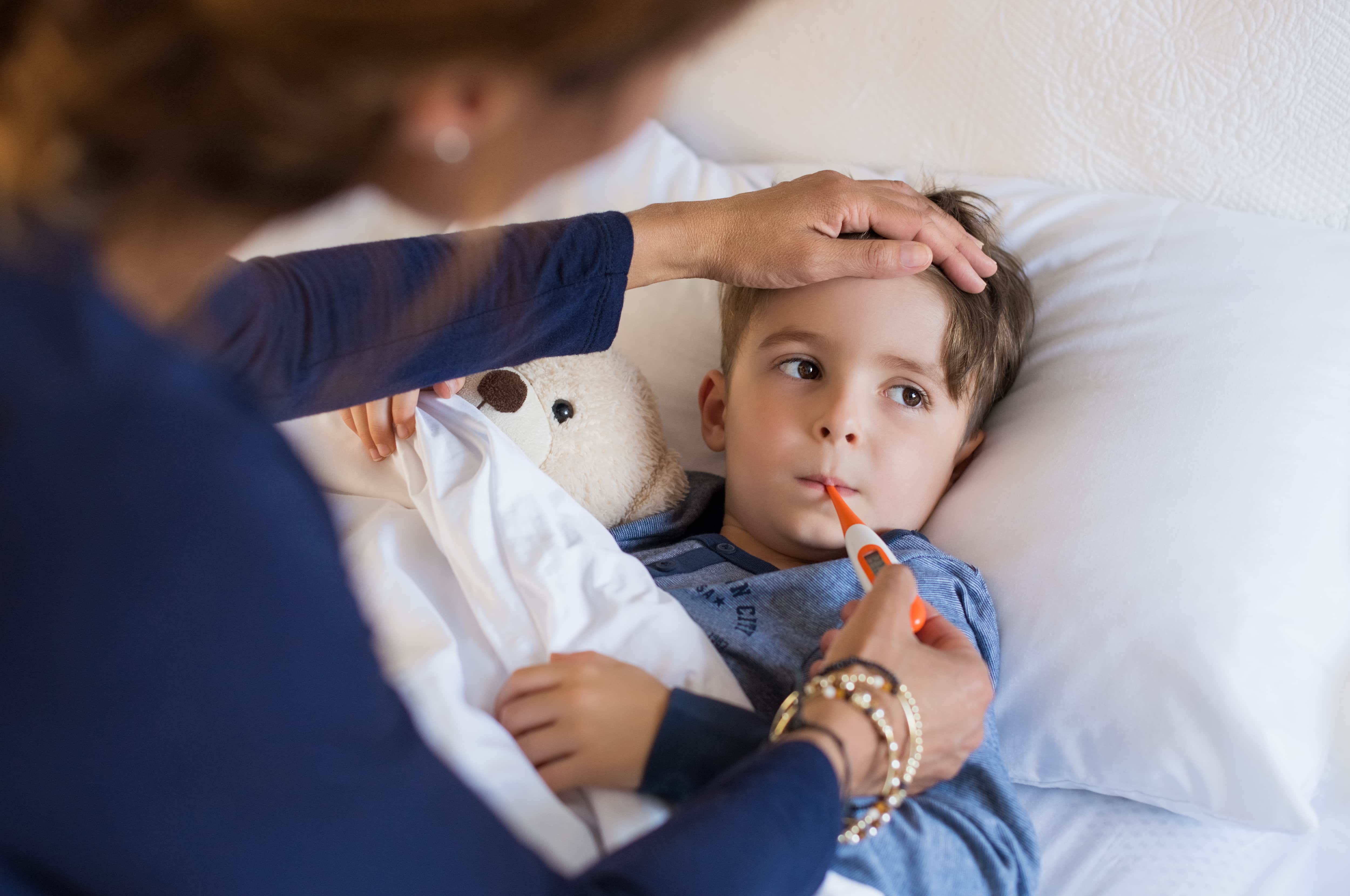
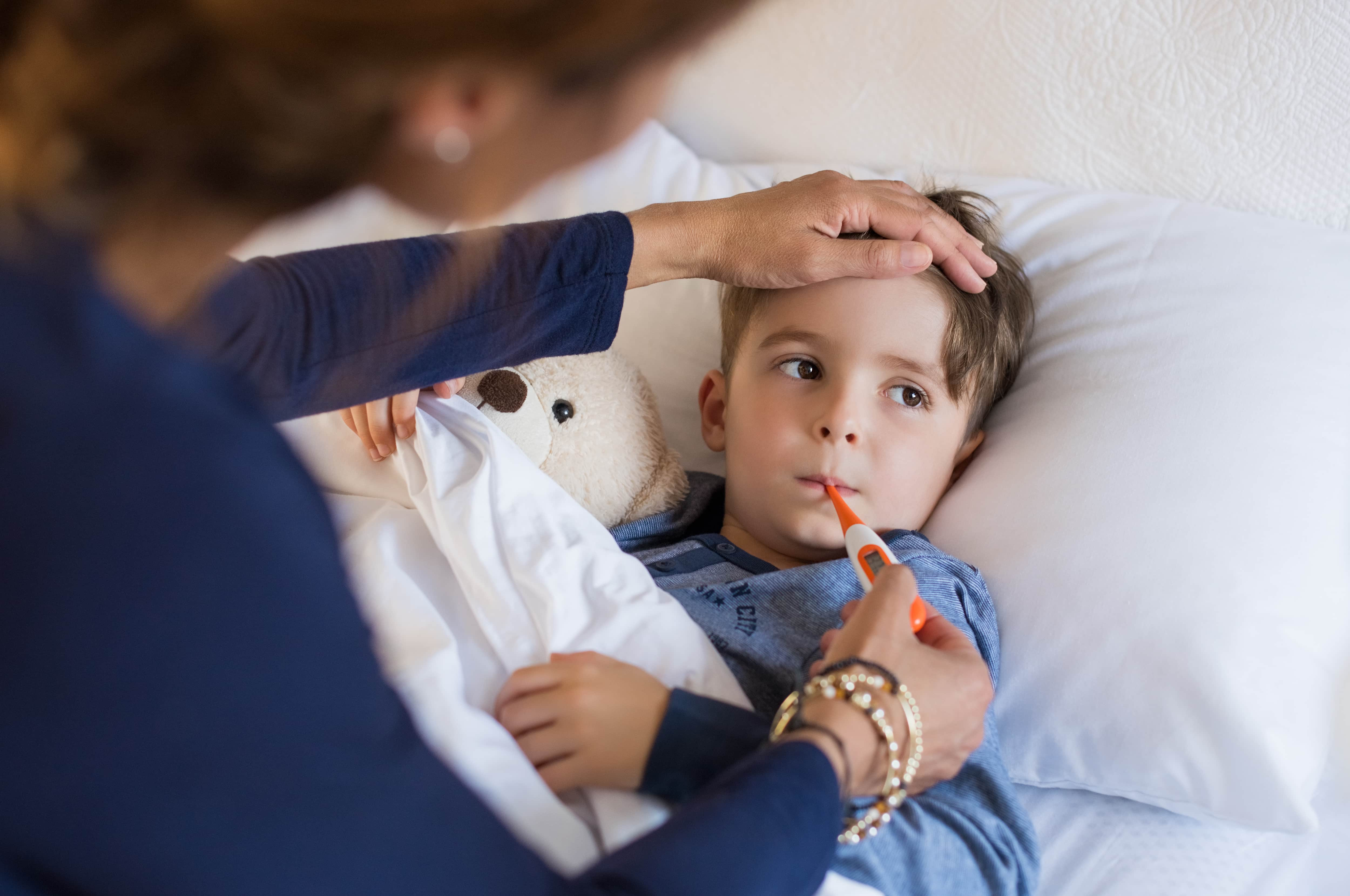
If your child suddenly develops a spiking fever and severe throat discomfort while staying at your accommodation, it is natural for parents to feel anxious far from their familiar healthcare system. Understanding whether these symptoms suggest a simple travel cold or a contagious infection like Strep Throat (Group A Streptococcal infection) is the crucial first step toward taking the right action.
1. High Fever and Severe Sore Throat After Enclosed Travel

International travel inevitably requires spending extended hours in crowded, enclosed spaces, such as airplane cabins, airport shuttles, and busy train stations. Young travelers are naturally inquisitive, frequently touching armrests, tray tables, and handrails before touching their faces or sharing snacks.
The combination of low humidity inside airplanes and close physical proximity to fellow travelers provides an ideal setting for respiratory pathogens to circulate. When travel fatigue lowers a child's resistance, contagious respiratory agents can take hold rapidly, frequently presenting as a sudden, elevated temperature and acute pharyngeal pain within a few days of arrival.
2. Recognizing Contagious Infections: What is Strep Throat?
According to health resources from the Centers for Disease Control and Prevention (CDC) and the National Institutes of Health (NIH), sore throats in pediatric populations are frequently viral, but bacterial causes—most notably Group A Streptococcus (GAS)—represent a significant proportion of acute throat infections.
Unlike a slow-building common cold, Strep throat often appears suddenly with notable clinical characteristics:
- Rapid Onset of High Fever: Body temperature often spikes quickly, commonly exceeding 38.5°C (101.3°F).
- Severe Pharyngeal Pain: Swallowing fluids or food becomes markedly painful, which may cause younger children to refuse drinking or eating.
- Red, Swollen Tonsils: The tonsils and posterior pharynx may appear intensely inflamed, occasionally showing patches or streaks of white exudate.
- Tender Cervical Lymph Nodes: Swollen, sensitive lymph nodes can often be felt along the sides or front of the neck.
- Absence of Typical Viral Cold Symptoms: Coughing and significant nasal congestion are generally absent or minimal in standard bacterial strep infections.
- Associated Discomfort: Children may also complain of abdominal discomfort, headache, or mild nausea alongside throat irritation.
🩺 Medical Insight: Clinical Significance of Timely Evaluation
Appropriate antibiotic therapy can shorten the clinical duration, help mitigate the spread of infection to other family members within approximately 24 hours of starting treatment, and help reduce the risk of rare post-streptococcal sequelae such as acute rheumatic fever. Because visual inspection alone cannot fully distinguish between viral pharyngitis and bacterial strep, receiving an evaluation from a qualified physician ensures your child receives the appropriate therapeutic regimen without unguided medication use.
3. The Hurdles of Pediatric Care Across Language and Cultural Barriers
When an unexpected illness occurs during a vacation, parents must balance initial supportive care with the realities of navigating a foreign medical infrastructure:
Supportive Self-Care and Pharmacy Considerations
While preparing for medical consultation, parents can utilize resources available at convenience stores and pharmacies (Yakkyoku) across Japan:
- Hydration: Maintaining adequate fluid intake is critical. Electrolyte beverages such as Pocari Sweat, oral rehydration solutions, or mild, cooled barley tea (Mugicha) are readily available.
- Soft Nourishment: Offer gentle foods that do not irritate the throat, such as chilled custards, jelly pouches, or mild rice porridge (Okayu).
- Cooling Care: Cooling gel forehead sheets (commonly sold under names like Hie-Pita or Netsusama Sheet) can be applied for temporary thermal comfort.
- Over-The-Counter Fever Relief: Japanese drugstores carry mild anti-inflammatory medications and pediatric acetaminophen formulations for temporary symptom relief. Please consult with a pharmacist or a registered seller at the store before purchasing.
It is important to remember that over-the-counter options provide only temporary symptom relief and do not resolve an underlying bacterial cause. If bacterial pathogens are present, specialized prescription therapy may be required to assist recovery.
Challenges Faced by Traveling Parents
Attempting to visit a local brick-and-mortar pediatric clinic (Shonika) while managing a sick child often introduces considerable friction:
- Communication Complexities: Explaining symptom timelines, exact dosages, and allergy histories across a language barrier can feel overwhelming when your child is distressed.
- Prescription Regulations: Antibiotics and specialized pediatric antibacterial medications cannot be purchased over-the-counter in Japan and strictly require a licensed doctor's prescription.
- Physical Strain and Waiting Times: Traveling via public transit to an unfamiliar clinic and waiting in a busy room with a feverish child consumes precious rest time and adds stress for the entire family.
| Care Pathway | Clinical Scope | Considerations for Traveling Families |
|---|---|---|
| Drugstore OTC Remedies | Temporary symptom relief for mild aches and fever. | Does not cure bacterial infections. Requires consulting store staff to verify ingredients and dosages. |
| Local Walk-In Clinic (Shonika) | Comprehensive in-person evaluation and prescription. | Potential language barriers, unfamiliar paperwork, and lengthy waiting room times with a sick child. |
| HOTEL de DOCTOR 24 (Online) | Timely physician assessment via video and direct prescription access if indicated. | Consult directly from your hotel room with multilingual support; minimal waiting stress. |
4. Caring for Your Child from the Hotel: Stress-Free Online Medical Support

When fever and severe throat discomfort threaten your family vacation, you do not have to handle the unfamiliar medical process alone. HOTEL de DOCTOR 24 provides an accessible, reassuring telemedicine pathway tailored for international visitors in Japan.
- Comfort-First Consultations: Allow your child to rest in bed while you speak directly with a licensed doctor via video call on your smartphone or tablet.
- Multilingual Support: Clearly communicate your child's condition, symptoms, and medical history with comprehensive multilingual support, ensuring peace of mind for parents.
- Prescription Arrangements: If the physician determines that targeted prescription medication is appropriate, they can arrange the prescription and direct you to a nearby dispensing pharmacy for convenient pickup.
- Insurance Documentation: For families utilizing overseas travel insurance, a medical statement is sent via email, and an official Medical Certificate Issuance is available for an additional fee of ¥5,000 JPY upon request.
Frequently Asked Questions
Q. Can I buy antibiotics for my child's strep throat at a Japanese drugstore?
A. No. Antibiotics are strictly prescription-only in Japan to prevent antimicrobial resistance. You cannot purchase them over-the-counter at a drugstore. A medical consultation is required to obtain a prescription.
Q. How can an online doctor examine a child's sore throat from our hotel?
A. Through a high-definition video consultation, a licensed doctor can visually inspect the child's tonsils for redness, swelling, or white exudates, evaluate the breathing pattern, and review the clinical timeline to determine the appropriate course of care.
Q. What can I do immediately to comfort my sick child in Japan before seeing a doctor?
A. Keep your child well-hydrated with electrolyte drinks like Pocari Sweat or cooled barley tea, offer soft foods like puddings or jelly pouches from local convenience stores, and apply cooling gel forehead sheets for symptom relief.
Is your child experiencing a sudden high fever and severe sore throat in Japan?
Visit HOTEL de DOCTOR 24 at https://www.hoteldedoctor24.com for an immediate online medical consultation.
Help your child feel better swiftly and protect your family's memorable journey with prompt, caring medical support.
For Further Information & Official Guidance
- CDC: Group A Strep / Strep Throat Information - Visit CDC Guidance
- NIH (MedlinePlus): Streptococcal Infections Overview - Visit NIH MedlinePlus
- HOTEL de DOCTOR 24: Internal Medicine Guide on Streptococcal Infections - View Article
Disclaimer: This article provides general medical information. If you experience severe symptoms, please call 119 for an ambulance immediately.
※ Please note that our services and pricing are subject to change without prior notice. For the most accurate and up-to-date information, please refer to our website and Terms of Service.