Understanding Bird Flu (Avian Influenza) in Japan: Infection Routes and Symptoms
Conclusion: While exploring Japan's beautiful nature is generally safe, travelers should be aware of Avian Influenza (Bird Flu). If you develop sudden flu-like symptoms, seeking professional medical advice is recommended rather than relying solely on over-the-counter remedies.
Reason & Evidence: Because Japanese drugstores do not sell prescription antiviral medications, HOTEL de DOCTOR 24 provides quick, multilingual telemedicine support. Please note that antiviral medications cannot be prescribed unless a positive result is confirmed using a test kit approved in Japan.
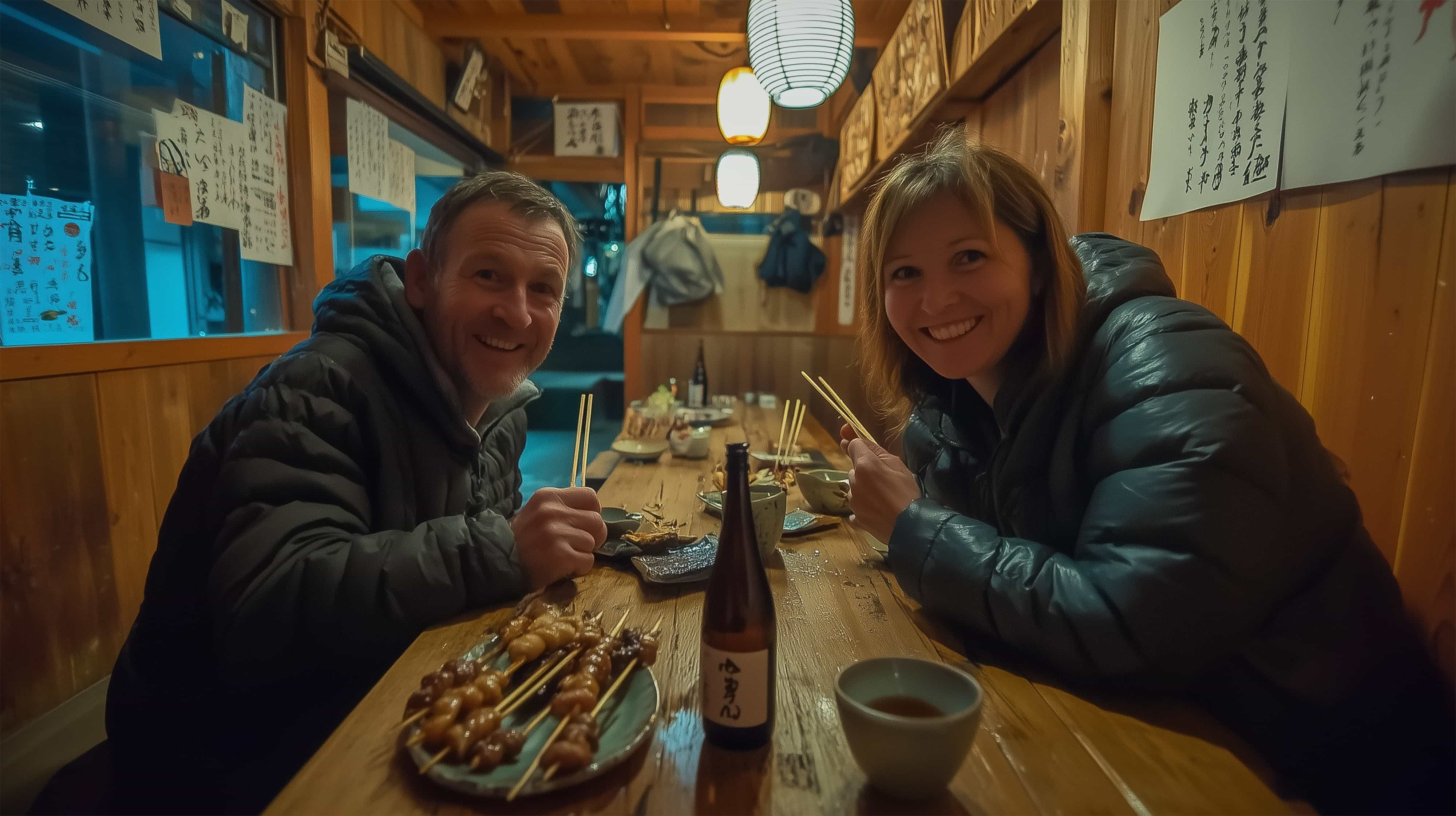
Japan is celebrated worldwide for its breathtaking natural landscapes, diverse wildlife, and world-class culinary experiences. While traveling, immersing yourself in the local environment is part of the joy. However, when visiting certain outdoor areas or agricultural regions, it is helpful to be aware of regional health advisories, such as the situation surrounding Avian Influenza, commonly known as Bird Flu.
Although the risk of human infection remains generally low, understanding how the virus is transmitted and what symptoms to watch for can give you peace of mind during your stay.
Infection Routes: How Does It Spread?
According to the Centers for Disease Control and Prevention (CDC) and Japan's Ministry of Agriculture, Forestry and Fisheries (MAFF), Bird Flu primarily circulates among wild aquatic birds and domestic poultry. For humans, transmission typically occurs under specific conditions:
- Direct Contact: The most common route is prolonged, unprotected physical contact with infected sick or dead birds.
- Environmental Contamination: Exposure can occur by touching surfaces or inhaling particles contaminated with the saliva, mucous, or feces of infected birds.
- Food Safety: Health authorities advise that you cannot catch bird flu from eating properly cooked poultry or eggs. Japan maintains rigorous food safety standards to ensure the public's well-being.
🩺 Expert Insight: Recognizing the Symptoms
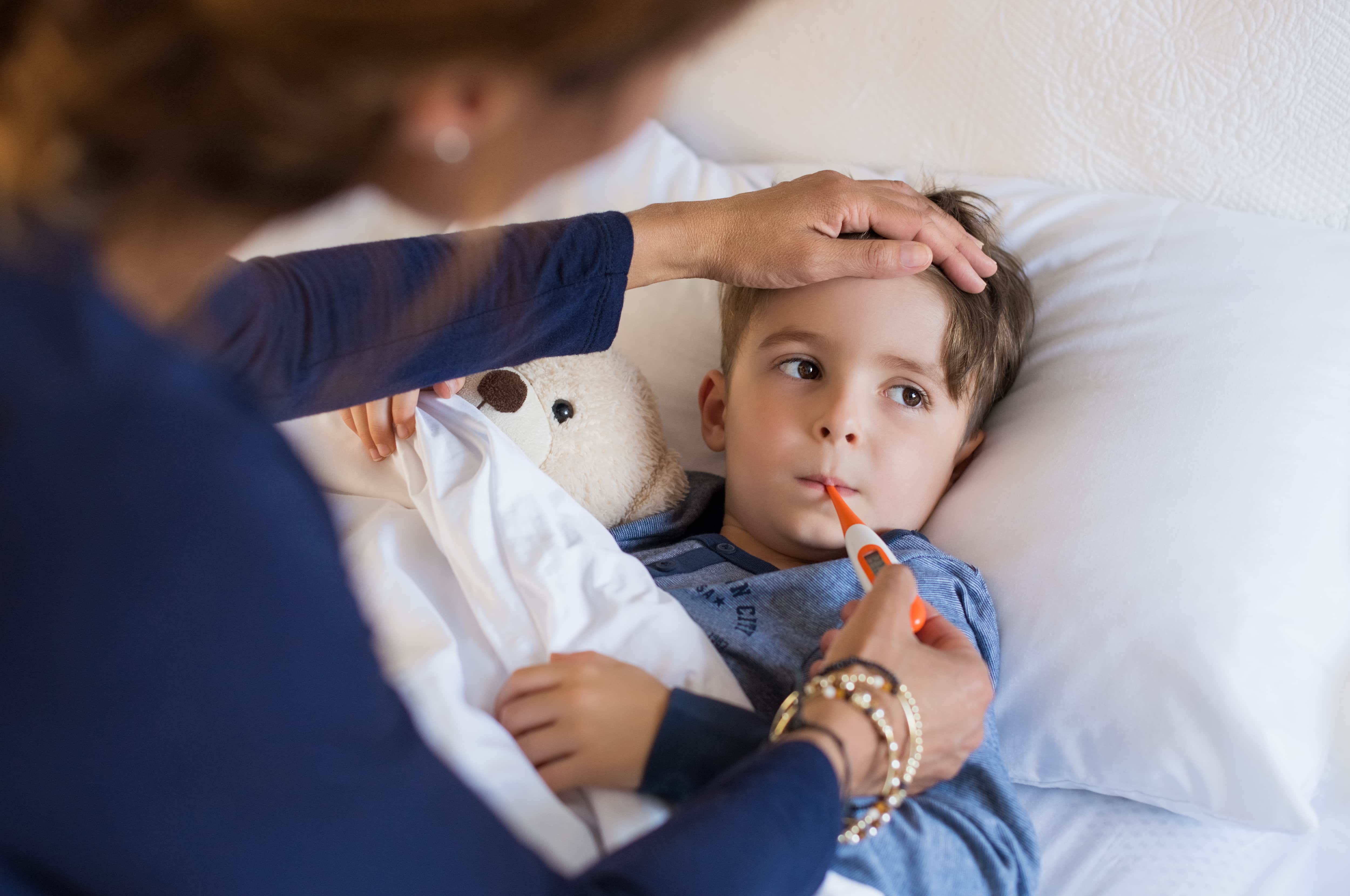
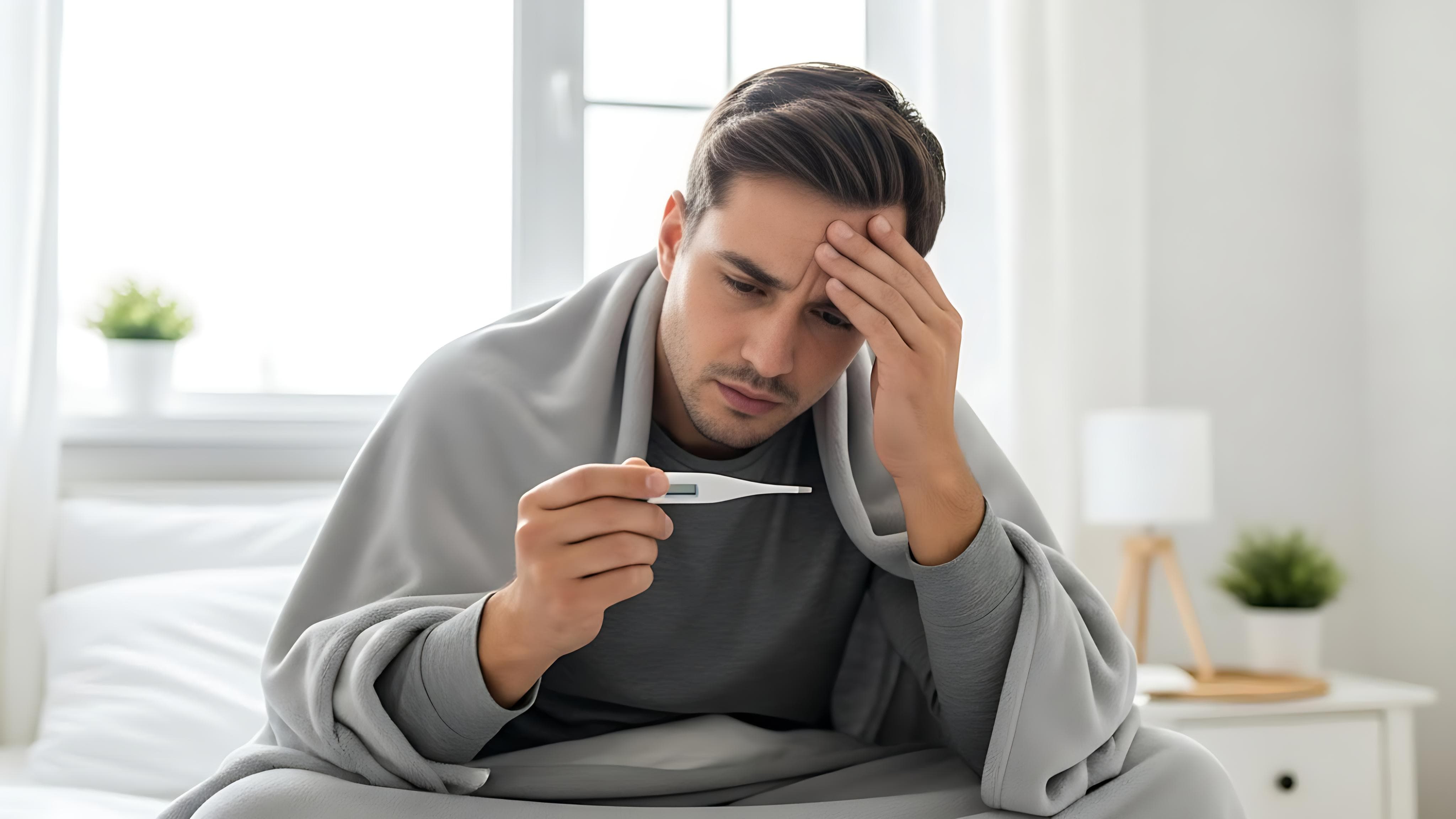
If a human is exposed to the virus, the resulting symptoms often resemble a typical seasonal influenza or common cold. According to public health guidelines, early signs may include fever, cough, sore throat, muscle aches, and occasionally mild conjunctivitis (red or pink eye). Because these symptoms overlap significantly with other common respiratory illnesses, clinical assessment is crucial. A thorough medical evaluation is typically required to provide proper care and rule out other common seasonal viruses.
Self-Care and Prevention in Japan
Practicing basic hygiene is your best defense while traveling:
- Avoid touching or feeding wild birds in parks, and do not visit poultry farms without official authorization.
- Wash your hands frequently with soap, and utilize the hand sanitizers conveniently located at the entrances of most Japanese shops and restaurants.
- Over-the-Counter (OTC) Medicines: If you experience minor cold symptoms, local Japanese pharmacies (Yakkyoku) carry mild anti-inflammatory medications. These are designed for symptom relief rather than curing a viral infection. Please consult with a pharmacist or a registered seller at the store before purchasing.
Common Challenges for Tourists Seeking Care
Falling ill in a foreign country can be stressful. Many tourists in Japan face specific challenges when trying to address sudden flu-like symptoms:
- Language Barriers: Accurately explaining your symptoms, travel history, and medical background to clinic staff can be difficult without Japanese fluency.
- Medication Limitations: Unlike in some countries, you cannot simply walk into a pharmacy and buy strong antibiotics or antiviral medications. These require a doctor's prescription.
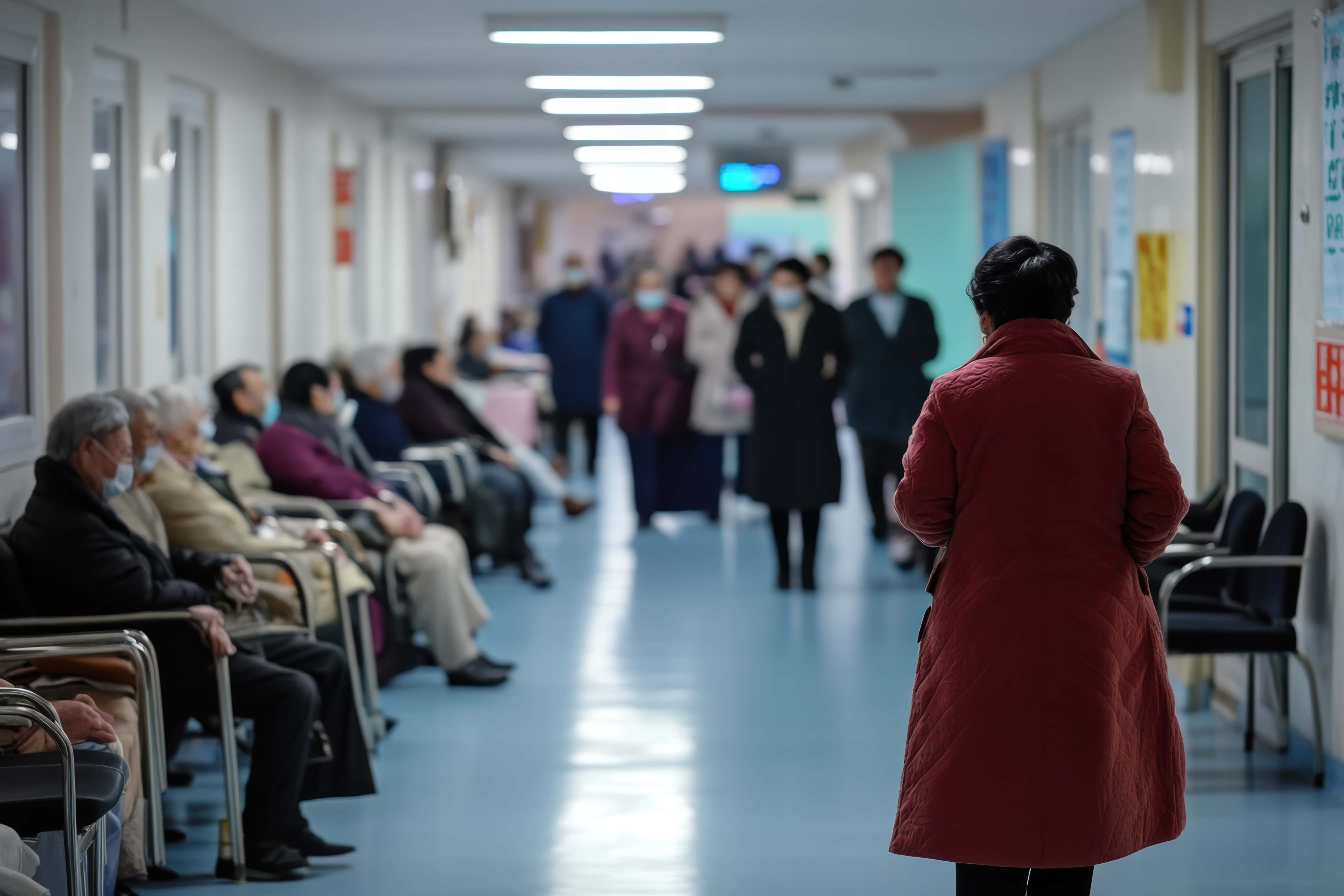
- Time Consumption: Navigating the local healthcare system, filling out paperwork, and waiting in crowded hospital lobbies can consume precious days of your vacation.
| Treatment Approach | Treatment Scope | Drawbacks for Tourists |
|---|---|---|
| Japanese Pharmacy (OTC) | Symptom relief (Provides basic mild anti-inflammatory medications). | Cannot cure viruses; potential language barriers when selecting products. |
| Local Clinic or Hospital | Clinical (Can provide proper diagnosis and medications if deemed necessary). | Long waiting times, complex paperwork, and limited multilingual support. |
| HOTEL de DOCTOR 24 (Online) | Professional (Professional medical assessment and prescription access). | None. Convenient and accessible directly from your hotel room. |
A Seamless Solution: HOTEL de DOCTOR 24
If you find yourself unwell and uncertain about navigating local clinics, HOTEL de DOCTOR 24 offers a reliable alternative tailored for international visitors.
- Consult from Your Room: Speak with a doctor via a video call on your smartphone, allowing you to rest comfortably rather than commuting to a hospital.
- Multilingual Support: We offer comprehensive multilingual support to ensure your symptoms and medical history are accurately communicated and understood.
- Prescription Access: If deemed medically appropriate, the doctor can issue a prescription and guide you to a nearby pharmacy. However, please note that antiviral medications can only be prescribed if a positive result is confirmed using a test kit approved in Japan.
- Documentation: After the consultation, a medical statement is sent to you via email. If needed for travel insurance claims, a formal Medical Certificate Issuance is available for an additional fee of ¥5,000 JPY.

Q. Infection Routes: How Does It Spread?
A. According to the Centers for Disease Control and Prevention (CDC) and Japan's Ministry of Agriculture, Forestry and Fisheries (MAFF), Bird Flu primarily circulates among wild aquatic birds and domestic poultry. For humans, transmission typically occurs under specific conditions: Direct Contact: The most common route is prolonged, unprotected physical contact with infected sick or dead birds. Environmental Contamination: Exposure can occur by touching surfaces or inhaling particles contaminated with the saliva, mucous, or feces of infected birds. Food Safety: Health authorities advise that you cannot catch bird flu from eating properly cooked poultry or eggs. Japan maintains rigorous food safety standards to ensure the public's well-being. 🩺 Expert Insight: Recognizing the Symptoms If a human is exposed to the virus, the resulting symptoms often resemble a typical seasonal influenza or common cold. According to public health guidelines, early signs may include fever, cough, sore throat, muscle aches, and occasionally mild conjunctivitis (red or pink eye). Because these symptoms overlap significantly with other common respiratory illnesses, clinical assessment is crucial. A thorough medical evaluation is typically required to provide proper care and rule out other common seasonal viruses.
Q. Self-Care and Prevention in Japan
A. Practicing basic hygiene is your best defense while traveling: Avoid touching or feeding wild birds in parks, and do not visit poultry farms without official authorization. Wash your hands frequently with soap, and utilize the hand sanitizers conveniently located at the entrances of most Japanese shops and restaurants. Over-the-Counter (OTC) Medicines: If you experience minor cold symptoms, local Japanese pharmacies (Yakkyoku) carry mild anti-inflammatory medications. These are designed for symptom relief rather than curing a viral infection. Please consult with a pharmacist or a registered seller at the store before purchasing.
Q. Common Challenges for Tourists Seeking Care
A. Falling ill in a foreign country can be stressful. Many tourists in Japan face specific challenges when trying to address sudden flu-like symptoms: Language Barriers: Accurately explaining your symptoms, travel history, and medical background to clinic staff can be difficult without Japanese fluency. Medication Limitations: Unlike in some countries, you cannot simply walk into a pharmacy and buy strong antibiotics or antiviral medications. These require a doctor's prescription. Time Consumption: Navigating the local healthcare system, filling out paperwork, and waiting in crowded hospital lobbies can consume precious days of your vacation. Treatment Approach Treatment Scope Drawbacks for Tourists Japanese Pharmacy (OTC) Symptom relief (Provides basic mild anti-inflammatory medications). Cannot cure viruses; potential language barriers when selecting products. Local Clinic or Hospital Clinical (Can provide proper diagnosis and medications if deemed necessary). Long waiting times, complex paperwork, and limited multilingual support. HOTEL de DOCTOR 24 (Online) Professional (Professional medical assessment and prescription access). None. Convenient and accessible directly from your hotel room.
Feeling unwell? Get professional medical advice from the comfort of your room.
Visit HOTEL de DOCTOR 24 at https://www.hoteldedoctor24.com.
Prioritize your health and enjoy a safe, unforgettable journey through Japan!
For Further Information & Official Guidance
- CDC - Avian Influenza (Bird Flu) Situation Summary
- MAFF (Japan) - Latest Information on Avian Influenza
Disclaimer: This article provides general medical information. If you experience severe symptoms, please call 119 for an ambulance immediately. *Please note that our services and pricing are subject to change without prior notice. For the most accurate and up-to-date information, please refer to our website and Terms of Service.