Sudden Itchy Skin in Japan? Why Past Eczema and Dermatitis Flare Up on Vacation
Conclusion: If past eczema or dermatitis flares up during your Japan trip, avoid relying solely on mild drugstore creams and consider consulting a doctor for an appropriate medical evaluation.
Reason & Evidence: Because potent topical corticosteroids require a prescription in Japan, HOTEL de DOCTOR 24 offers accessible, multilingual online consultations where a licensed doctor can evaluate your condition and prescribe appropriate medication if medically necessary.
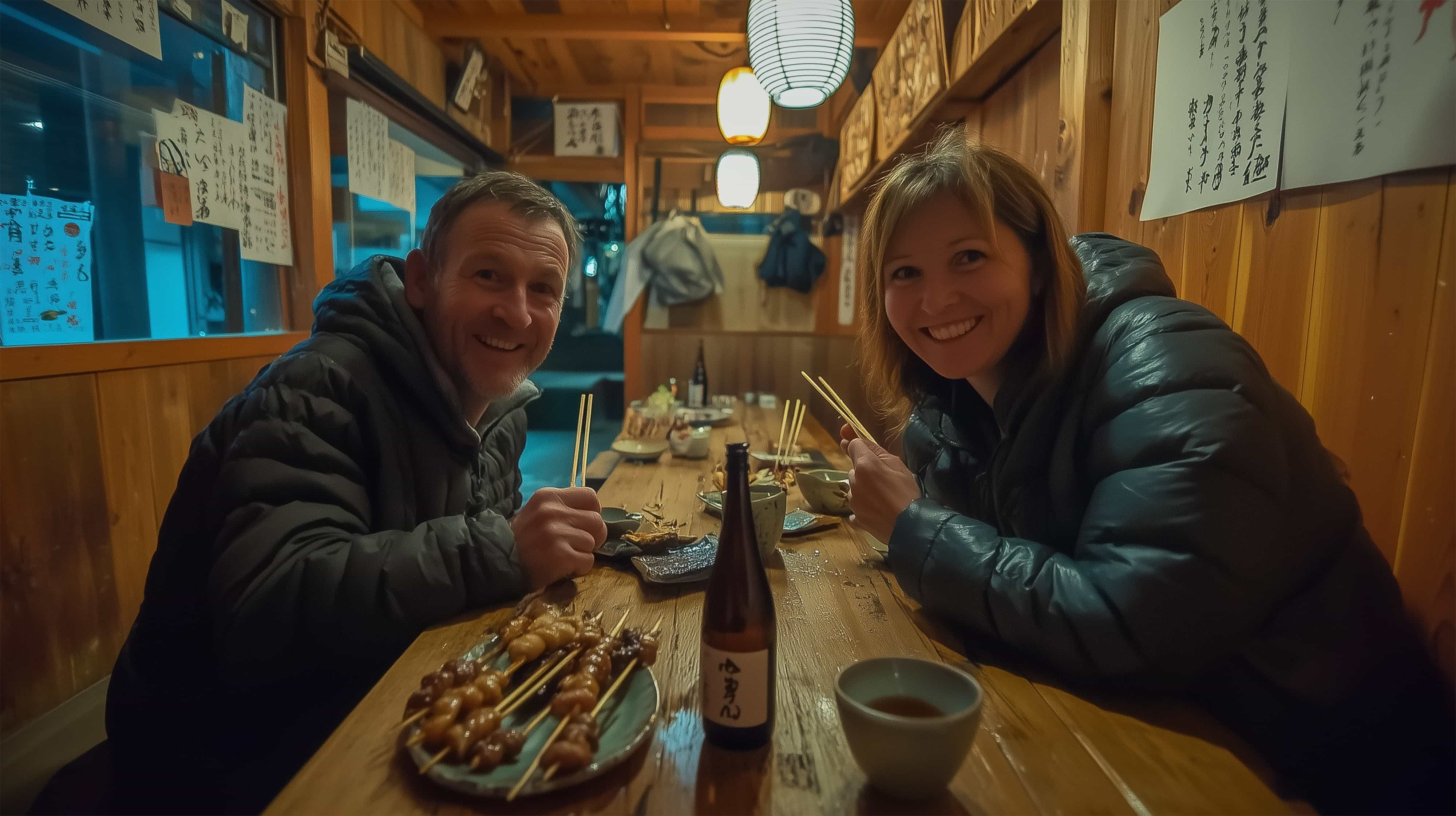
Exploring Japan is an unforgettable experience for any adult traveler. From savoring fresh local cuisine in bustling food markets to strolling through serene temple gardens and vibrant city districts, every day brings something new. However, long-haul flights, unfamiliar schedules, and sudden environmental shifts can quietly place extra strain on your body.
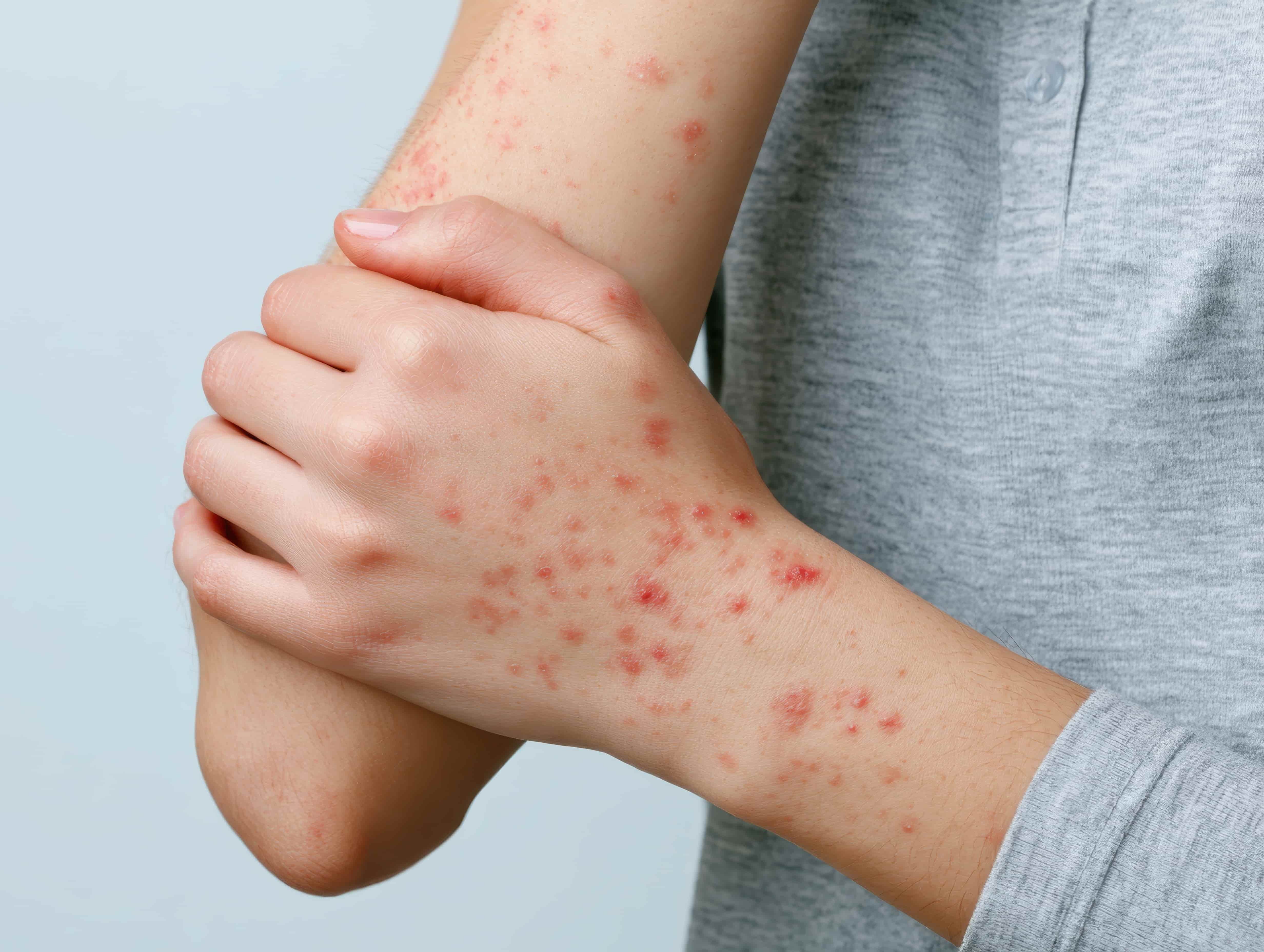
For many travelers, this sudden change shows up on their skin. Even if you thought you had outgrown atopic dermatitis or had not experienced an eczema flare-up in years, the combination of dry airplane cabins, different hotel shower water, and travel fatigue can trigger an unexpected wave of redness and persistent itching—making it hard to focus on sightseeing or get a good night's sleep.
Why Dormant Eczema and Dermatitis Return While Traveling
Guidance from the Centers for Disease Control and Prevention (CDC) notes that international travel exposes individuals to abrupt changes in temperature, humidity, and local environments, which can irritate sensitive skin or aggravate pre-existing dermatological conditions. Furthermore, medical research indexed by the National Institutes of Health (NIH) highlights the close connection between psychological or physical stress and skin barrier function.
- Climate and Humidity Fluctuations: Moving between dry air-conditioned hotels, heated trains, and humid or chilly outdoor air can rapidly strip moisture from your skin.
- Differences in Hotel Water and Amenities: Variations in water mineral content, residual chlorine in tap water, or unfamiliar hotel soaps and laundry detergents can irritate sensitive adult skin.
- Travel Stress and Fatigue: Navigating busy transit systems, adjusting to new time zones, and walking thousands of steps a day can trigger stress responses that affect skin immunity.
Common signs of a travel-related dermatitis flare-up generally include:
- Dry, rough, or slightly inflamed red patches on the hands, arms, neck, or behind the knees.
- Persistent itching that tends to worsen at night or after a warm shower.
- Increased skin sensitivity to clothing friction or sweat.
🩺 Medical Insight: Stress, Skin Barrier Function, and Inflammation
Studies published through the National Institutes of Health (NIH) explain that psychological and physical stress stimulates neuroendocrine pathways, increasing stress hormones that can impair the skin's natural barrier function and moisture retention. When this protective barrier is weakened, everyday environmental factors—such as different water quality or dry hotel air—can easily penetrate the outer layer of the skin and reactivate dormant inflammatory responses. While gentle moisturizers support barrier recovery, calming an active inflammatory flare-up may require targeted topical anti-inflammatory medications as determined by a healthcare professional.

Immediate Self-Care in Japan
If you notice mild dryness or the early stages of an itch, you can find several helpful skincare items at Japanese convenience stores (7-Eleven, FamilyMart, Lawson) and local pharmacies (Yakkyoku):
- Fragrance-Free Moisturizers: Look for plain white petrolatum or hypoallergenic, fragrance-free moisturizing lotions and creams to apply immediately after showering.
- Adjust Your Hotel Environment: Most Japanese hotel rooms provide a humidifier/air purifier unit (Kashitsuki). Filling it with water helps maintain comfortable indoor humidity, while keeping shower water lukewarm rather than hot prevents further dryness.
- Over-the-Counter (OTC) Drugstore Options: Japanese pharmacies carry certain over-the-counter mild anti-inflammatory creams and oral antihistamines intended for temporary symptom relief. Because OTC medications have specific usage restrictions depending on the affected area and condition, please consult with a pharmacist or a registered seller at the store before purchasing.
The Tourist's Dilemma: Navigating Skin Care in Japan
When a flare-up causes constant itching that disrupts your vacation, over-the-counter creams may not be strong enough to calm the inflammation. At this stage, international visitors often encounter three main hurdles:
- Strict Prescription Regulations: In Japan, potent topical corticosteroids cannot be purchased over the counter. A medical evaluation by a licensed doctor is required to diagnose your skin condition and determine whether prescription medication is appropriate.
- Language Barriers at Pharmacies: Drugstore shelves are filled with products labeled almost entirely in Japanese, making it challenging to explain your past history of atopic dermatitis or verify the strength of active ingredients.
- Long Clinic Wait Times: Visiting a local dermatology clinic (Hifuka) often involves lengthy waiting times, Japanese medical forms, and limited multilingual support, taking valuable hours away from your itinerary.
| Treatment Approach | Medical Efficacy | Drawbacks for Tourists |
|---|---|---|
| Japanese OTC Creams & Moisturizers | Mild to Moderate. Offers temporary symptom relief for minor dryness or mild itching. | Language barriers on packaging; potent topical steroids are not available without a prescription. |
| Local Dermatology Clinic (Hifuka) | Proper medical diagnosis, physical examination, and access to prescription medications. | Long wait times, Japanese paperwork, and limited multilingual availability. |
| HOTEL de DOCTOR 24 (Online) | Visual assessment via video consultation and potential prescription of topical medications when clinically appropriate. | Limited to visual examination (no physical palpation or lab tests); severe cases may still require in-person care. |
Accessible Online Care with HOTEL de DOCTOR 24
You should not have to spend your vacation distracted by uncomfortable itching or sitting in a crowded clinic waiting room. HOTEL de DOCTOR 24 connects international travelers with licensed Japanese doctors conveniently from wherever you are staying.
- Consult from Your Hotel Room: Connect via video call on your smartphone so the doctor can visually examine the affected areas of your skin without you needing to travel across town.
- Multilingual Support: Our service provides multilingual support—including English and several other languages—so you can clearly explain your medical history and symptoms without stress.
- Prescription Guidance When Appropriate: If medically appropriate, the doctor can issue a prescription for suitable medications and guide you to a nearby pharmacy for pickup. Additionally, a medical statement is sent to you via email after your consultation, and medical certificate issuance is available for an additional fee of ¥5,000 JPY if needed for travel insurance purposes.

Frequently Asked Questions
Q. Why Dormant Eczema and Dermatitis Return While Traveling
A. Guidance from the Centers for Disease Control and Prevention (CDC) notes that international travel exposes individuals to abrupt changes in temperature, humidity, and local environments, which can irritate sensitive skin or aggravate pre-existing dermatological conditions. Furthermore, medical research indexed by the National Institutes of Health (NIH) highlights the close connection between psychological or physical stress and skin barrier function. Climate and Humidity Fluctuations: Moving between dry air-conditioned hotels, heated trains, and humid or chilly outdoor air can rapidly strip moisture from your skin. Differences in Hotel Water and Amenities: Variations in water mineral content, residual chlorine in tap water, or unfamiliar hotel soaps and laundry detergents can irritate sensitive adult skin. Travel Stress and Fatigue: Navigating busy transit systems, adjusting to new time zones, and walking thousands of steps a day can trigger stress responses that affect skin immunity. Common signs of a travel-related dermatitis flare-up generally include: Dry, rough, or slightly inflamed red patches on the hands, arms, neck, or behind the knees. Persistent itching that tends to worsen at night or after a warm shower. Increased skin sensitivity to clothing friction or sweat. 🩺 Medical Insight: Stress, Skin Barrier Function, and Inflammation Studies published through the National Institutes of Health (NIH) explain that psychological and physical stress stimulates neuroendocrine pathways, increasing stress hormones that can impair the skin's natural barrier function and moisture retention. When this protective barrier is weakened, everyday environmental factors—such as different water quality or dry hotel air—can easily penetrate the outer layer of the skin and reactivate dormant inflammatory responses. While gentle moisturizers support barrier recovery, calming an active inflammatory flare-up may require targeted topical anti-inflammatory medications as determined by a healthcare professional.
Q. Immediate Self-Care in Japan
A. If you notice mild dryness or the early stages of an itch, you can find several helpful skincare items at Japanese convenience stores (7-Eleven, FamilyMart, Lawson) and local pharmacies (Yakkyoku): Fragrance-Free Moisturizers: Look for plain white petrolatum or hypoallergenic, fragrance-free moisturizing lotions and creams to apply immediately after showering. Adjust Your Hotel Environment: Most Japanese hotel rooms provide a humidifier/air purifier unit (Kashitsuki). Filling it with water helps maintain comfortable indoor humidity, while keeping shower water lukewarm rather than hot prevents further dryness. Over-the-Counter (OTC) Drugstore Options: Japanese pharmacies carry certain over-the-counter mild anti-inflammatory creams and oral antihistamines intended for temporary symptom relief. Because OTC medications have specific usage restrictions depending on the affected area and condition, please consult with a pharmacist or a registered seller at the store before purchasing.
Q. The Tourist's Dilemma: Navigating Skin Care in Japan
A. When a flare-up causes constant itching that disrupts your vacation, over-the-counter creams may not be strong enough to calm the inflammation. At this stage, international visitors often encounter three main hurdles: Strict Prescription Regulations: In Japan, potent topical corticosteroids cannot be purchased over the counter. A medical evaluation by a licensed doctor is required to diagnose your skin condition and determine whether prescription medication is appropriate. Language Barriers at Pharmacies: Drugstore shelves are filled with products labeled almost entirely in Japanese, making it challenging to explain your past history of atopic dermatitis or verify the strength of active ingredients. Long Clinic Wait Times: Visiting a local dermatology clinic (Hifuka) often involves lengthy waiting times, Japanese medical forms, and limited multilingual support, taking valuable hours away from your itinerary. Treatment Approach Medical Efficacy Drawbacks for Tourists Japanese OTC Creams & Moisturizers Mild to Moderate. Offers temporary symptom relief for minor dryness or mild itching. Language barriers on packaging; potent topical steroids are not available without a prescription. Local Dermatology Clinic (Hifuka) Proper medical diagnosis, physical examination, and access to prescription medications. Long wait times, Japanese paperwork, and limited multilingual availability. HOTEL de DOCTOR 24 (Online) Visual assessment via video consultation and potential prescription of topical medications when clinically appropriate. Limited to visual examination (no physical palpation or lab tests); severe cases may still require in-person care.
Is sudden itching or a dermatitis flare-up distracting you from your trip?
Visit HOTEL de DOCTOR 24 at https://www.hoteldedoctor24.com for an immediate online medical consultation.
Soothe your skin, stay comfortable, and get back to enjoying all the unforgettable experiences Japan has to offer!
For Further Information & Official Guidance
- CDC Yellow Book: Preparing International Travelers – Travel-Related Health Guidance - Visit CDC Site
- National Institutes of Health (NIH / PMC): Psychological Stress and Skin Barrier Function / Dermatitis Research - Visit NIH Article
Disclaimer: This article provides general medical information for adult travelers. If you experience severe symptoms such as difficulty breathing, facial swelling, or signs of a widespread skin infection with a high fever, please call 119 for an ambulance immediately.
※Please note that our services and pricing are subject to change without prior notice. For the most accurate and up-to-date information, please refer to our website and Terms of Service.