Got a Rash from New Cosmetics in Japan? See an Online Doctor
Conclusion: If trying new Japanese cosmetics or encountering local plants leaves you with an uncomfortable rash, you may be experiencing contact dermatitis. For persistent symptoms, consider consulting an online doctor for appropriate care.
Reason & Evidence: While drugstores offer OTC topical treatments for basic symptom relief, stronger prescription medications may be required in Japan depending on your symptoms. Navigating local clinics can be challenging for travelers, so using HOTEL de DOCTOR 24 allows you to receive prompt medical advice and, when medically appropriate, prescriptions with comprehensive multilingual support, directly from your room.
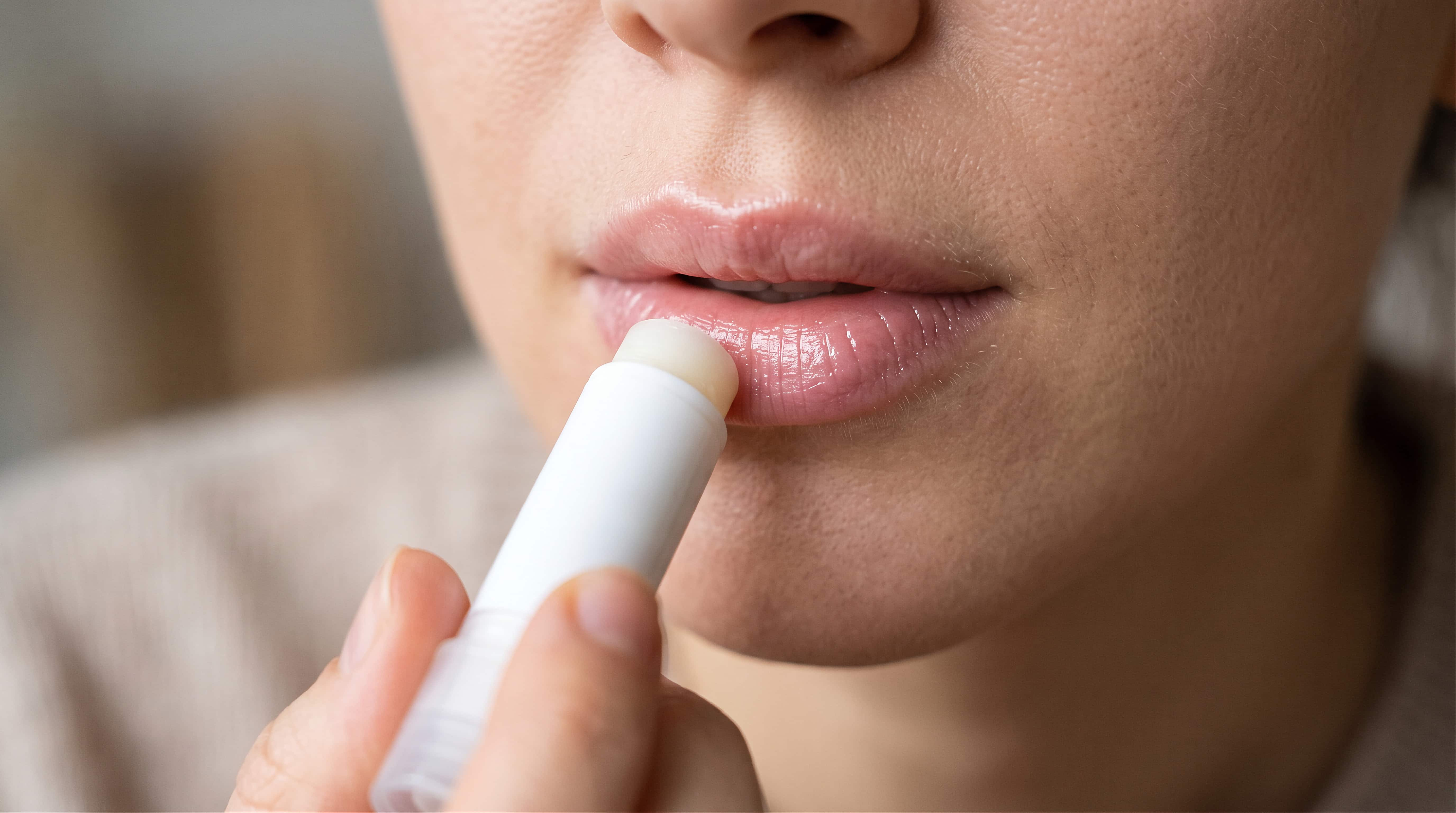
Japan is celebrated worldwide for its high-quality cosmetics, innovative skincare lines, and beautifully maintained botanical gardens. Shopping for beauty products in Tokyo or exploring nature trails in Kyoto are common highlights for many travelers. However, occasionally, introducing your skin to unfamiliar ingredients or local plants can lead to unexpected skin reactions.
If you find yourself dealing with an itchy, red patch of skin after testing a new lotion or brushing against foliage, you might be dealing with a common condition known as Contact Dermatitis. Before the itchiness disrupts your sightseeing, here is how you can manage the situation effectively during your stay.
Understanding the Causes and Symptoms
According to the Centers for Disease Control and Prevention (CDC) and the National Institutes of Health (NIH), contact dermatitis occurs when the skin reacts to a foreign substance. It is generally categorized into two forms:
- Irritant Contact Dermatitis: Often caused by the skin's protective layer coming into contact with harsh substances, such as certain preservatives or strong fragrances in new cosmetics.
- Allergic Contact Dermatitis: An immune response triggered by an allergen, which could be a specific cosmetic ingredient or sap from regional plants (such as the Japanese lacquer tree, or Urushi).
🩺 Medical Insight: The Inflammatory Response
Medical literature indexed by the NIH explains that when the skin encounters an offending agent, it can trigger an inflammatory cascade. This localized reaction often presents as redness, persistent itching, dry patches, and sometimes small bumps. It is generally considered best practice to identify and remove the triggering substance immediately. While avoiding the trigger is the first step, pharmacological intervention is often recommended to calm the immune response and facilitate skin recovery.

Immediate Self-Care in Japan
If you notice a rash developing, your first step should be to gently wash the affected area with mild soap and water to remove any residual product or plant oils. For immediate care, you can visit a local Japanese drugstore.
Many drugstores carry over-the-counter (OTC) products that may help calm the skin. You can look for mild anti-inflammatory medications or basic antihistamine creams designed for general itchiness. These OTC products are primarily intended for symptom relief rather than acting as a definitive cure. Please consult with a pharmacist or a registered seller at the store before purchasing.
The Tourist's Pain Point: When Symptoms Persist
While basic OTC creams may offer some symptom relief, they are often formulated with mild-to-moderate active ingredients. If your rash is particularly stubborn, spreading, or intensely itchy, you may require a higher-potency topical corticosteroid or targeted oral antihistamine.
This is where many foreign tourists face a significant challenge: stronger, targeted prescription allergy and skin medications require a doctor's consultation in Japan.
Attempting to visit a local dermatology clinic (Hifuka) can be a frustrating experience. You may encounter long waiting times that consume hours of your vacation, complex medical registration forms in Japanese, and a general lack of multilingual staff to communicate your specific symptoms clearly.
| Treatment Approach | Medical Efficacy | Considerations for Tourists |
|---|---|---|
| OTC Drugstore Creams | Low to Moderate. Suitable for mild symptom relief. | Language barriers when selecting products; often lacks the strength needed for persistent dermatitis. |
| Local Dermatology Clinic (Hifuka) | High. Comprehensive clinical assessment and appropriate prescription. | Can involve long wait times, complex paperwork, and communication challenges. |
| HOTEL de DOCTOR 24 (Online) | High. Professional visual assessment and prescription issuance when appropriate. | Highly Convenient: Offers comprehensive multilingual support and allows you to consult a doctor without leaving your hotel. |
Find Relief Easily with HOTEL de DOCTOR 24
You do not need to let an uncomfortable skin reaction ruin your itinerary. HOTEL de DOCTOR 24 bridges the gap, offering accessible telemedicine services designed specifically for travelers in Japan.
- Convenient Visual Consultations: Connect with a licensed doctor via your smartphone. The doctor can visually examine the rash to determine the appropriate course of action.
- Smooth Communication: Our service provides comprehensive multilingual support, ensuring that you can explain your symptoms and medical history comfortably and accurately.
- Prescription Access: If deemed medically appropriate, the doctor can issue a prescription for appropriate topical or oral medications, guiding you to a convenient local pharmacy for a quick pickup.

Q. Understanding the Causes and Symptoms
A. According to the Centers for Disease Control and Prevention (CDC) and the National Institutes of Health (NIH), contact dermatitis occurs when the skin reacts to a foreign substance. It is generally categorized into two forms: Irritant Contact Dermatitis: Often caused by the skin's protective layer coming into contact with harsh substances, such as certain preservatives or strong fragrances in new cosmetics. Allergic Contact Dermatitis: An immune response triggered by an allergen, which could be a specific cosmetic ingredient or sap from regional plants (such as the Japanese lacquer tree, or Urushi). 🩺 Medical Insight: The Inflammatory Response Medical literature indexed by the NIH explains that when the skin encounters an offending agent, it can trigger an inflammatory cascade. This localized reaction often presents as redness, persistent itching, dry patches, and sometimes small bumps. It is generally considered best practice to identify and remove the triggering substance immediately. While avoiding the trigger is the first step, pharmacological intervention is often recommended to calm the immune response and facilitate skin recovery.
Q. Immediate Self-Care in Japan
A. If you notice a rash developing, your first step should be to gently wash the affected area with mild soap and water to remove any residual product or plant oils. For immediate care, you can visit a local Japanese drugstore. Many drugstores carry over-the-counter (OTC) products that may help calm the skin. You can look for mild anti-inflammatory medications or basic antihistamine creams designed for general itchiness. These OTC products are primarily intended for symptom relief rather than acting as a definitive cure. Please consult with a pharmacist or a registered seller at the store before purchasing.
Q. The Tourist's Pain Point: When Symptoms Persist
A. While basic OTC creams may offer some symptom relief, they are often formulated with mild-to-moderate active ingredients. If your rash is particularly stubborn, spreading, or intensely itchy, you may require a higher-potency topical corticosteroid or targeted oral antihistamine. This is where many foreign tourists face a significant challenge: stronger, targeted prescription allergy and skin medications require a doctor's consultation in Japan. Attempting to visit a local dermatology clinic (Hifuka) can be a frustrating experience. You may encounter long waiting times that consume hours of your vacation, complex medical registration forms in Japanese, and a general lack of multilingual staff to communicate your specific symptoms clearly. Treatment Approach Medical Efficacy Considerations for Tourists OTC Drugstore Creams Low to Moderate. Suitable for mild symptom relief. Language barriers when selecting products; often lacks the strength needed for persistent dermatitis. Local Dermatology Clinic (Hifuka) High. Comprehensive clinical assessment and appropriate prescription. Can involve long wait times, complex paperwork, and communication challenges. HOTEL de DOCTOR 24 (Online) High. Professional visual assessment and prescription issuance when appropriate. Highly Convenient: Offers comprehensive multilingual support and allows you to consult a doctor without leaving your hotel.
Is an unexpected rash disrupting your travel plans?
Visit HOTEL de DOCTOR 24 at https://www.hoteldedoctor24.com for an immediate online medical consultation.
Take care of your skin, find relief quickly, and get back to discovering the beauty of Japan comfortably!
For Further Information & Official Guidance
- CDC: Dermatologic Conditions in Travelers - Visit CDC Site
- NIH (StatPearls): Contact Dermatitis Overview - Visit NIH Site
Disclaimer: This article provides general medical information. If you experience severe symptoms, such as difficulty breathing, swelling of the face or throat, or if the rash spreads rapidly over your body, please call 119 for an ambulance immediately as this may indicate a severe allergic reaction.
※ Please note that our services and pricing are subject to change without prior notice. For the most accurate and up-to-date information, please refer to our website and Terms of Service.