Travel Headaches in Japan: Fast Consultations from Your Hotel Room
Conclusion: If tension headaches from travel stress disrupt your trip in Japan, you can consult an online doctor for fast, multilingual support without leaving your hotel room.
Reason & Evidence: The physical exhaustion of navigating busy transit systems and carrying luggage frequently triggers muscle-contraction headaches. While local pharmacies offer basic options for symptom relief, a professional medical evaluation via HOTEL de DOCTOR 24 helps determine whether prescription medications are appropriate for your condition, supporting a safe and timely recovery so you can get back to your trip.
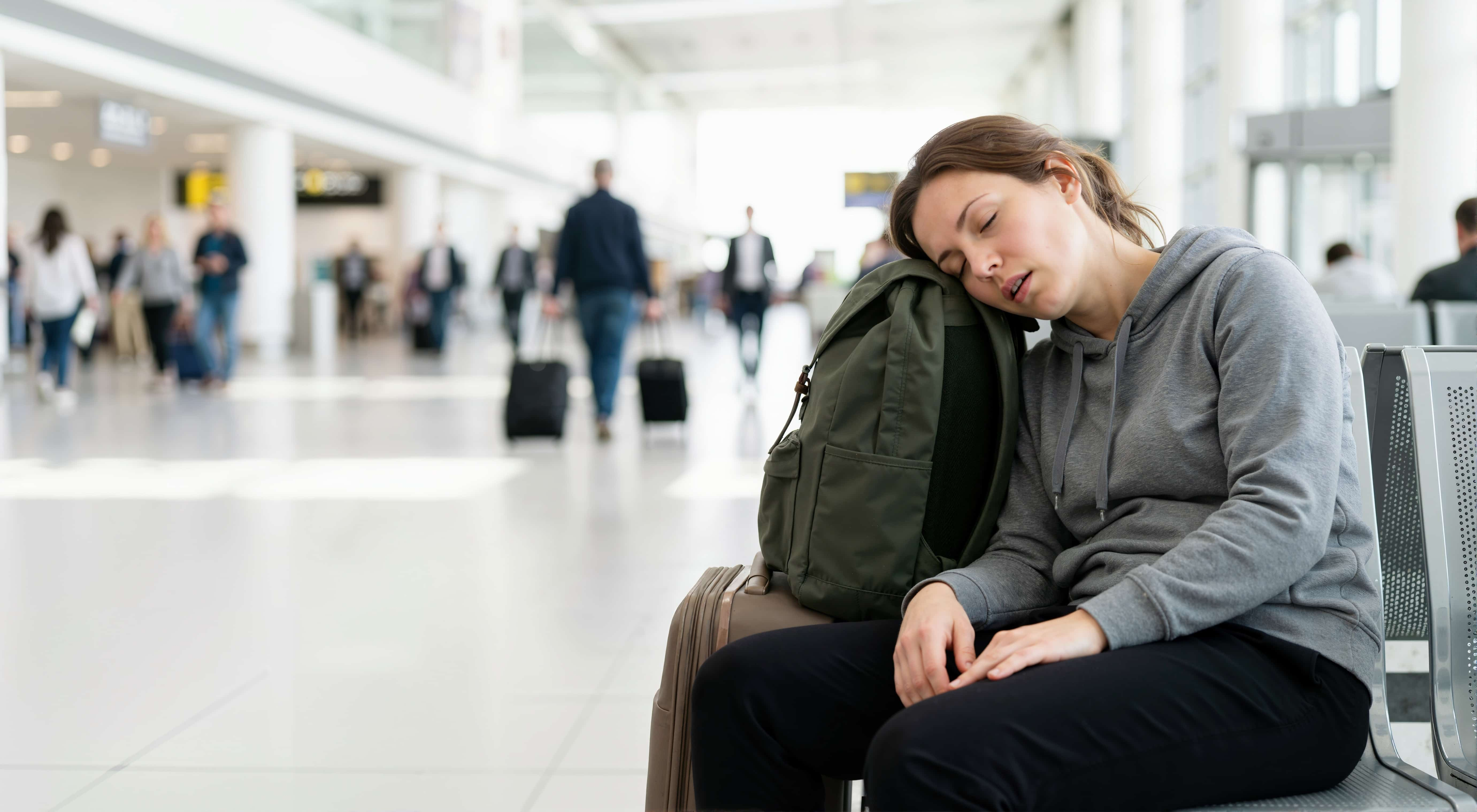
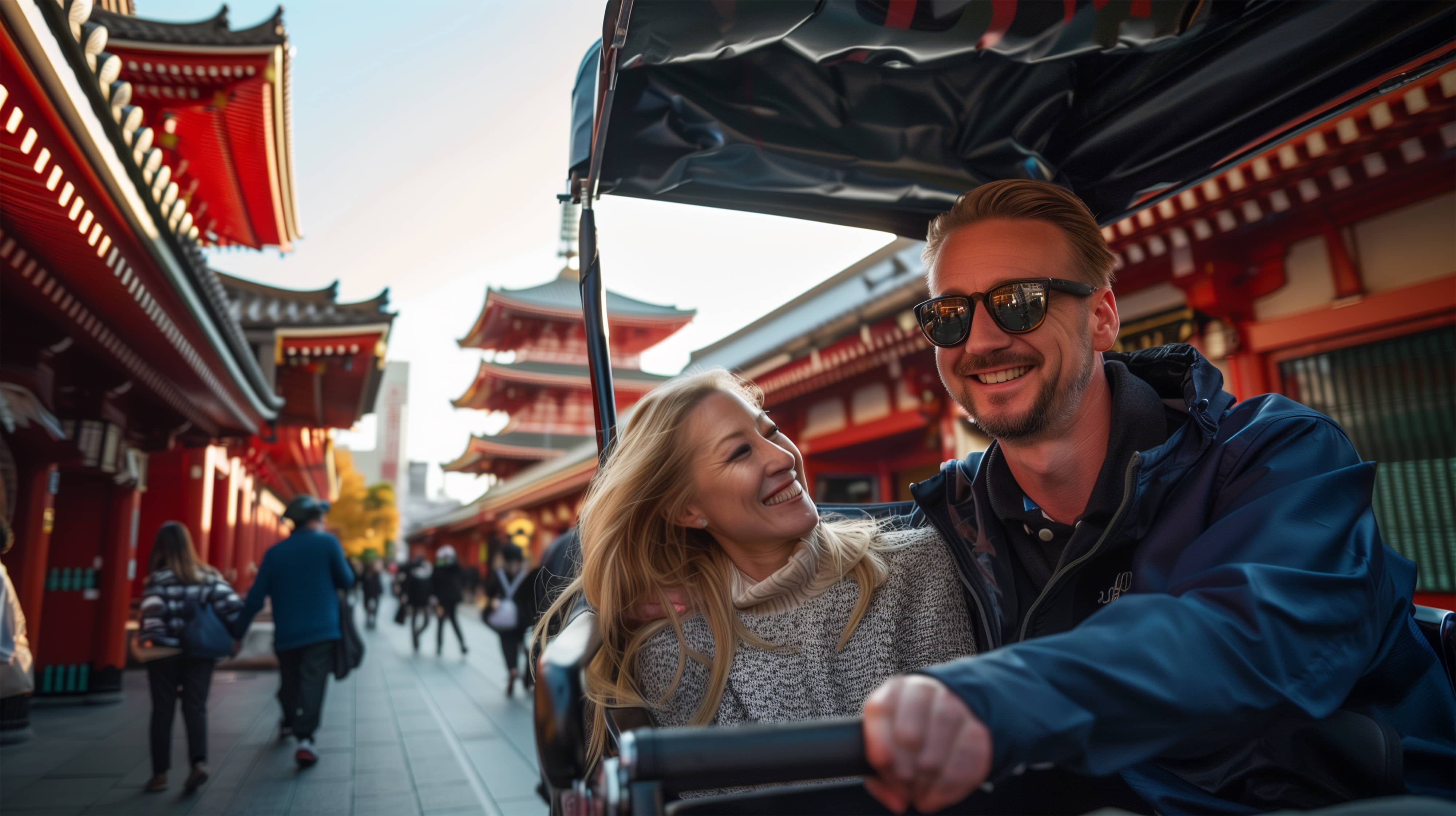
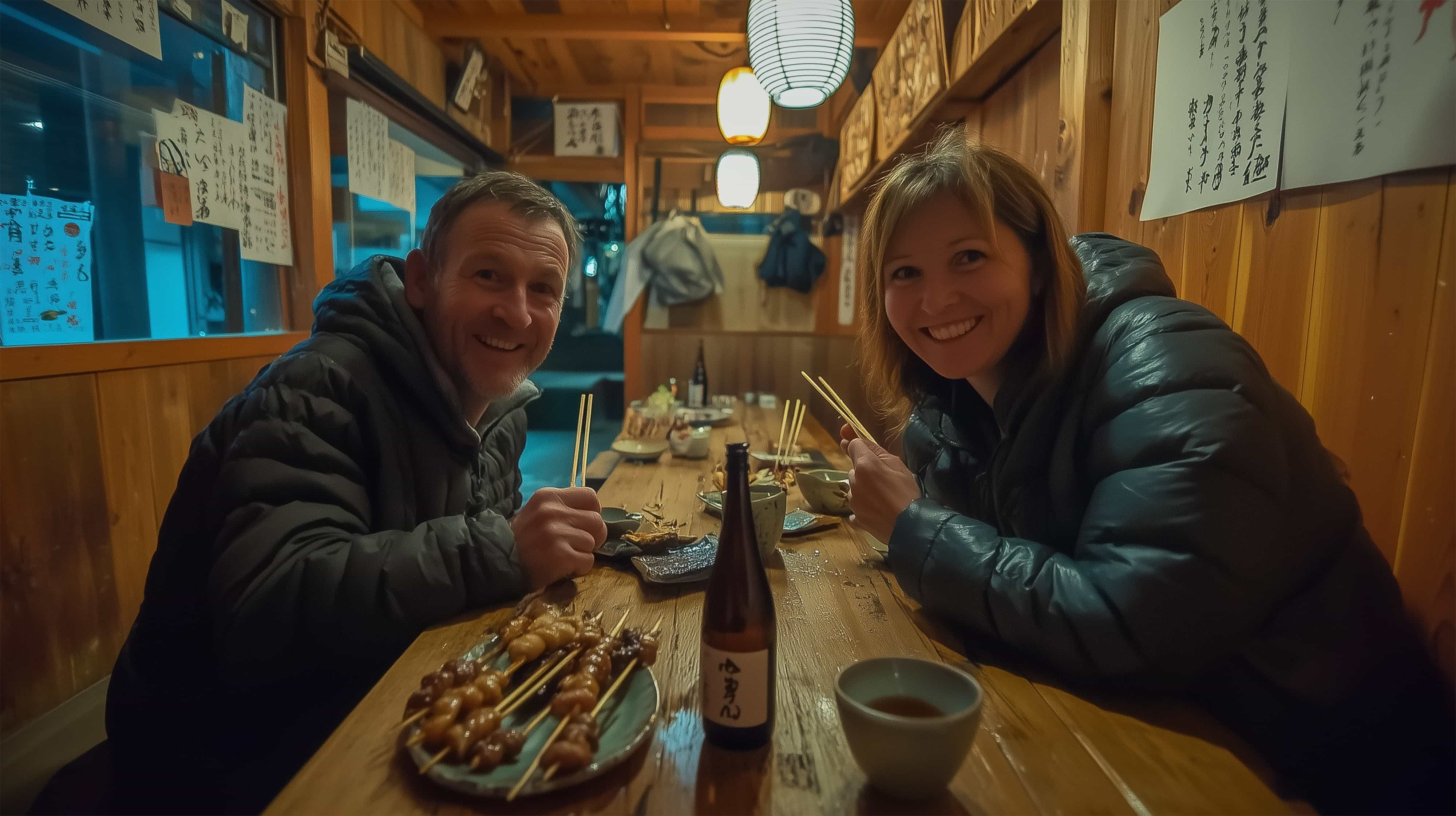
Japan offers an endless array of fascinating experiences, from the serene temples of Kyoto and world-class cuisine to the bustling, neon-lit streets of Tokyo. However, attempting to experience it all on a tight schedule can take a physical toll. Navigating complex train stations, walking through large crowds, and carrying heavy luggage up and down stairs often lead to an accumulation of physical and mental fatigue.
If you find yourself back at your hotel with a dull, aching pain wrapping around your head, you may be experiencing a tension headache. Travel stress is a common trigger, and knowing how to manage it in an unfamiliar healthcare environment can help you recover smoothly.
Understanding Tension Headaches and Travel Stress
According to the National Institutes of Health (NIH), tension-type headaches are the most prevalent form of headache in adults. They are typically described as a mild to moderate, bilateral pressing or tightening sensation—often compared to a tight band around the head—and may be accompanied by tenderness in the scalp, neck, and shoulder muscles.
🩺 Medical Insight: Why Travel Triggers Tension Headaches
Medical literature indexed by the NIH suggests that tension headaches are associated with heightened muscle tension and pericranial tenderness in the head and neck regions. During travel, these factors can be aggravated by sustained awkward posture (such as sleeping upright on long flights or carrying heavy backpacks), physical exhaustion, and the psychological stress of navigating a new environment. Furthermore, the Centers for Disease Control and Prevention (CDC) notes that dehydration—which commonly occurs when travelers skip drinking water during busy sightseeing days—can contribute to headache discomfort. While mild anti-inflammatory medications may offer temporary symptom relief, persistent headaches warrant a medical evaluation to assess for other potential causes and discuss appropriate treatment options.
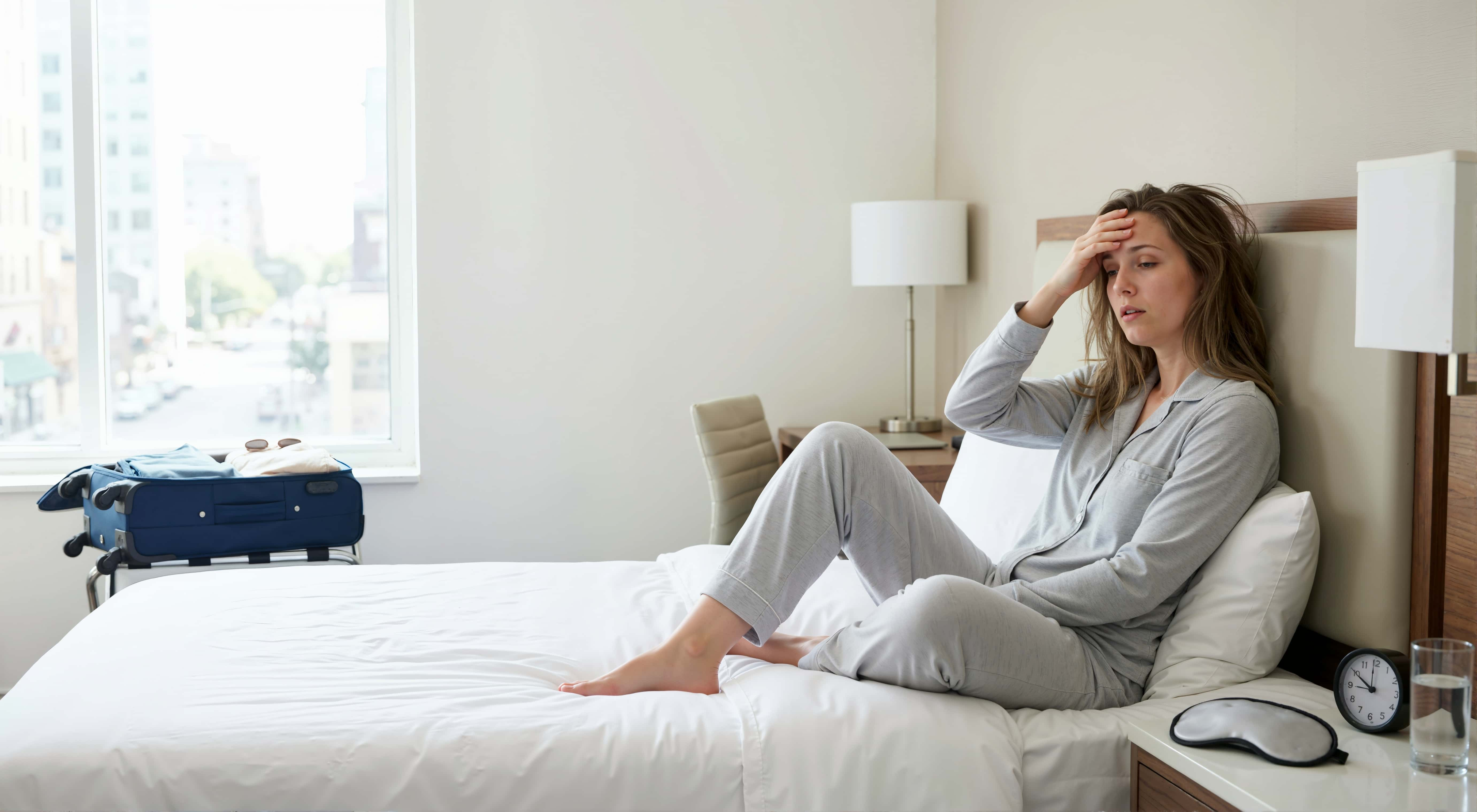
Self-Care Strategies in Japan
If you feel a mild tension headache developing, there are several accessible ways to rest and support symptom relief using Japan's local conveniences:
- Hydration: Stop by any vending machine or convenience store (such as 7-Eleven, FamilyMart, or Lawson) and pick up water or an electrolyte drink like Pocari Sweat to stay well hydrated.
- Thermal & Cooling Relief: Convenience stores and drugstores sell MegRhythm Steam Eye Masks for gentle warmth around tired eyes, as well as cooling gel sheets (such as Hie-Pita) that can be placed on the forehead or back of the neck.
- Over-The-Counter (OTC) Options: You can visit a local Japanese pharmacy (Yakkyoku) to look for mild anti-inflammatory medications, which may provide temporary symptom relief for mild headaches. Please consult with a pharmacist or a registered seller at the store before purchasing.
The Traveler's Dilemma: When OTC Relief is Not Enough
While rest and self-care may ease a mild headache, a persistent tension headache can disrupt your travel itinerary. When seeking further medical care, foreign visitors often face several practical challenges in Japan:
- The Language Barrier: Explaining the specific nature, duration, and triggers of your headache to pharmacy or clinic staff can be difficult without fluency in Japanese.
- Prescription Limitations: Prescription-strength or targeted medications for severe headaches require a doctor’s prescription and cannot be purchased over the counter in Japan.
- Clinic Wait Times: Visiting a local clinic or hospital often involves filling out detailed medical forms in Japanese, waiting in crowded waiting rooms, and navigating limited multilingual availability while you are not feeling well.
| Treatment Approach | Medical Efficacy | Drawbacks / Challenges for Tourists |
|---|---|---|
| OTC Mild Anti-inflammatory Medications | Low to Moderate. Good for temporary symptom relief. | Language barrier when choosing products; may not be sufficient for persistent travel-induced headaches. |
| Local Japanese Clinic or Hospital | High. Accurate diagnosis and proper prescription. | Long waiting times, complex paperwork, and potentially difficult communication barriers. |
| HOTEL de DOCTOR 24 (Online) | High. Fast video evaluation and appropriate prescription guidance when clinically indicated. | Physical exams and diagnostic tests cannot be performed; in-person care may still be needed for severe or complex symptoms. |
Fast Relief with HOTEL de DOCTOR 24
When rest and hydration are not enough, you do not have to spend hours sitting in a clinic waiting room. HOTEL de DOCTOR 24 offers a convenient online medical consultation service designed for travelers in Japan.
- Consult from Your Room: Speak with a licensed doctor via a video call on your smartphone while resting comfortably in your quiet hotel room.
- Multilingual Support: Our service is supported in multiple languages, helping you communicate your symptoms clearly and understand the doctor's advice with ease.
- Prescription Guidance: If necessary, the doctor can prescribe appropriate medications to help manage your headache and send a prescription for pickup at a nearby local pharmacy.

Q. Understanding Tension Headaches and Travel Stress
A. According to the National Institutes of Health (NIH), tension-type headaches are the most prevalent form of headache in adults. They are typically described as a mild to moderate, bilateral pressing or tightening sensation—often compared to a tight band around the head—and may be accompanied by tenderness in the scalp, neck, and shoulder muscles. 🩺 Medical Insight: Why Travel Triggers Tension Headaches Medical literature indexed by the NIH suggests that tension headaches are associated with heightened muscle tension and pericranial tenderness in the head and neck regions. During travel, these factors can be aggravated by sustained awkward posture (such as sleeping upright on long flights or carrying heavy backpacks), physical exhaustion, and the psychological stress of navigating a new environment. Furthermore, the Centers for Disease Control and Prevention (CDC) notes that dehydration—which commonly occurs when travelers skip drinking water during busy sightseeing days—can contribute to headache discomfort. While mild anti-inflammatory medications may offer temporary symptom relief, persistent headaches warrant a medical evaluation to assess for other potential causes and discuss appropriate treatment options.
Q. Self-Care Strategies in Japan
A. If you feel a mild tension headache developing, there are several accessible ways to rest and support symptom relief using Japan's local conveniences: Hydration: Stop by any vending machine or convenience store (such as 7-Eleven, FamilyMart, or Lawson) and pick up water or an electrolyte drink like Pocari Sweat to stay well hydrated. Thermal & Cooling Relief: Convenience stores and drugstores sell MegRhythm Steam Eye Masks for gentle warmth around tired eyes, as well as cooling gel sheets (such as Hie-Pita) that can be placed on the forehead or back of the neck. Over-The-Counter (OTC) Options: You can visit a local Japanese pharmacy (Yakkyoku) to look for mild anti-inflammatory medications, which may provide temporary symptom relief for mild headaches. Please consult with a pharmacist or a registered seller at the store before purchasing.
Q. The Traveler's Dilemma: When OTC Relief is Not Enough
A. While rest and self-care may ease a mild headache, a persistent tension headache can disrupt your travel itinerary. When seeking further medical care, foreign visitors often face several practical challenges in Japan: The Language Barrier: Explaining the specific nature, duration, and triggers of your headache to pharmacy or clinic staff can be difficult without fluency in Japanese. Prescription Limitations: Prescription-strength or targeted medications for severe headaches require a doctor’s prescription and cannot be purchased over the counter in Japan. Clinic Wait Times: Visiting a local clinic or hospital often involves filling out detailed medical forms in Japanese, waiting in crowded waiting rooms, and navigating limited multilingual availability while you are not feeling well. Treatment Approach Medical Efficacy Drawbacks / Challenges for Tourists OTC Mild Anti-inflammatory Medications Low to Moderate. Good for temporary symptom relief. Language barrier when choosing products; may not be sufficient for persistent travel-induced headaches. Local Japanese Clinic or Hospital High. Accurate diagnosis and proper prescription. Long waiting times, complex paperwork, and potentially difficult communication barriers. HOTEL de DOCTOR 24 (Online) High. Fast video evaluation and appropriate prescription guidance when clinically indicated. Physical exams and diagnostic tests cannot be performed; in-person care may still be needed for severe or complex symptoms.
Is a travel headache preventing you from enjoying your trip?
Visit HOTEL de DOCTOR 24 at https://www.hoteldedoctor24.com for an immediate online medical consultation.
Take care of your health, rest well, and return to making wonderful memories in Japan!
For Further Information & Official Guidance
- NIH (National Institutes of Health): Tension-Type Headache Overview - View Article
- CDC (Centers for Disease Control and Prevention): Getting Health Care Abroad - View Article
Disclaimer: This article provides general medical information. If you experience severe or unusual symptoms—such as a sudden, explosive headache, confusion, vision changes, weakness, or a stiff neck—please call 119 for an ambulance immediately.
※ Please note that our services and pricing are subject to change without prior notice. For the most accurate and up-to-date information, please refer to our website and Terms of Service.