Safe Soaking: A Guide to Japanese Onsen for International Travelers

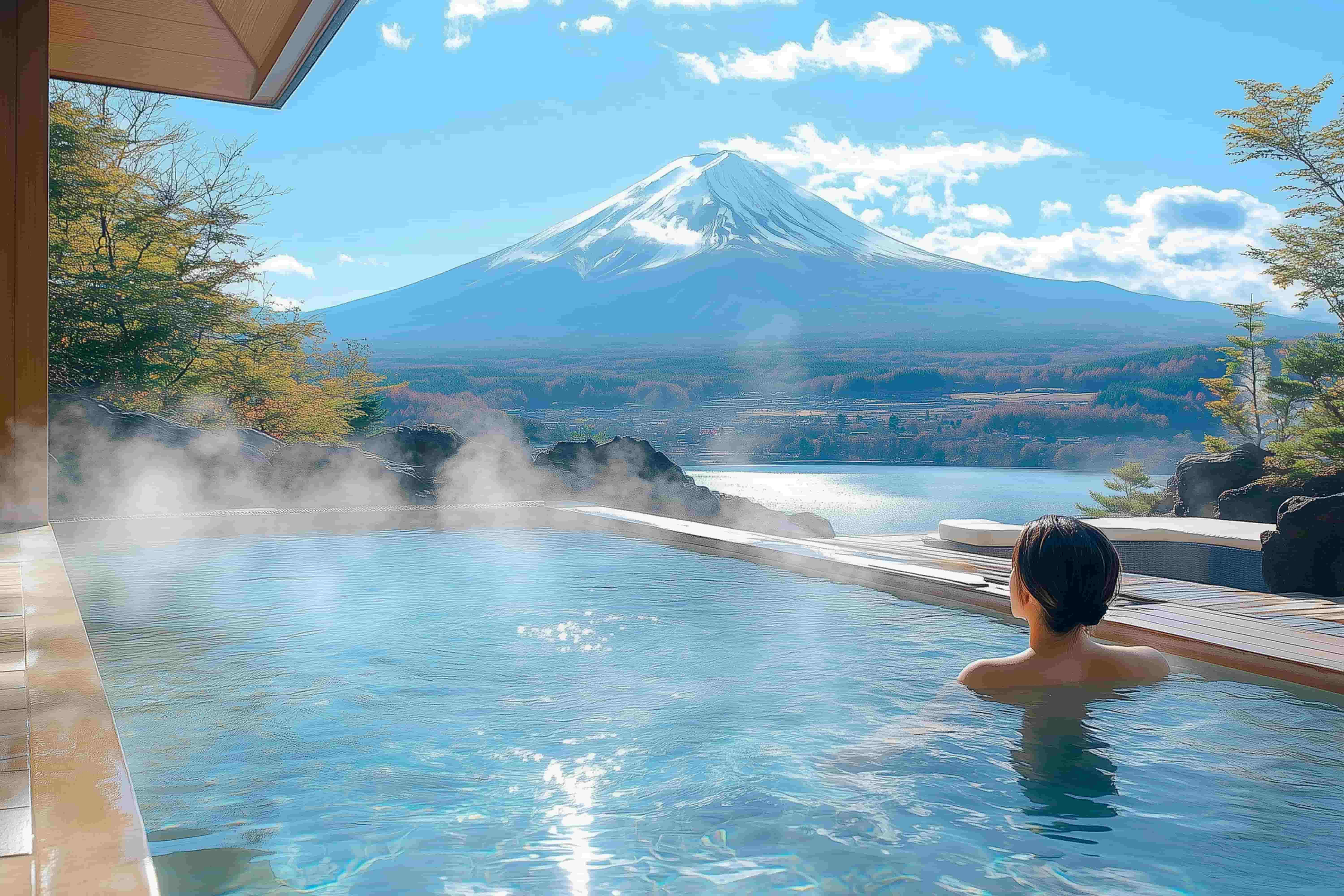
Traditional Japanese outdoor onsen hot spring bath surrounded by natural rocks and steam

Visiting a Japanese onsen (hot spring) is often a highlight for many travelers. The mineral-rich waters and beautiful settings offer deep relaxation and numerous health benefits. However, as a sick tourist in Japan, a misunderstood onsen experience can lead to health issues like dizziness, dehydration, or skin irritation. To ensure your trip remains enjoyable, it's vital to follow the official health guidelines established by Japanese authorities.

This guide, based on recommendations from the Ministry of the Environment and the Japan Spa Association, explains what to do if sick in Japan due to onsen usage and how to navigate the experience safely.

Bathing Guidelines for Your Health

Japanese hot springs are powerful, and their high temperatures and mineral content affect your body more than a standard bath. Follow these three phases for a safe soak.

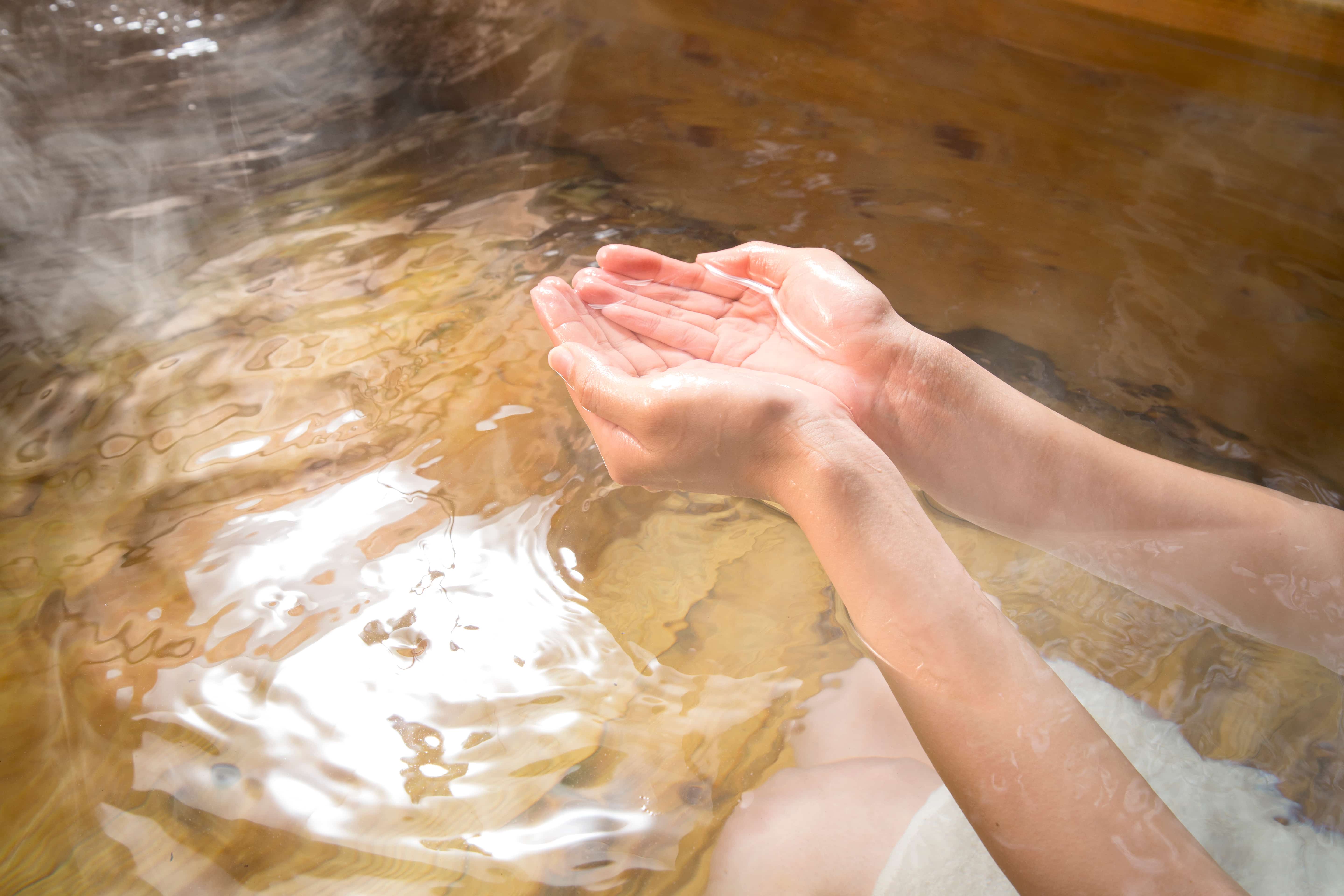
Traveler preparing for onsen bath with traditional Japanese washing area and wooden buckets

Phase 1: Before You Enter

  • Hydrate First: Drink a glass or two of water before entering to prevent dehydration.
  • Rest After Arrival: After a long journey, wait 30 to 60 minutes before bathing.
  • Avoid Alcohol: Never bathe immediately after consuming alcohol, as it increases the risk of falls and sudden drops in blood pressure.
  • Check Your Condition: If you have a fever or are feeling unwell, skip the onsen.

Phase 2: During the Bath

  • "Kake-yu" is Vital: Use the buckets provided to pour warm water over your hands and feet first, then slowly toward your chest. This helps your heart acclimate to the temperature.
  • Start with a Half-Body Bath: Soak only your lower half initially to minimize strain on your heart and lungs.
  • Watch the Clock: Avoid long soaks. Ten to fifteen minutes is usually sufficient. Exit the bath if you start to feel lightheaded (yunobose).

Phase 3: After Your Bath

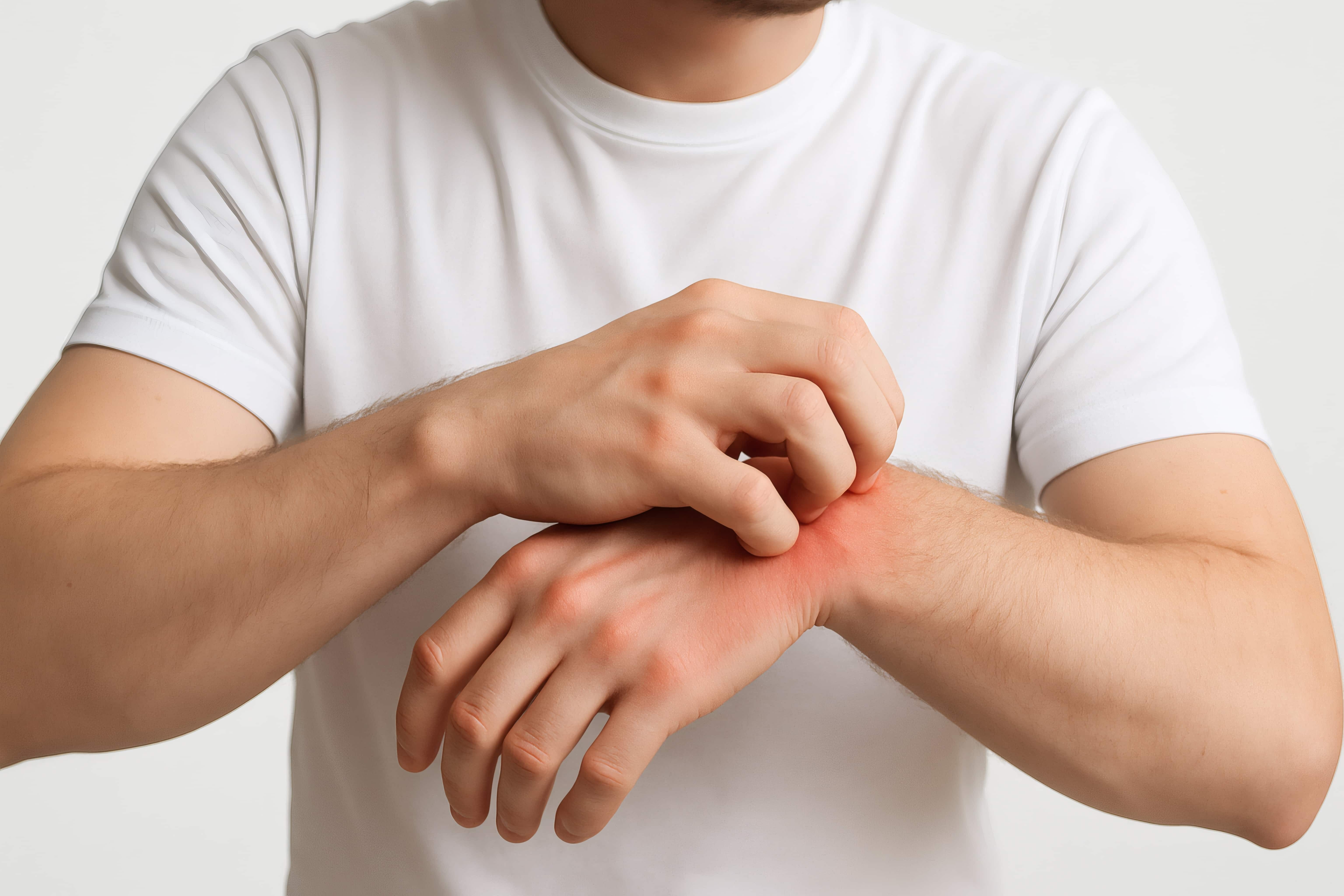
  • Rinse Off If Necessary: While leaving minerals on your skin is often beneficial, you must rinse off with a shower if you were in strongly acidic or sulfurous springs (common in places like Kusatsu or Tamagawa). Leaving these potent minerals on sensitive skin can cause "onsen-kabure" (hot spring dermatitis).
  • Rest and Rehydrate: Rest for at least 30 minutes and drink plenty of water or tea.

Common Issues: When the Onsen Doesn't Agree with You

Even with precautions, you might experience issues.

  • Onsen-kabure (Skin Rash): Itchy, red, or burning skin caused by high acidity or sulfur
  • Yunobose (Heat Dizziness): Feeling faint or nauseous after a long soak
  • Fever or Fatigue: A systemic reaction to the mineral content, often called "yu-atari"
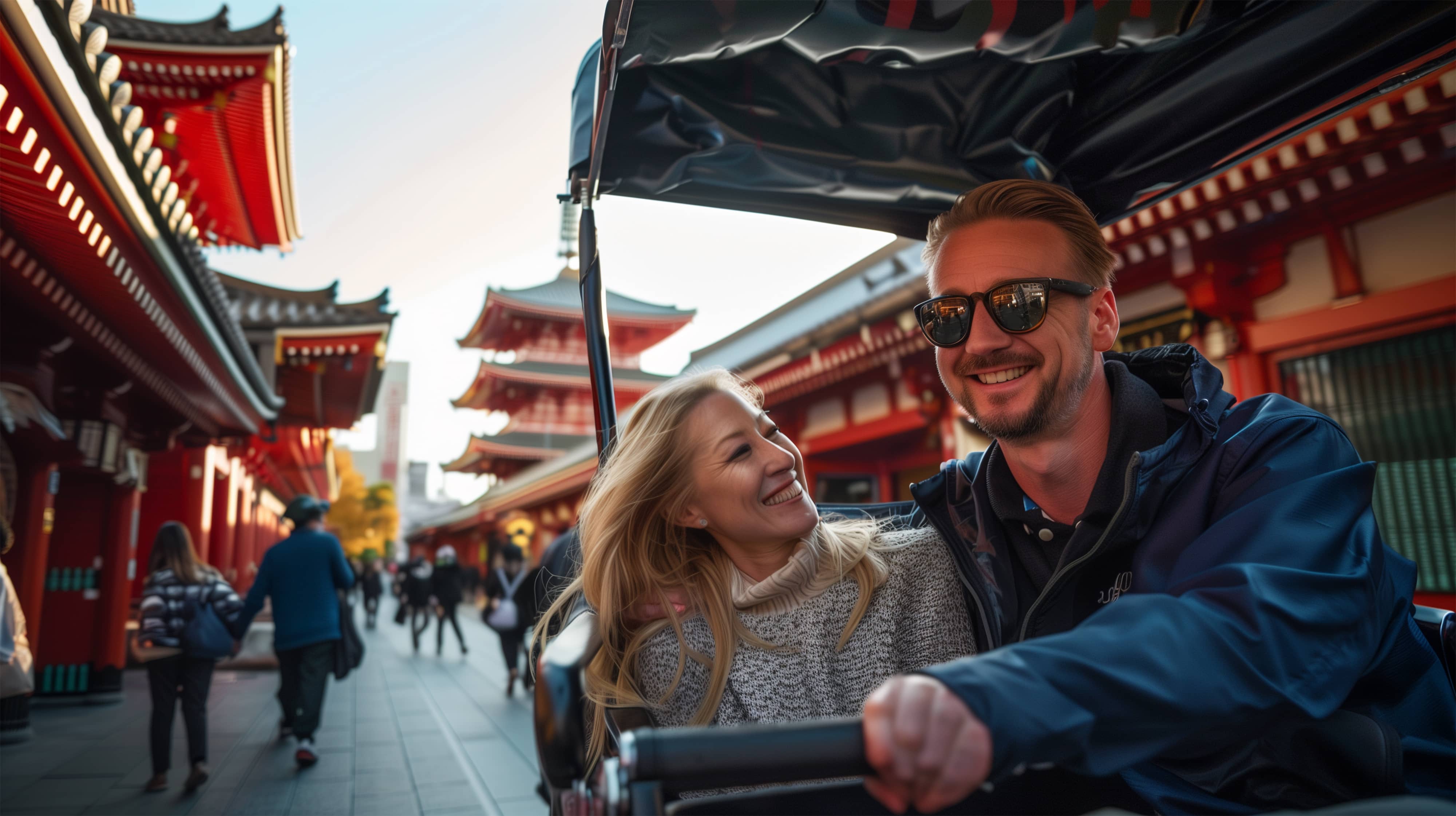
Remote Japanese mountain onsen town with traditional ryokan buildings and hot spring steam

The Challenge: Finding Help in Remote Onsen Towns

Many of Japan's best hot springs are in remote rural areas. If you experience a severe skin reaction or feel unwell, finding a nearby medical clinic or a nearby clinic that is open now can be difficult. You may struggle to find an English-speaking doctor or waste hours traveling to a city hospital when you are already in pain or feeling weak.

The Modern Solution: HOTEL de DOCTOR 24

This is where an online medical service in Japan is essential. HOTEL de DOCTOR 24 allows you to receive professional medical care right from your hotel or ryokan room.

  • Consult from Your Room: Don't worry about traveling to a medical clinic while you are dizzy or have a painful rash. Your online doctor consultation happens via your smartphone.
  • Speak with an English-Speaking Doctor: Explain your symptoms—like "burning skin" or "extreme dizziness"—to an English-speaking doctor clearly through a professional interpreter. It's a reliable way to see a Japanese doctor without the language barrier.
  • Get Prescriptions for Skin Care: If you have severe onsen-kabure, have a doctor take a look.
  • Medical Certificate for Travel Insurance: If you need to cancel tours or extend your stay due to illness, you can get a medical certificate online to claim your insurance expenses.

Conclusion: Soak Safely and Enjoy

Being a sick tourist in Japan shouldn't ruin your trip. By following the "ABCs" of onsen usage, you can enjoy the healing power of Japan's waters safely. But if the minerals prove too much for your system, remember that HOTEL de DOCTOR 24 provides a fast, English-friendly safety net.

Relax, rejuvenate, and travel with peace of mind!

For Further Information & Official Guidance

  • Ministry of the Environment: "The ABCs for the Safe and Secure Use of Onsen" - The official national guide for hot spring usage in Japan. View PDF
  • Japan Spa Association: "Caution for using onsen (bathing)" - Specific health precautions and contraindications. Visit Site
  • Japan National Tourism Organization (JNTO): "Guide for when you are feeling ill" - General health advice for travelers. Visit Site

Disclaimer: This article is for informational purposes and is not a substitute for professional medical advice. If you have severe symptoms like chest pain, fainting, or high fever, please call 119 for an ambulance immediately.