Sunburned in the Snow? A Tourist's Guide to "Snowburn" & Snow Blindness in Japan
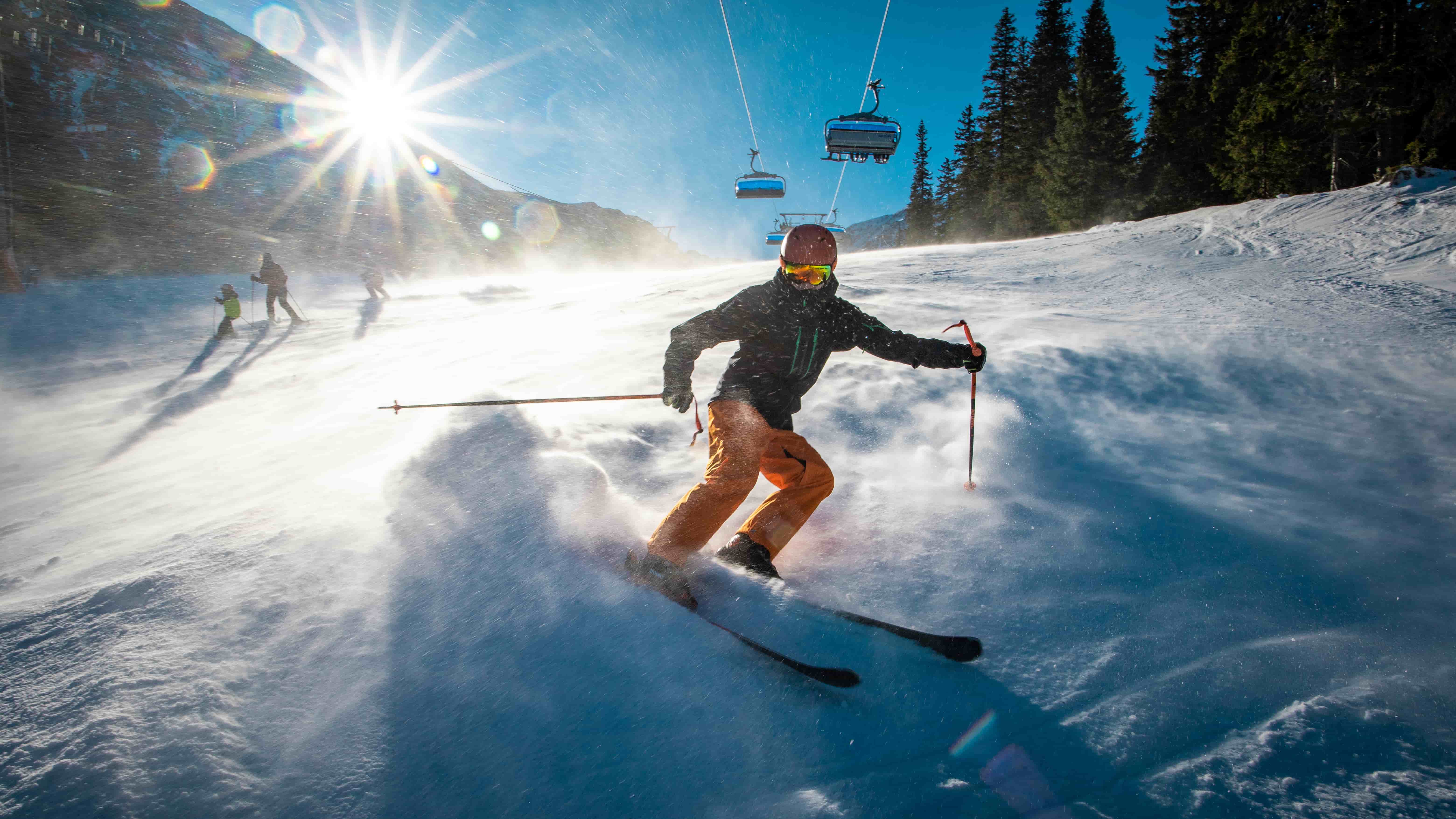
You came to Japan for the legendary powder snow in Niseko, Hakuba, or Zao. You spent an amazing day on the slopes under a bright blue sky. But that night, you look in the mirror and see a bright red face staring back at you. Your skin feels like it's on fire, and your eyes feel gritty and painful.
This is "Snowburn" and possibly "Snow Blindness." Many tourists underestimate the sun in winter, but the combination of altitude and reflective snow can cause severe damage. As a sick tourist in Japan, dealing with painful burns or eye issues can ruin your ski trip. This guide explains why this happens, what to do if sick in Japan with these symptoms, and how to get help quickly.
Why Is the Sun So Dangerous in Winter?
According to the U.S. Environmental Protection Agency (EPA) and the CDC, winter sports pose a unique risk for UV exposure.
- Reflection: Snow reflects up to 80% of the sun's UV rays. This means you are being hit by the sun from above and below, nearly doubling your exposure.
- Altitude: UV radiation increases by about 2% to 10% for every 1,000 feet (approx. 300 meters) of elevation. On a Japanese mountain peak, the sun is significantly stronger than at sea level.
Symptoms: Recognizing Snowburn & Snow Blindness
The damage often isn't visible until hours after you've left the slopes.
1. Severe Skin Burn (Snowburn)
- Red, hot, and painful skin (especially on the face, nose, and chin)
- Blistering or swelling
- "Sun Poisoning" symptoms: If the burn is severe, you may experience fever, chills, nausea, headache, and dizziness. This is a systemic reaction and requires medical attention.
2. Eye Damage (Snow Blindness / Photokeratitis)
This is essentially a sunburn on your eyes (cornea).
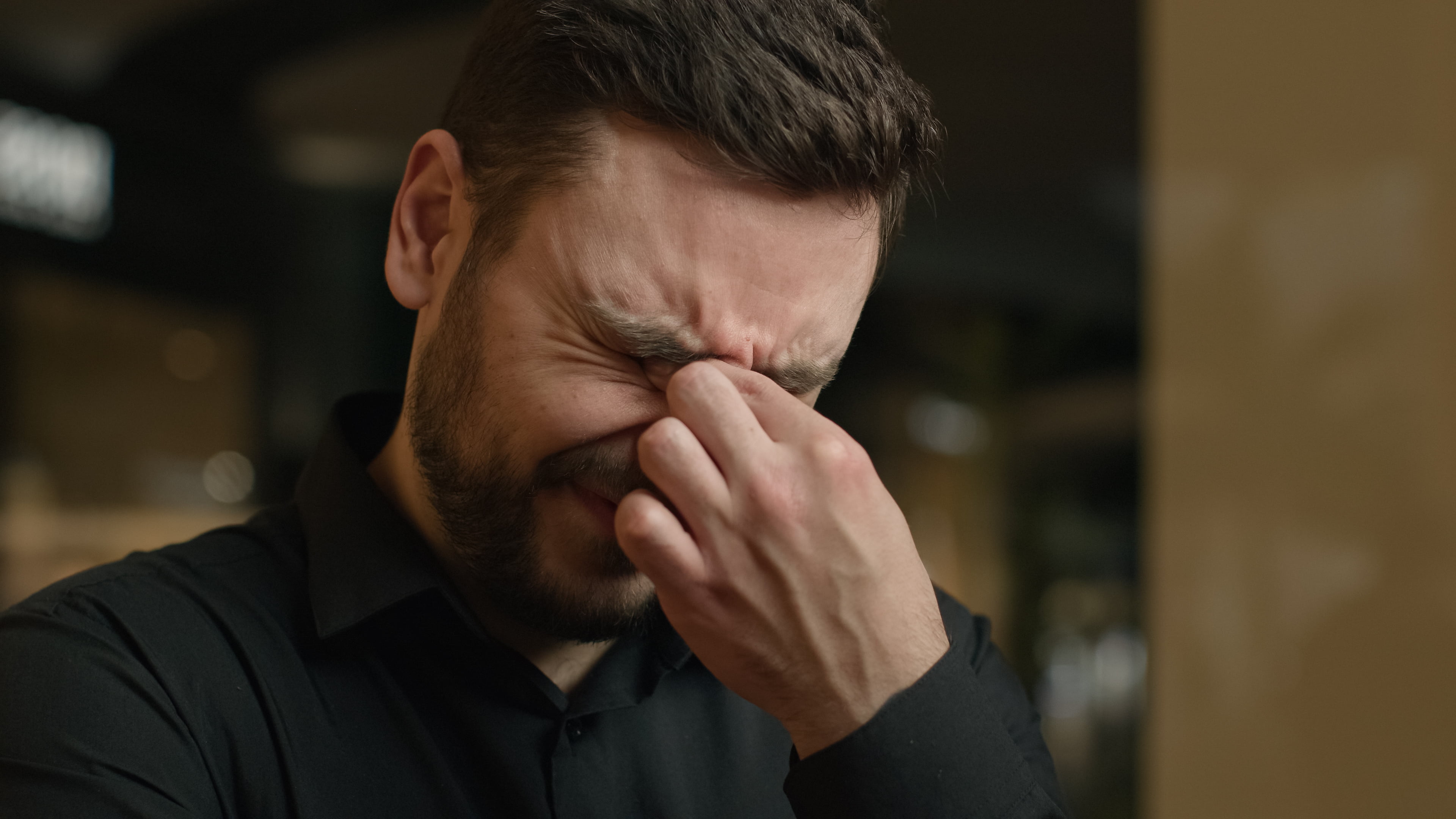
- Pain and redness in the eyes
- A gritty feeling, like there is sand in your eyes
- Extreme sensitivity to light (photophobia)
- Blurry vision or tearing
Immediate Self-Care in Japan
If your symptoms are mild, you can treat them with items from a Japanese drugstore (Yakkyoku).
For Your Skin
- Cool the skin: Use a cold, damp towel or cooling sheets (reikyaku shiito).
- Moisturize: Look for Aloe Vera gel or lotions containing "Calamine" to protect the skin.
- Hydrate: Drink plenty of water to help your body recover.
For Your Eyes (Snow Blindness)
- Remove contact lenses immediately.
- Stay in a dark room and avoid bright lights.
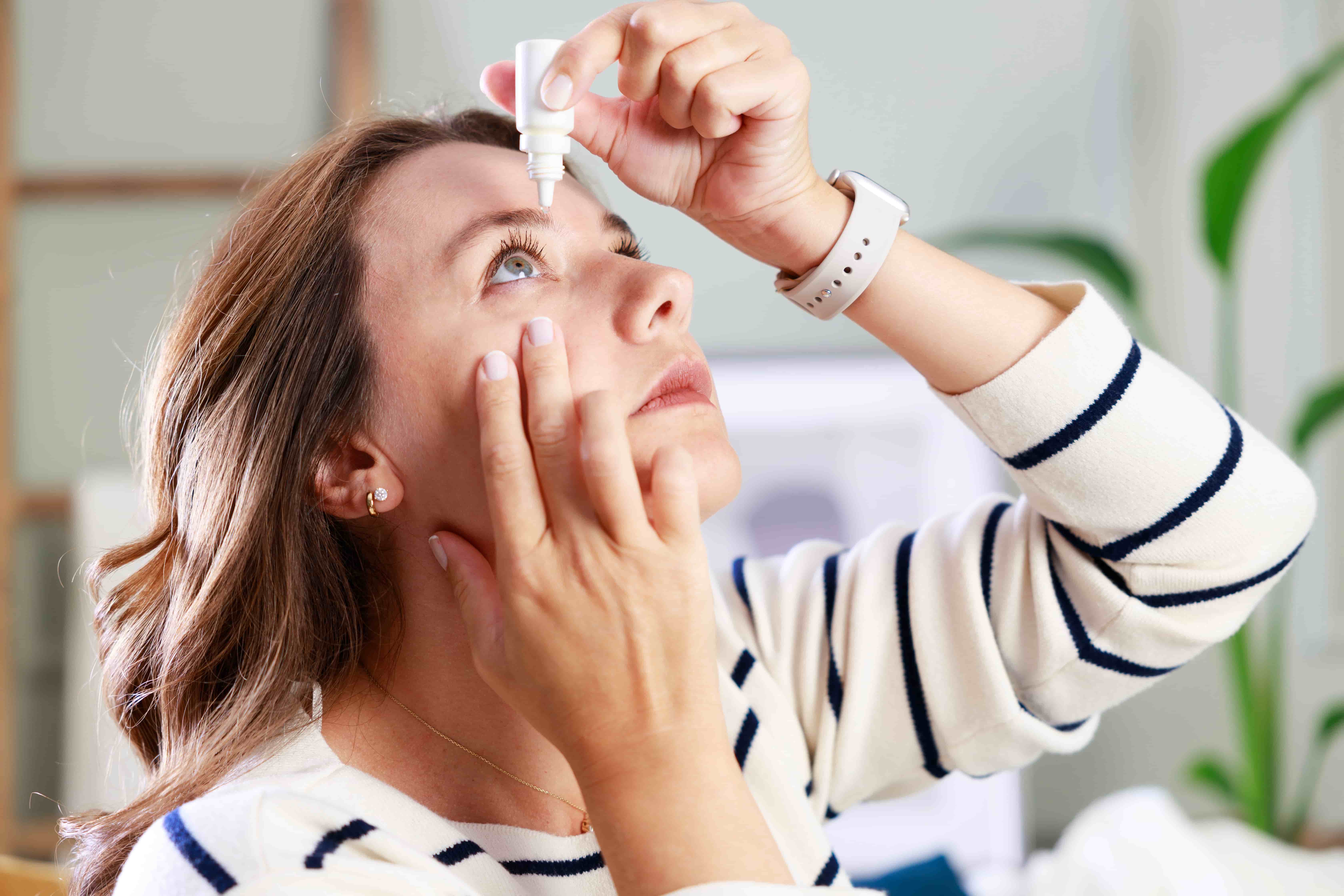
- Use Lubricating Eye Drops Look for "Artificial Tears" (人工涙液 - jinkō ruieki) at the drugstore. Avoid drops that claim to "remove redness" as they can irritate damaged eyes. Preservative-free drops are best.
When to See a Doctor (And Why It's Difficult)
You should seek medical help if you have:
- Large blisters on your skin
- High fever, confusion, or severe dehydration (signs of sun poisoning)
- Severe eye pain or vision loss that doesn't improve
The Challenge: Ski resorts are often in rural areas. Finding a nearby medical clinic that specializes in dermatology or ophthalmology—and has an English-speaking doctor—can be nearly impossible in a mountain village. You don't want to travel hours to a city hospital while you are in pain.
The Convenient Solution: HOTEL de DOCTOR 24
If you are suffering from severe snowburn or snow blindness, HOTEL de DOCTOR 24 provides a fast and effective way to get medical treatment without leaving your lodge or hotel.
- Consult from Your Room: No need to go out into the cold. Have an online doctor consultation from your bed.
- Expert Advice in English: Speak directly to an English-speaking doctor who can assess if your fever is just from the sunburn or something else.
- Medical Certificate: If you are too unwell to ski for the rest of your trip or need to cancel activities, the doctor can issue a medical certificate online for insurance purposes.
Conclusion: Don't Let the Sun Freeze Your Plans
Snowburn is painful, but with the right care, you can recover. Prevention (sunscreen and goggles) is key, but if you do get burned, don't suffer in silence.
Use HOTEL de DOCTOR 24 to get professional medical advice and prescription relief so you can get back to enjoying your winter vacation in Japan.
In pain from the sun or snow glare? Get professional help instantly.
Visit HOTEL de DOCTOR 24 at https://www.hoteldedoctor24.com to arrange your online doctor consultation.
Stay safe on the slopes!
For Further Information & Official Guidance
This article is based on information from public health authorities. For more detailed information, please consult these primary sources:
- [1] U.S. Centers for Disease Control and Prevention (CDC): "Sun Exposure" - Information on UV risks for travelers. Visit the CDC Page
- [2] U.S. Environmental Protection Agency (EPA): "Sun Safety" - Tips on how to protect yourself from UV radiation. Visit the EPA Page
- Japan National Tourism Organization (JNTO): "Guide for when you are feeling ill" - A practical resource for any health-related issue a tourist might face. View the JNTO Guide
Disclaimer: This article provides general information and is not a substitute for professional medical advice. If you experience severe symptoms like fainting, high fever (over 39°C), or vision loss, please call 119 for an ambulance immediately.