Surviving Japanese Trains: Preventing Winter “Heat Shock” & Rush Hour Sickness

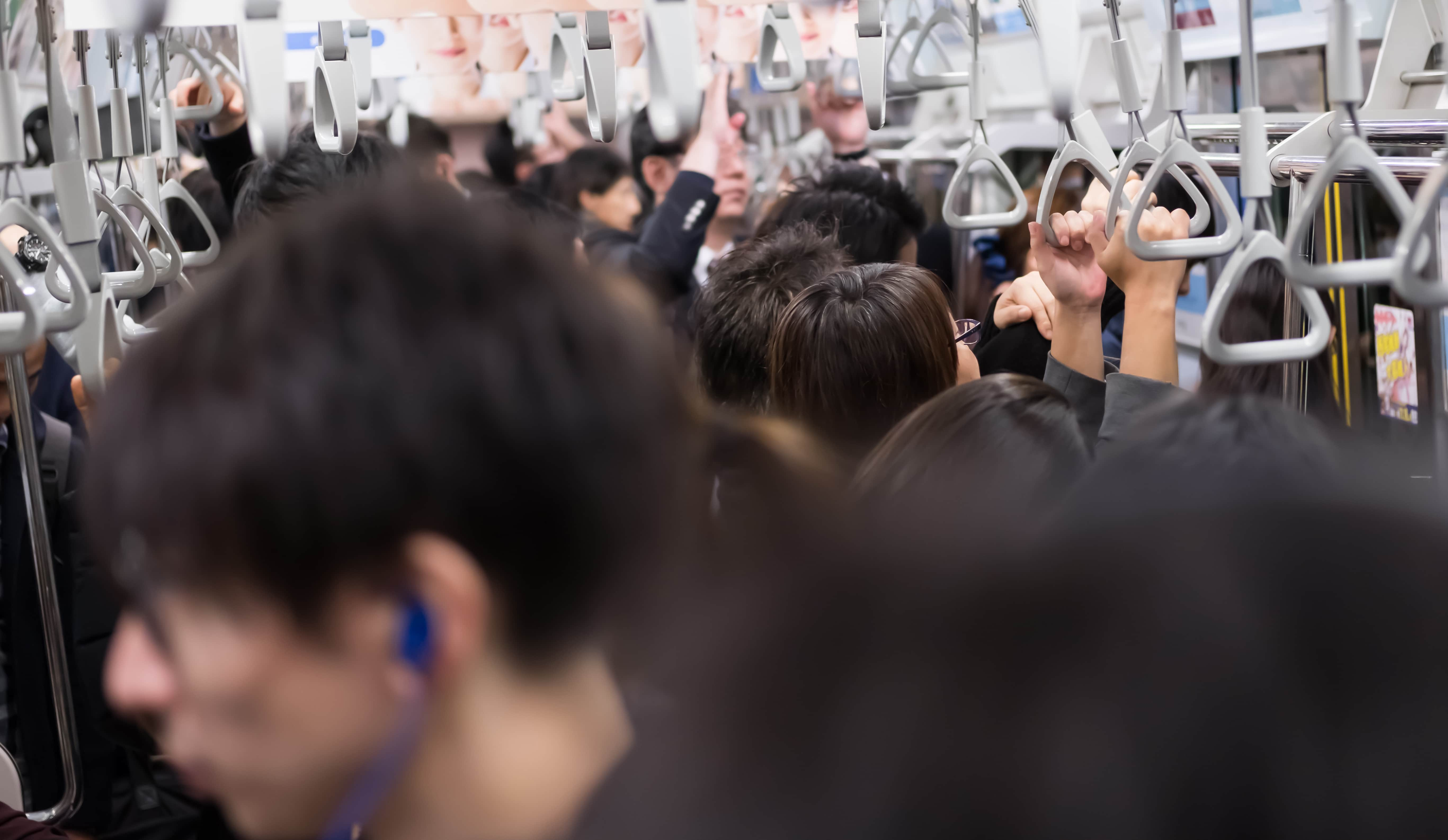
Crowded Japanese train during winter rush hour with passengers in heavy coats

Japanese trains are famous for their punctuality and cleanliness, making them the best way to travel. However, during winter and rush hours, the environment inside the train can be surprisingly harsh on your body.

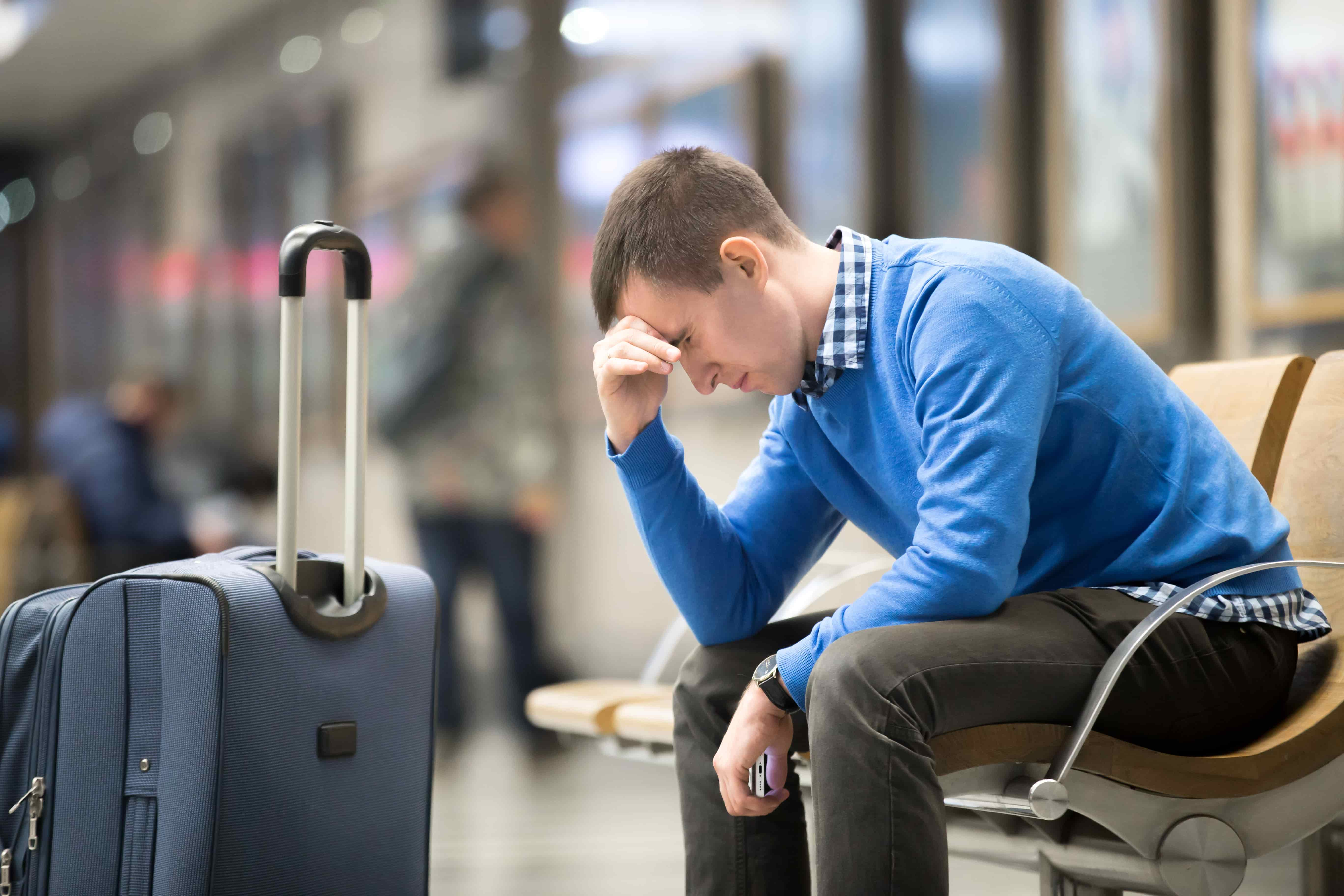
Have you ever felt suddenly dizzy after stepping onto a warm train? Or felt nauseous in a packed car? These are common issues for tourists.

This guide explains the two main health risks on Japanese trains—Temperature Difference and Oxygen Depletion—and how to handle them, based on medical insights and safety guidelines.

1. The Winter Temperature Trap (Heat Syncope)

In winter, it can be outside 0°C - 5°C, but inside the train, the heating is often blasted to 25°C or higher. This creates a temperature difference of over 20°C.

Why It Happens

According to medical research (PMC4629728), rapid changes in ambient temperature affect your blood pressure and heart rate. When you enter a hot train wearing a heavy down coat:

  • Vasodilation: Your blood vessels widen rapidly to release heat.
  • Blood Pressure Drop: This causes a sudden drop in blood pressure, reducing blood flow to the brain.
  • Result: You may experience dizziness, hot flashes, or even fainting (Heat Syncope). This is often called “Nou-hinketsu” (Cerebral Anemia) in Japan.

2. The “Sushi-Zume” Oxygen Squeeze

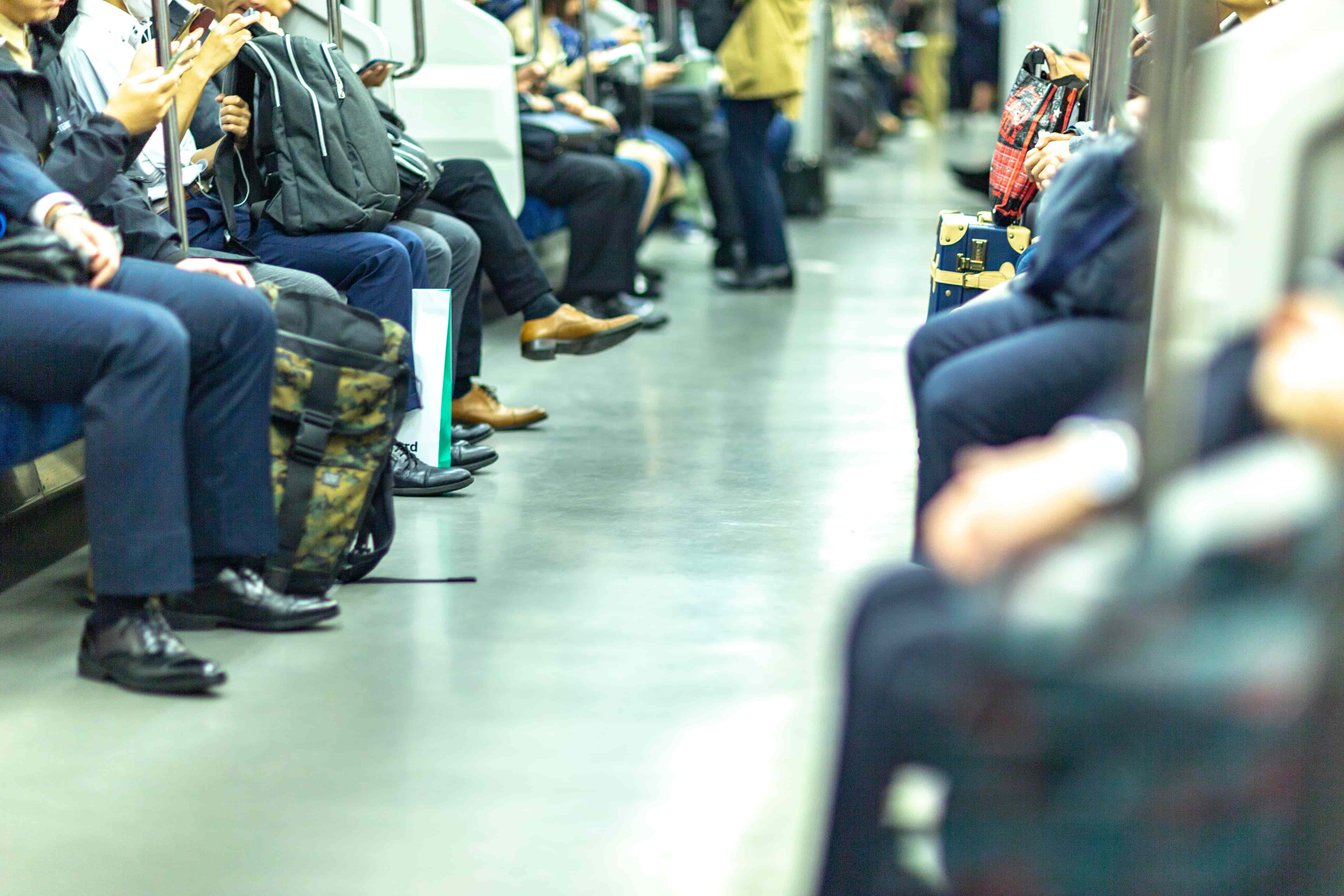
Temperature difference between cold outdoor air and heated train interior causing dizziness

During rush hour (7:30 AM – 9:00 AM), Japanese trains are packed at 150% to 200% capacity. Locals call this Sushi-zume (packed like sushi).

The Hidden Danger: Poor Air Quality

The U.S. Occupational Safety and Health Administration (OSHA) notes that poor indoor air quality, specifically high levels of Carbon Dioxide (CO2) from overcrowding, can lead to immediate health effects.

  • Symptoms: Headache, fatigue, shortness of breath, dizziness, and nausea.
  • Oxygen Deficiency: In a tightly packed car with closed windows (for winter heating), fresh air circulation is limited, leading to a feeling of suffocation.

Prevention Tips: How to Ride Safely

  • Layer Your Clothes (Onion Style): Don’t just wear a t-shirt and a super-heavy coat. Wear layers you can easily unzip or take off as soon as you board the train to prevent overheating.
  • Hydrate: Winter air is dry. Dehydration makes dizziness worse. Carry a water bottle.
  • Avoid Peak Times: If you are sightseeing, avoid the morning rush (7:30–9:00) and evening rush (17:00–19:00).
  • Get Off if You Feel Bad: If you feel dizzy, get off at the next station immediately. Sit on a bench on the platform and cool down.

When to Seek Medical Help

According to the Japan National Tourism Organization (JNTO) guide, you should seek help in the event of:

  • Fainting or loss of consciousness occurs.
  • Chest pain or difficulty breathing that persists after resting.
  • Severe headache or nausea that does not improve.

However, finding a clinic near a train station that accepts walk-ins and speaks English can be incredibly stressful when you are already feeling weak.

A traveler resting in their hotel room and consulting a doctor online using HOTEL de DOCTOR 24

The Stress-Free Solution: HOTEL de DOCTOR 24

If you feel unwell after a train ride—whether it’s lingering dizziness, a migraine from the crowd, or fatigue—HOTEL de DOCTOR 24 is your safety net.

  • Rest in Your Hotel: Don’t struggle to find a hospital in a busy station. Return to your hotel and consult a doctor online.
  • English Support: Professional interpreters ensure you can explain your symptoms (e.g., “I felt faint on the train”) accurately.
  • Medical Advice: A doctor can determine if it was simple heat exhaustion or something requiring medication, and issue a prescription if needed.

Travel smart and stay safe on the rails!

References & Official Guidance

This article is based on information from the following sources:

  • PubMed Central (PMC): Research on thermal sensation and physiological responses (PMC4629728). View Article
  • OSHA (Occupational Safety and Health Administration): “Indoor Air Quality” guidelines. View PDF
  • Japan National Tourism Organization (JNTO): “Guide for when you are feeling ill”. Visit Site

Disclaimer: This article provides general information and is not a substitute for professional medical advice. If you collapse or have severe chest pain, please call station staff or dial 119 for an ambulance immediately.