벚꽃과 재채기? 일본 벚꽃 시즌 동안 꽃가루 알레르기 대처법
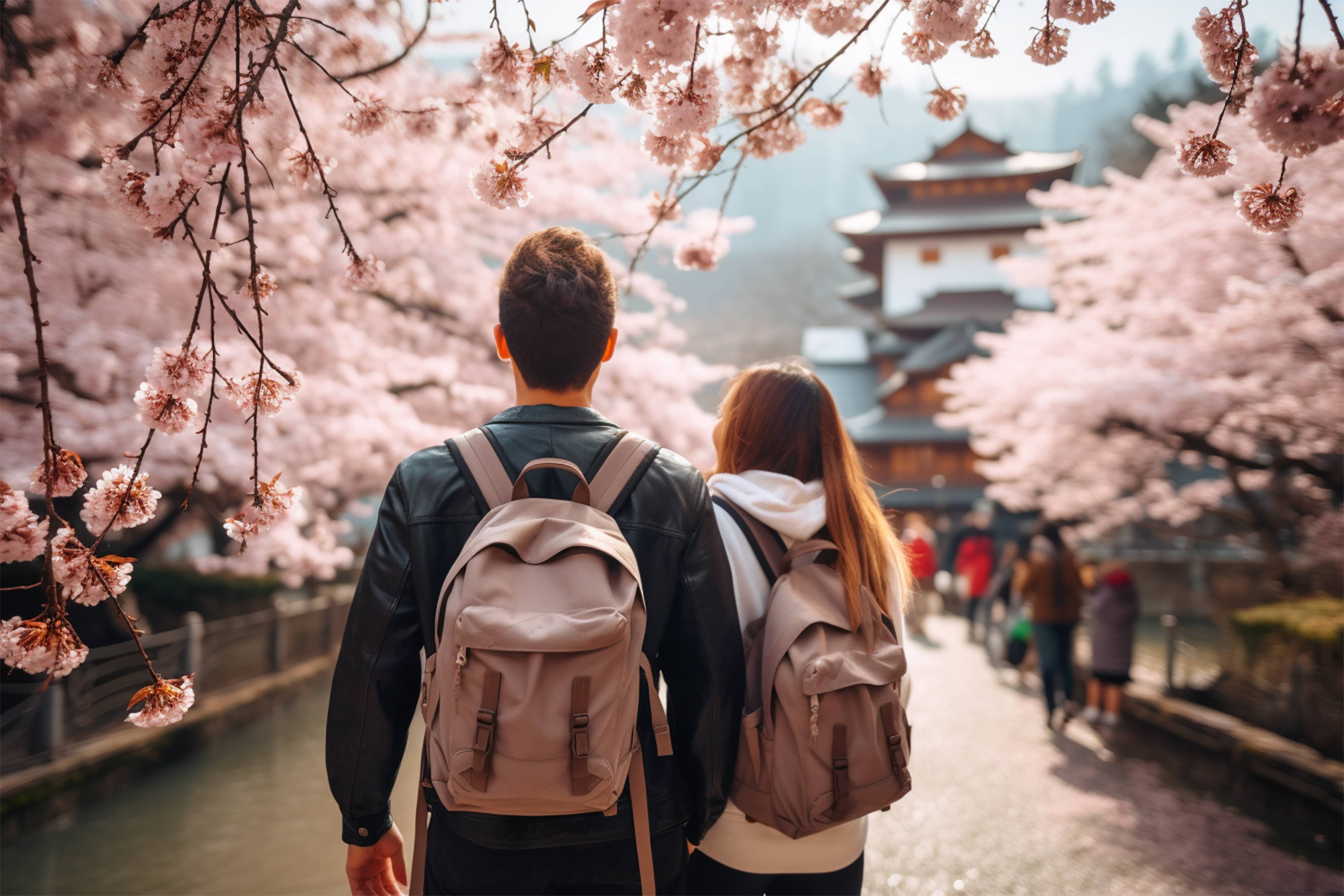
일본의 봄은 숨 막힐 정도로 아름답습니다. 수백만 명의 관광객이 전설적인 벚꽃(사쿠라)을 보기 위해 찾아옵니다. 하지만 많은 여행객에게 이 아름다운 계절은 불쾌한 놀라움을 동반합니다. 갑작스러운 재채기, 눈 가려움, 콧물 등입니다.
혹시 "비행기에서 감기에 걸렸나?"라고 생각할 수도 있지만, 범인은 아마도 가훈쇼(꽃가루 알레르기)일 것입니다. 벚꽃 자체는 죄가 없지만, 엄청난 양의 삼나무와 편백나무 꽃가루가 정확히 같은 시기에 공기 중에 퍼집니다.
이 가이드에서는 CDC 지침에 따른 계절성 알레르기 증상과 "꽃가루 폭탄"을 맞았을 때 휴가를 망치지 않는 방법을 설명합니다.
감기인가요, 알레르기인가요?
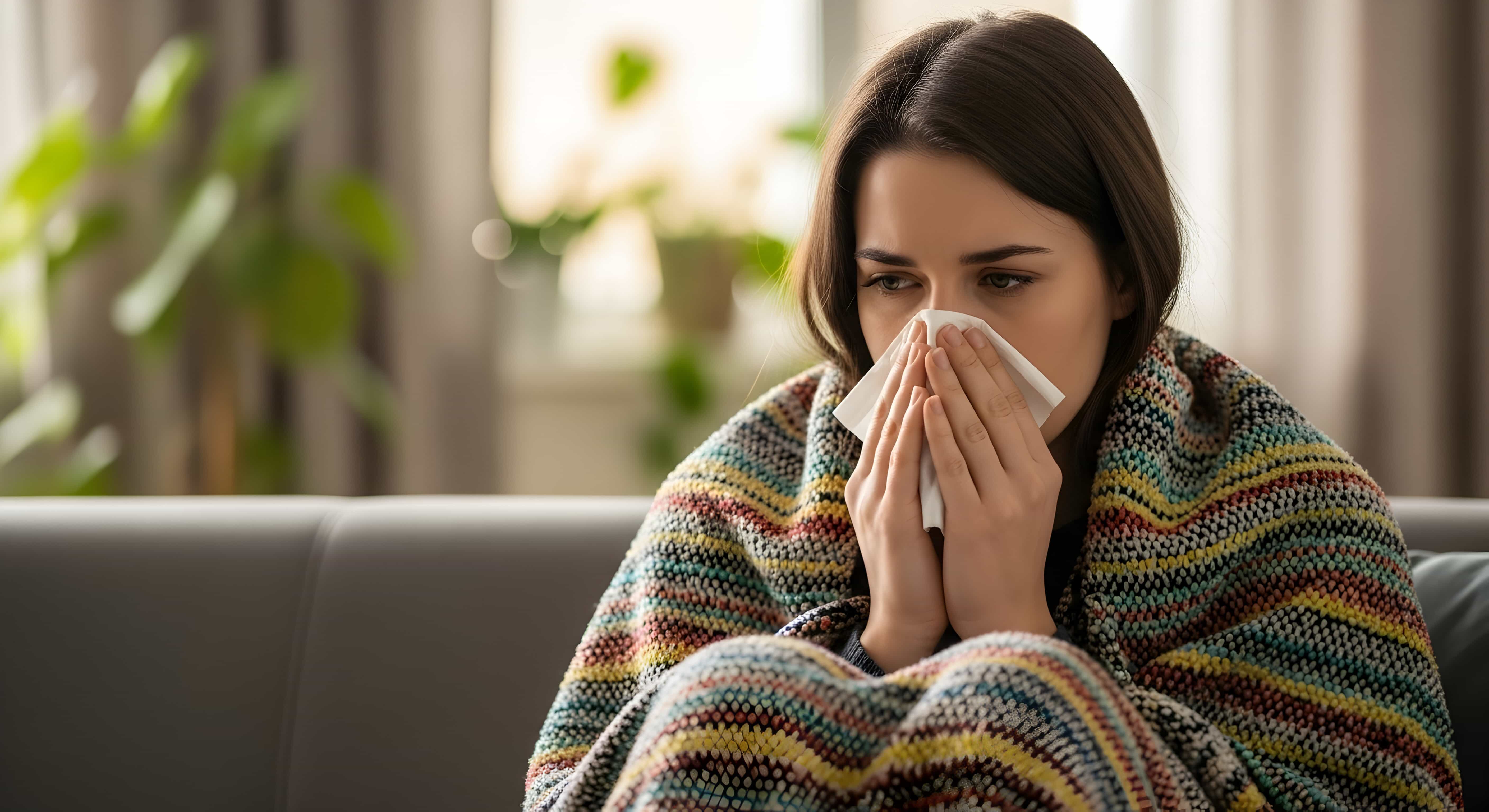
CDC(질병통제예방센터)에 따르면, 꽃가루 노출은 "알레르기 비염" 또는 꽃가루 알레르기라고 알려진 알레르기 반응을 유발할 수 있습니다. 증상을 조기에 인식하면 여행을 구할 수 있습니다.
일반적인 증상 (CDC):
- 코: 맑은 콧물, 코막힘, 재채기.
- 눈: 충혈, 눈물, 눈 가려움 (알레르기 결막염).
- 목/귀: 목, 코 또는 귀 가려움.
- 천식: 천식이 있는 경우, 높은 꽃가루 수치는 기침이나 쌕쌕거림을 유발하여 발작을 일으킬 수 있습니다.
참고: 감기와 달리 알레르기는 일반적으로 열이나 몸살을 유발하지 않습니다.
일본에서 왜 이렇게 심할까요?
3월과 4월(주요 벚꽃 시즌) 동안 일본은 일본 삼나무(스기)와 일본 편백나무(히노키) 꽃가루 농도가 매우 높습니다. 본국에서 알레르기가 없더라도 일본의 엄청난 양의 꽃가루는 처음 방문하는 사람들에게 반응을 유발할 수 있습니다.
증상 최소화하는 3가지 방법
CDC는 꽃가루 노출을 줄이기 위한 몇 가지 전략을 제안합니다:
1. 예보 확인하기
날씨처럼 일본에도 "꽃가루 예보"가 있습니다. 꽃가루가 많은 날(종종 건조하고 바람이 많이 불고 맑은 날)에는 야외 활동을 제한하거나 보호 장비를 착용하십시오.
2. 마스크 & 안경 착용하기
일본에서는 마스크 착용이 꽃가루에 대한 표준 방어 수단입니다. 많은 현지인들이 마스크를 착용하는 것을 볼 수 있습니다.
- 마스크: 고품질 마스크는 꽃가루가 코와 목으로 들어가는 것을 차단합니다.
- 안경: 렌즈가 넓은 안경이나 일반 선글라스도 꽃가루가 눈에 들어가는 것을 막는 데 도움이 될 수 있습니다.
3. 호텔에 꽃가루 들어오지 않게 하기
꽃가루는 옷에 달라붙습니다. 호텔 방에 들어가기 전에 코트를 털고, 관광 후 돌아오면 즉시 손과 얼굴을 씻으십시오.
일반 의약품으로 부족할 때

일본 약국에서는 항히스타민제와 안약을 판매하지만:
- 일부 일본 의약품은 성분 함량에 제한이 있거나 졸음을 유발하는 성분을 포함할 수 있습니다.
- 천식이나 심각한 반응이 있는 경우 처방 강도의 치료가 필요할 수 있습니다.
명확한 해결책: HOTEL de DOCTOR 24
눈이 붓거나 재채기를 멈출 수 없다면, 알레르기 때문에 사쿠라 구경을 망치지 마십시오. HOTEL de DOCTOR 24는 효과적인 치료를 신속하게 받을 수 있도록 도와줍니다.
- 객실에서 상담: 꽃가루가 가득한 바깥으로 나가 병원을 찾지 마십시오. 깨끗한 호텔 방에서 온라인으로 의사와 상담하십시오.
- 영어 지원: 통역사를 통해 의사에게 특정 알레르기(예: "졸리지 않은 약이 필요합니다")를 명확하게 설명하십시오.
- 처방전 접근: 필요한 경우, 의사는 약국 브랜드보다 효과적인 처방 의약품을 처방할 것입니다.
일본에서 통제할 수 없이 재채기를 하고 있나요? 지금 바로 해결하세요.
온라인 의사 상담을 받으려면 HOTEL de DOCTOR 24를 방문하십시오. https://www.hoteldedoctor24.com
벚꽃을 즐기세요, 편안하게 숨 쉬세요!
추가 정보 및 공식 지침
이 기사는 꽃가루와 건강에 관한 CDC 정보를 활용했습니다:
- CDC: "Pollen and Your Health" CDC 페이지 방문
- CDC: "Allergens and Pollen" CDC 페이지 방문
면책 조항: 이 기사는 일반 정보를 제공하며 전문적인 의학적 조언을 대체할 수 없습니다. 호흡 곤란, 쌕쌕거림 또는 심각한 부기가 있는 경우 즉시 119에 전화하여 구급차를 부르십시오.