Проблемы с желудком в Японии? Лучшие щадящие продукты и руководство по восстановлению
Conclusion: Если у вас возникли проблемы с желудком, диарея или гастроэнтерит в Японии, лучшей первой реакцией будет употребление легкоусвояемой пищи из местных круглосуточных магазинов (Konbini).
Reason & Evidence: С точки зрения питания, вашему воспаленному желудку нужны обезжиренные продукты с низким содержанием клетчатки, которые обеспечивают быструю энергию. Японские основные продукты, такие как Окаю (рисовая каша) и Удон, идеально соответствуют этим медицинским критериям. Если симптомы сохраняются более двух дней, воспользуйтесь HOTEL de DOCTOR 24 для онлайн-консультации с англоговорящим врачом для получения рецепта.

Японская кухня всемирно известна, но иногда стресс от путешествия, незнакомые ингредиенты или вирус могут привести к расстройству желудка. Страдать от диареи, тошноты или гастроэнтерита во время путешествия — это мучительно, особенно когда вы не знаете, что безопасно есть.
Если вы плохо себя чувствуете в Японии, не волнуйтесь. Вам не нужна кухня для выздоровления. Это руководство объясняет, как справиться с симптомами, и представляет японские продукты, щадящие желудок, которые легко найти в круглосуточных магазинах (Konbini).
Шаг 1: Гидратация — ключ к успеху
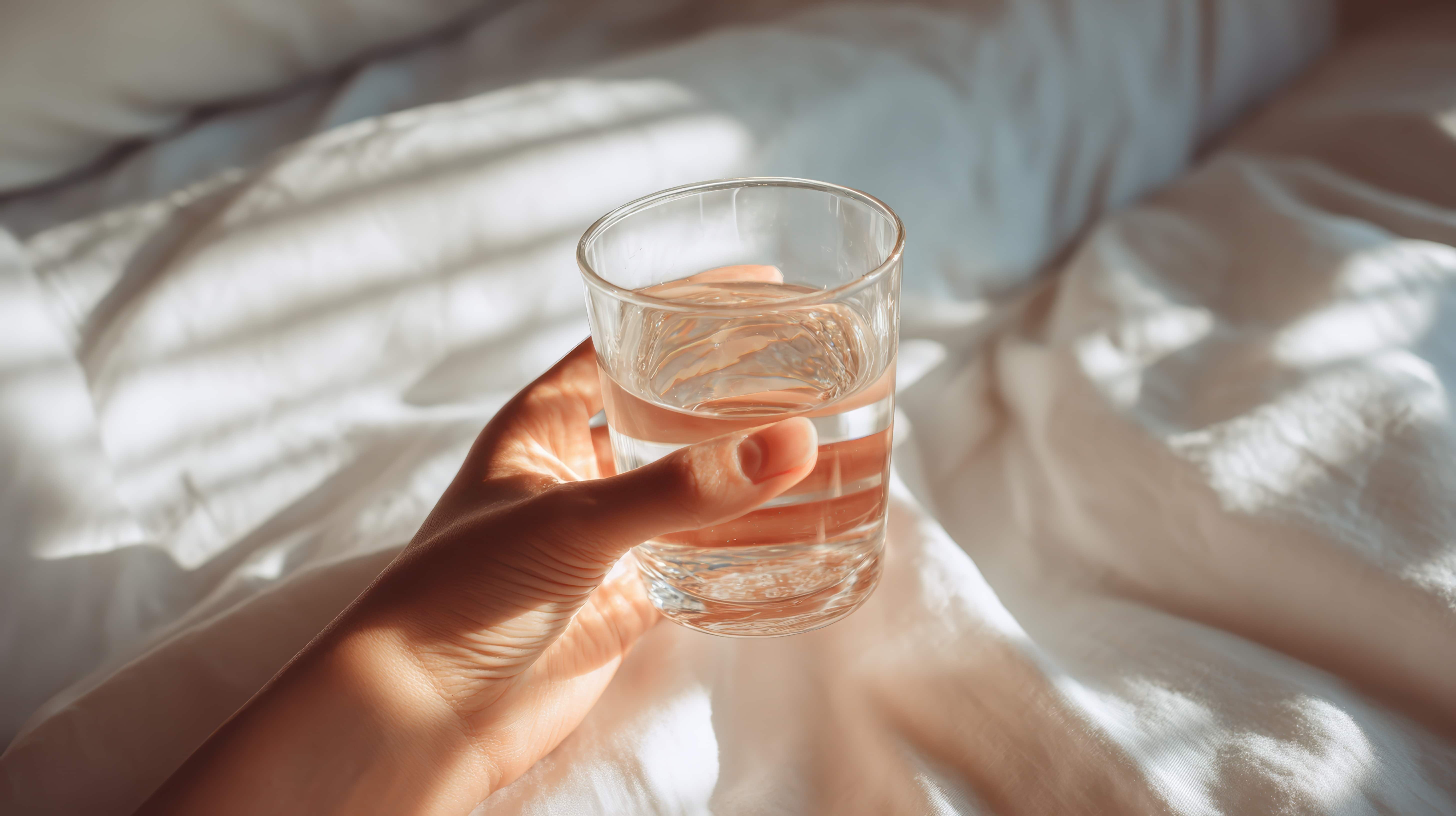
По данным NIH (Национальных институтов здравоохранения) и CDC, самый важный шаг при диарее или рвоте — предотвратить обезвоживание.
- Что пить: В Японии ищите «напитки для восполнения ионов», такие как Pocari Sweat или Aquarius, в любом торговом автомате или круглосуточном магазине. Они похожи на спортивные напитки и помогают восполнить потерянные электролиты.
- Как пить: Пейте небольшими глотками часто. Не пейте большими глотками сразу, так как это может усилить тошноту.
Шаг 2: Щадящие японские продукты для употребления
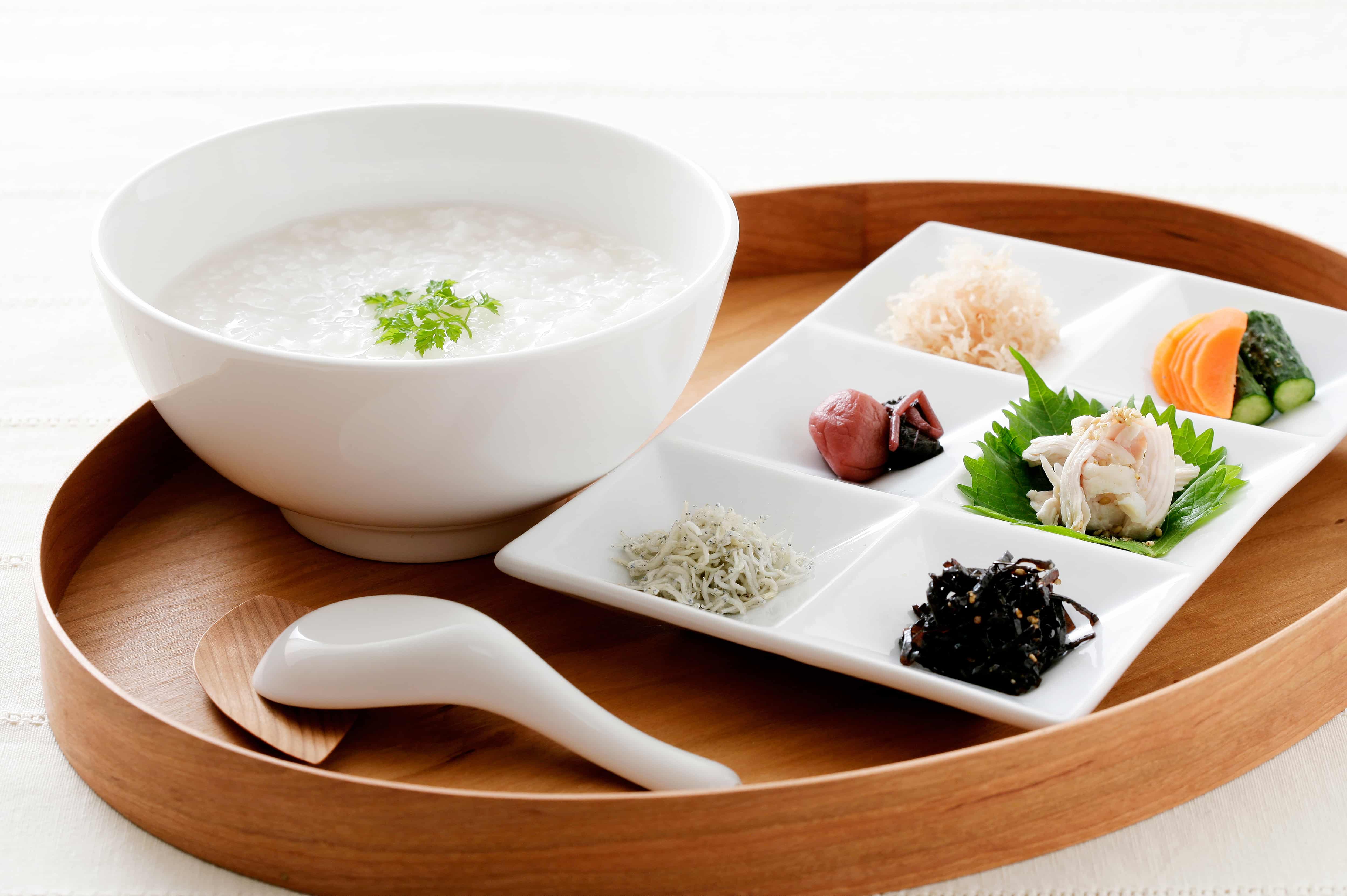
Когда аппетит вернется, MedlinePlus рекомендует начинать с нежирной пищи, которая легко усваивается. Избегайте жирной, острой или сладкой пищи.
🩺 Пищевая ценность: почему продукты из комбини помогут при восстановлении
При гастроэнтерите или диарее ваш желудочно-кишечный тракт воспален, а пищеварительные ферменты истощены. С медицинской и диетологической точки зрения вашему организму нужны легкоусвояемые углеводы для энергии, при строгом исключении липидов (жиров) и пищевых волокон, для переработки которых требуется сильная желудочная кислота и опорожнение кишечника. Японские круглосуточные магазины уникально снабжены традиционными продуктами (такими как белый рис и пшеничная лапша), которые идеально соответствуют этому профилю «пищи с низким содержанием клетчатки».
На основании медицинских рекомендаций, вот лучшие питательные продукты, доступные в японских круглосуточных магазинах 24/7:
| Продукт из комбини | Пищевая ценность (Почему это хорошо) | Как выбрать и употреблять |
|---|---|---|
| Окаю (Рисовая каша) おかゆ / 粥 |
Углеводы с высоким гликемическим индексом, которые быстро расщепляются до глюкозы. Вареная в большом количестве воды, она почти не требует механического переваривания желудком. | Продается в пакетах для микроволновой печи. Выбирайте простую («Сиро-гаю») или с маринованной сливой («Умэ»). Избегайте добавок с яйцом или мясом, которые добавляют жир. |
| Лапша Удон うどん |
Рафинированный пшеничный крахмал обеспечивает быструю энергию. Содержит гораздо меньше жира и клетчатки по сравнению с лапшой соба (гречневой) или рамен. | Покупайте «Каке Удон» (простой бульон). Не покупайте Удон с темпурой, так как жареное масло сильно раздражит ваш желудок. |
| Шелковый тофу 絹ごし豆腐 |
Высококачественный растительный белок, который очень мягкий и практически не содержит жира, помогая восстанавливать поврежденные ткани без нагрузки на ЖКТ. | Ешьте его холодным или слегка подогретым с крошечной каплей соевого соуса. Избегайте тофу «Агедаши» (жареного). |
| Спортивные напитки / ОРС 経口補水液 (OS-1等) |
Критически важны для восполнения натрия и калия, потерянных из-за диареи и рвоты. Предотвращают сильное обезвоживание. | Ищите «Pocari Sweat», «Aquarius» или «OS-1». Пейте небольшими частыми глотками, а не залпом, чтобы предотвратить тошноту. |
| Желейные напитки ゼリー飲料 (inゼリー等) |
Жидкие углеводы, которые минуют процесс жевания и мгновенно всасываются в кишечнике. | Выбирайте варианты «Энергия» (углеводы) или «Витамины». Избегайте напитков с пищевыми волокнами или высокой кислотностью (например, сильные цитрусовые). |
Шаг 3: Чего следует строго избегать
Чтобы ускорить выздоровление, избегайте этих распространенных триггеров, пока не почувствуете себя на 100% лучше:
- Кофеин и алкоголь: Избегайте зеленого чая (если он не без кофеина), кофе и пива. Они стимулируют опорожнение кишечника и усугубляют обезвоживание.
- Молочные продукты: Молоко и сыр содержат лактозу, которую трудно переваривать при истощении ферментов кишечника.
- Жирная/жареная пища: Никакой темпуры, тонкацу или рамена. Жир замедляет опорожнение желудка.
- Сырые продукты: Строго избегайте суши или сашими, чтобы предотвратить вторичные бактериальные инфекции, пока ваша иммунная система ослаблена.
Когда следует обратиться к врачу
По данным CDC и JNTO, вам следует обратиться за медицинской помощью, если вы испытываете:
- Кровавый понос или черный стул.
- Температура выше 38,8°C (102°F).
- Признаки сильного обезвоживания (сухость во рту, мало мочи, головокружение).
- Симптомы, длящиеся более 2 дней.
Комфортное решение: HOTEL de DOCTOR 24
Найти клинику, занимающуюся внутренними болезнями (Naika) и имеющую англоязычного врача, может быть сложно. Вы можете беспокоиться о том, как объяснить свои симптомы или найти туалет по дороге в больницу.
Если вы слишком слабы, чтобы выйти, HOTEL de DOCTOR 24 принесет помощь к вам.
- Оставайтесь в номере: Проконсультируйтесь с врачом онлайн, не выходя из гостиничного номера. Вам не придется беспокоиться о поиске туалета во время поездки.
- Языковая поддержка: Профессиональные переводчики гарантируют, что вы сможете четко объяснить свое состояние (например, «Пищевое отравление», «Сильные спазмы»).
- Рецептурные препараты: Врач может выписать эффективные противорвотные или противодиарейные средства по мере необходимости и направить вас в аптеку.
Часто задаваемые вопросы
Q. Какую пищу, подходящую для желудка, лучше всего купить в японском круглосуточном магазине?
A. С точки зрения питания, идеальными являются простая рисовая каша (Окаю), простые лапша Удон и шелковый тофу. Они обеспечивают необходимые углеводы и высококачественные белки, будучи при этом с низким содержанием жира и пищевых волокон, что позволяет пищеварительной системе отдыхать и восстанавливаться.
Q. Следует ли обратиться к врачу, если боль в желудке в Японии длится несколько дней?
A. Да. Если у вас наблюдаются сильные симптомы, такие как кровавая диарея, высокая температура, признаки обезвоживания или симптомы, длящиеся более 2 дней, вам следует обратиться за медицинской помощью. HOTEL de DOCTOR 24 предлагает круглосуточные онлайн-консультации с англоговорящими врачами для получения необходимого рецепта.
Боль в животе портит вашу поездку? Получите медицинскую консультацию, не выходя из номера.
Посетите HOTEL de DOCTOR 24 по адресу https://www.hoteldedoctor24.com.
Хорошего отдыха и скорейшего выздоровления!
Ссылки и официальные рекомендации
В этой статье использована информация от следующих медицинских авторитетов:
- NIH (NIDDK): «Питание, диета и питание при вирусном гастроэнтерите» Посетить сайт
- MedlinePlus: «Диарея — что есть и пить» Посетить сайт
- CDC: «Диарея путешественников» Посетить сайт
- JNTO: «Руководство на случай плохого самочувствия» Посетить сайт
Отказ от ответственности: Эта статья содержит общую информацию и не является заменой профессиональной медицинской консультации. При сильном обезвоживании, крови в стуле или высокой температуре немедленно вызовите скорую помощь по номеру 119.