A Proactive Health Guide for US Travelers in Japan

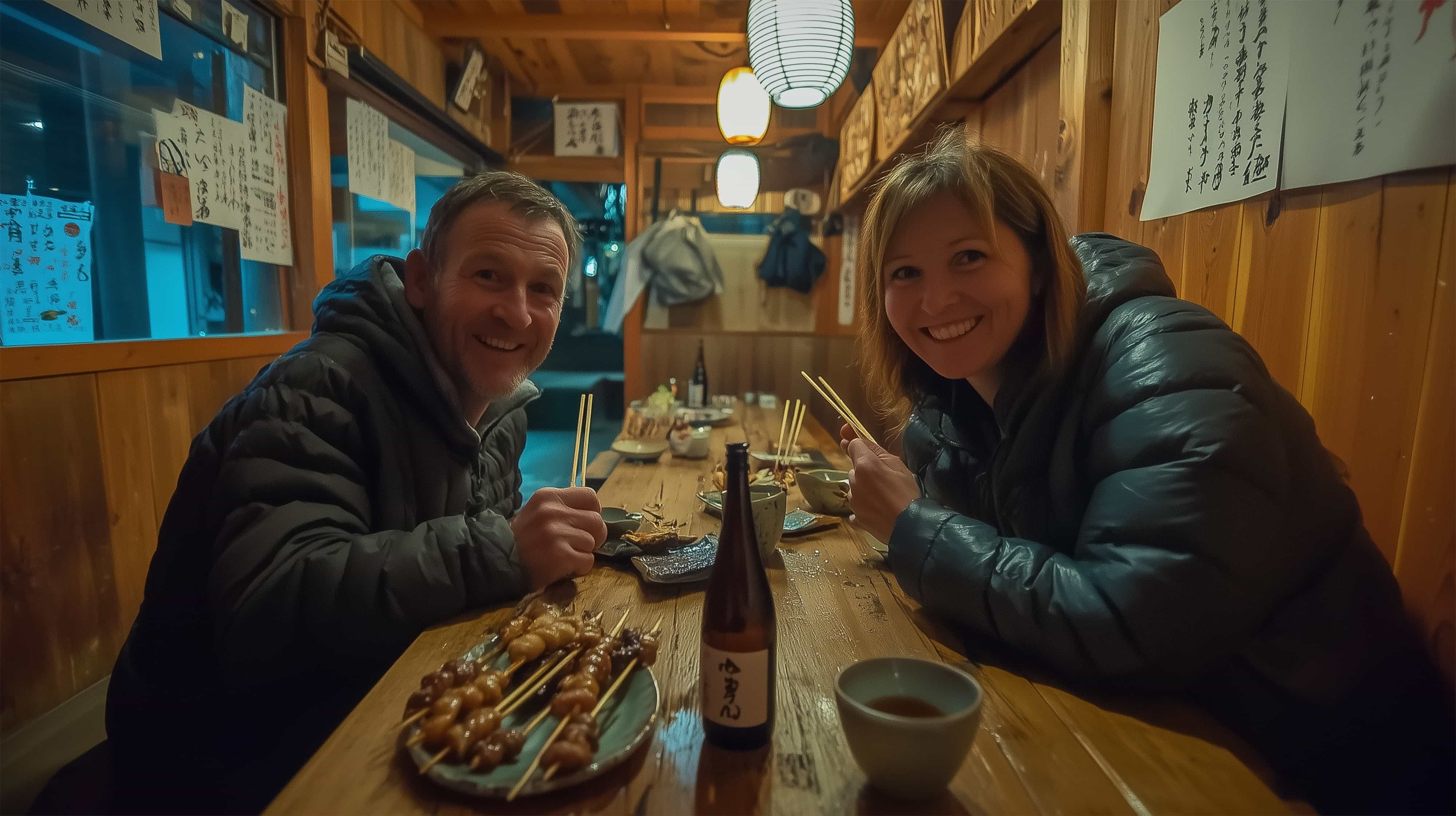
US traveler exploring Japan with health awareness - A proactive approach to staying healthy while traveling

Japan is an extraordinary travel destination, renowned for its safety, hospitality, and rich culture. However, just like any international trip, it presents unique environmental factors that can challenge a traveler's health. The long flight, jet lag, different climate, and new foods can sometimes lead to unexpected illnesses, turning a dream vacation into a stressful experience for a sick tourist Japan.

To help you prepare, we're moving beyond just rankings. Based on consultation records from HOTEL de DOCTOR 24, a 24-hour medical service for visitors, we've identified the health issues most frequently reported by US travelers. This guide will explore those common symptoms and provide actionable advice based on guidelines from public health authorities like the U.S. Centers for Disease Control and Prevention (CDC) and Japan's Ministry of Health, Labour and Welfare (MHLW).

1. Respiratory Issues: The Most Common Complaint

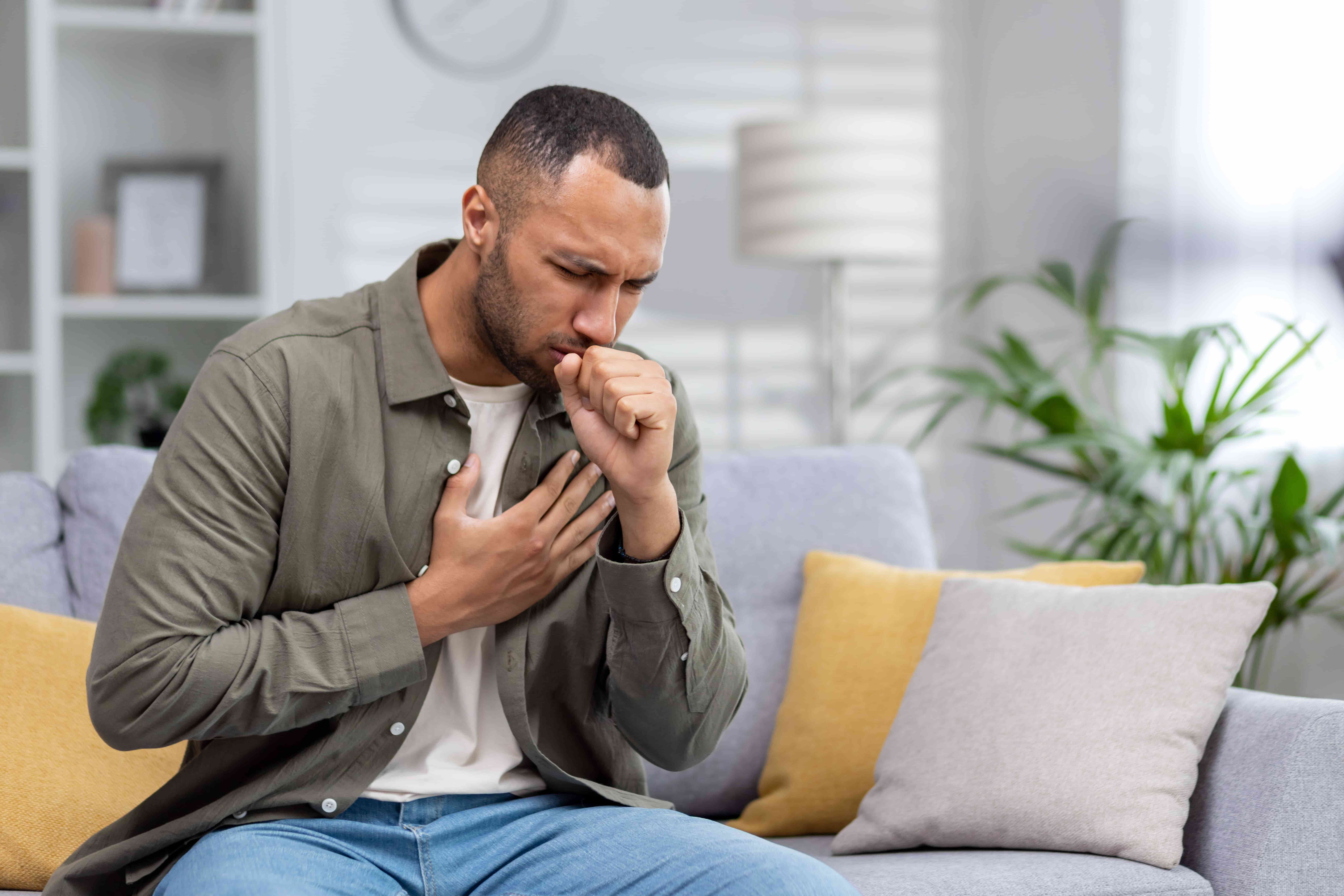
Respiratory symptoms infographic showing common issues like cough and sore throat affecting US travelers in Japan

Respiratory symptoms are, by a significant margin, the top reason US travelers seek medical advice in Japan.

According to the consultation records of the HOTEL de DOCTOR 24, Cough & Phlegm (42.5%) and Sore Throat (40.0%) are the most prevalent symptoms reported. This indicates that nearly half of all consultations are related to respiratory discomfort.

Why Are These Symptoms So Common?

  • Dry Air: Japan, especially during winter, has much drier air than many parts of the U.S. This dryness is amplified on long-haul flights and in climate-controlled hotel rooms, which can irritate your throat and nasal passages.
  • Viral Exposure: Crowded environments like airports, flights, and public transportation increase your exposure to common respiratory viruses, which are the primary cause of sore throats and coughs.
  • Fatigue: Jet lag and packed travel schedules can weaken your immune system, making you more susceptible to catching a cold.

What You Can Do: Prevention & Care (CDC/MHLW Guidelines)

  1. Practice Rigorous Hand Hygiene: This is the single most effective way to prevent respiratory infections. Wash your hands often with soap and water for at least 20 seconds. If soap isn't available, use an alcohol-based hand sanitizer with at least 60% alcohol.
  2. Stay Hydrated: Drink plenty of fluids (water, decaffeinated tea) to keep your throat and airways moist, especially on the flight and in your hotel.
  3. Consider a Mask: In crowded, enclosed spaces (like subways or busy tourist sites), wearing a mask is a simple, effective way to reduce your exposure to airborne droplets.
  4. Humidify Your Hotel Room: If your room feels dry, ask the front desk for a humidifier (kashitsuki). Alternatively, you can hang a damp towel in the room to increase moisture.
  5. Rest: If you feel symptoms starting, slow down. Your body needs energy to fight off infection. Pushing through can make a simple cold much worse.

2. Systemic Symptoms: Fever & Fatigue

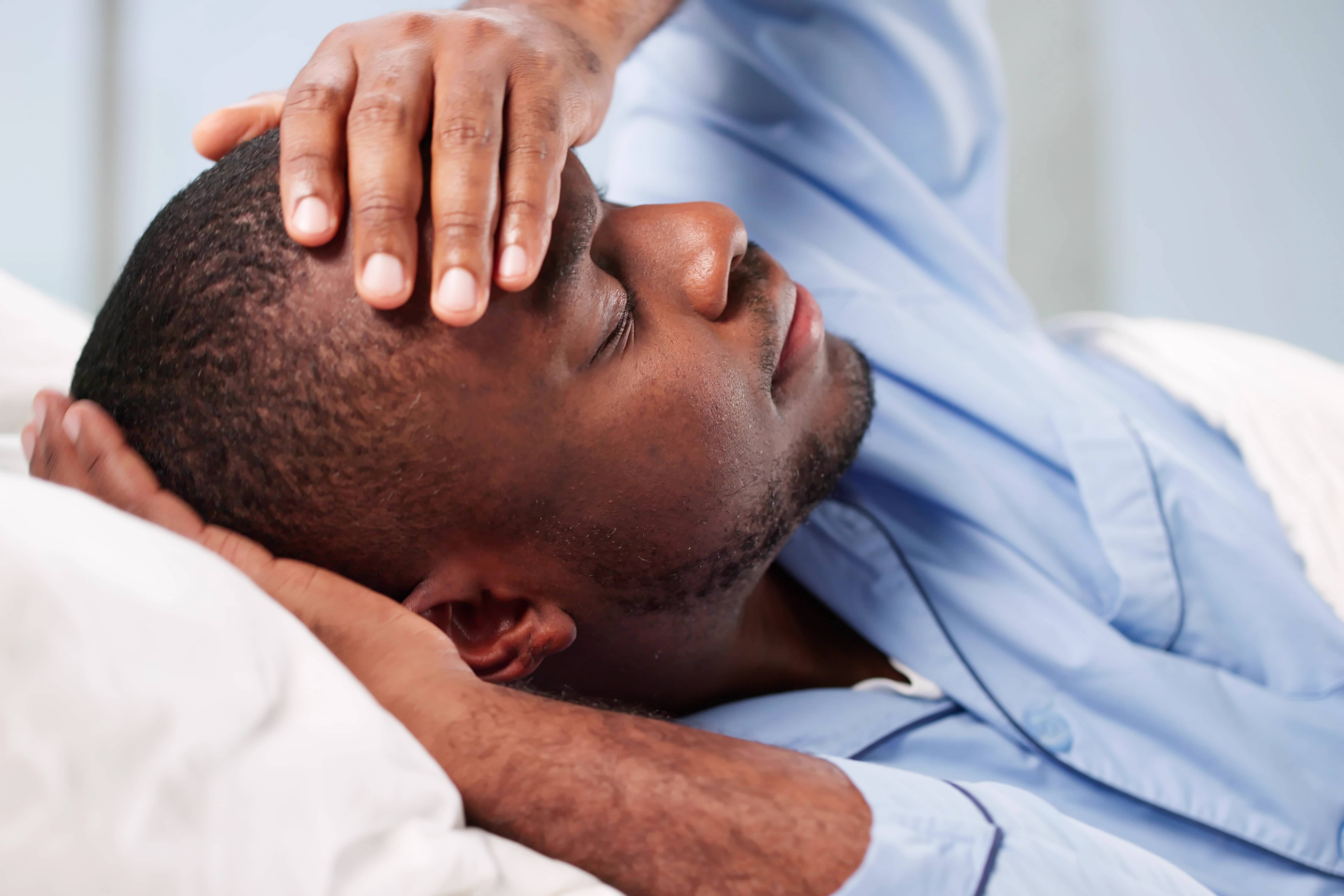
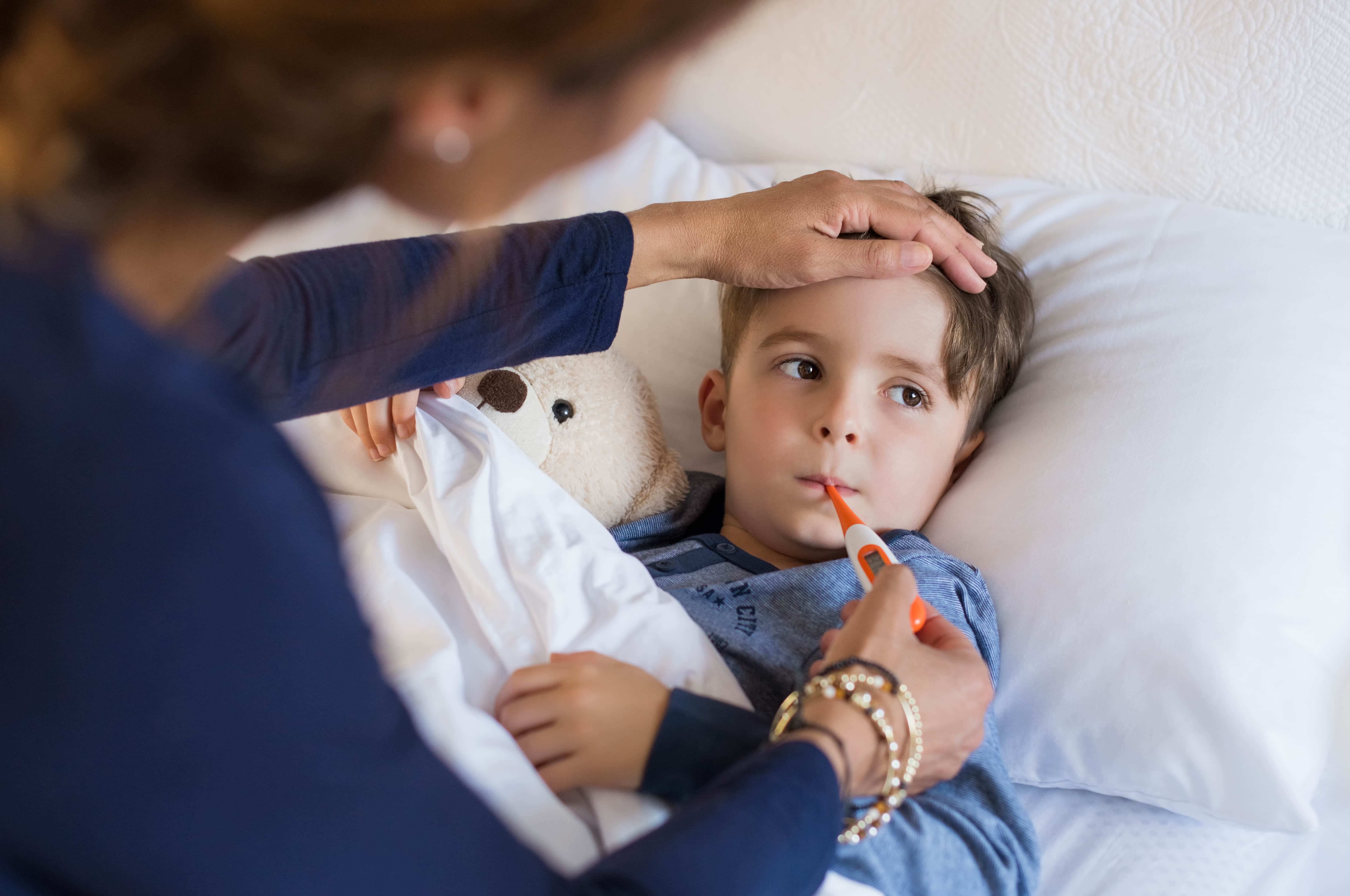
Traveler experiencing fever and fatigue symptoms - systemic health issues during Japan travel

Feeling generally unwell, weak, or feverish is another major issue. These "systemic" symptoms often accompany respiratory infections but can also be a sign of exhaustion or other issues.

Records shows that Fatigue / Malaise (35.0%) and Fever (27.5%) are also significant concerns for US travelers. A fever Japan travel brings on is particularly worrying for tourists.

Why Are These Symptoms So Common?

  • Immune Response: Fever and fatigue are your body's natural response to fighting an infection (like the flu or a bad cold).
  • Jet Lag & Exhaustion: The combination of a long-haul flight and an ambitious itinerary can lead to profound fatigue, which mimics the feeling of being sick.
  • Dehydration: Even mild dehydration can cause fatigue and headaches.

What You Can Do: Prevention & Care (CDC/MHLW Guidelines)

  1. Pace Yourself: Don't plan major activities for your first day. Give your body time to acclimate to the new time zone. Prioritize 7-8 hours of sleep.
  2. Manage Fever Safely: If you have a fever, rest and drink plenty of fluids (water, sports drinks, or oral rehydration solutions) to prevent dehydration.
  3. Over-the-Counter (OTC) Medication: According to the CDC, you can use OTC medications like acetaminophen (Tylenol) or ibuprofen (Advil, Motrin) to reduce fever and aches. Always use as directed and never give aspirin to children.
  4. Monitor Your Symptoms: The CDC advises that you can resume normal activities if your symptoms are improving overall AND you have been fever-free for at least 24 hours (without using fever-reducing medication). If fever persists for more than a few days or is very high, seek medical advice.

3. Digestive Issues: Stomachache & Traveler's Diarrhea

While Japan has some of the highest food safety standards in the world, digestive issues can still occur, often simply due to the change in diet.

Stomachache (27.5%) is a common ailment. This can range from mild indigestion to more severe cases of traveler's diarrhea.

Why Are These Symptoms So Common?

  • New Foods: Your digestive system may be unaccustomed to new ingredients, oils, and spices, even if they are perfectly safe.
  • Traveler's Diarrhea (TD): The CDC notes that TD is the most common travel-related illness. While Japan is listed as a low-risk destination for TD compared to others, it can still happen, often from bacteria in contaminated food or water.
  • Raw Foods: Japan's culinary traditions include exquisite raw fish (sushi, sashimi) and other uncooked items. While typically very safe in reputable restaurants, this always carries a slightly higher risk than cooked foods.

What You Can Do: Prevention & Care (CDC/MHLW Guidelines)

  1. Follow Safe Food & Water Practices: The CDC's golden rule for food safety is: "Boil it, cook it, peel it, or forget it". Eat food that is cooked and served hot.
  2. Choose Raw Foods Wisely: Only eat raw fish or meat from reputable, clean, and busy restaurants. If you have a sensitive stomach, you may want to limit your intake.
  3. Hand Hygiene (Again!): Wash your hands thoroughly before eating and after using the restroom. This is a key defense against foodborne illness.
  4. Stay Hydrated During Illness: If you do get diarrhea, the most important treatment is rehydration. Drink bottled water, weak tea, or an oral rehydration solution. Avoid alcohol, caffeine, and dairy, which can worsen symptoms.
  5. When to Use Medication: Anti-motility agents (like Loperamide) can provide temporary relief but are not recommended if you have a fever or bloody diarrhea, as they can make the underlying infection worse.

4. Medication Matters: Bringing Your Own vs. Buying in Japan

Many US travelers prefer to bring their regular medications to ensure peace of mind. However, Japan has strict laws regarding the importation of drugs, even for personal use.

Bringing Medication: Know the Rules

It is crucial to know which medications are allowed before you pack. Japan's Ministry of Health, Labour and Welfare (MHLW) enforces these regulations strictly.

  • Strictly Prohibited: Stimulant drugs (often used for ADHD, like Adderall or Vyvanse) and certain over-the-counter medicines containing high levels of pseudoephedrine (often found in cold and allergy meds like Sudafed) are strictly controlled. Bringing these into Japan can be illegal and result in arrest, even with a valid US prescription.
  • General Allowance: For most standard prescription medications (that are not narcotics or psychotropics), you are generally allowed to bring up to a one-month supply for personal use without special paperwork. For over-the-counter meds, the limit is typically a two-month supply.
  • Yunyu Kakininsho (Import Confirmation): If you need to bring more than the allowed limit, or if your medication falls under specific controlled categories (like certain psychotropics or injectables), you must apply for a "Yunyu Kakininsho" (Import Confirmation) from the MHLW before you travel. This process can take several weeks.

What If You Can't Bring Your Medication?

If your medication is restricted, or if you simply forget to pack it, obtaining a replacement in Japan is not as simple as walking into a drugstore. High-potency painkillers and specific antibiotics available OTC in the US often require a prescription in Japan.

Furthermore, to get a prescription drug in Japan, you legally need a consultation with a doctor. This can be daunting due to language barriers.

The Solution: This is where HOTEL de DOCTOR 24 provides essential support. Instead of navigating a complex legal landscape or suffering without treatment, you can consult with an English-speaking doctor online. They can assess your condition and prescribe the appropriate Japanese equivalent medication allowed by law.

When to Seek Professional Medical Help

Self-care can manage most mild travel illnesses. However, you should seek professional medical attention if you experience:

  • A high fever (e.g., over 38.5°C or 101.3°F) that doesn't improve with OTC medicine.
  • A fever that lasts more than 2-3 days.
  • Severe symptoms, such as difficulty breathing, severe sore throat (especially with trouble swallowing), or bloody diarrhea.
  • Signs of dehydration (e.g., dizziness, little to no urination, extreme thirst).
  • Symptoms that get significantly worse instead of better.

Finding an english speaking doctor or navigating a medical clinic in a foreign country is a major source of anxiety. This is where a dedicated tourist medical service like HOTEL de DOCTOR 24 becomes an invaluable resource.

The Convenient & Reassuring Choice: HOTEL de DOCTOR 24

HOTEL de DOCTOR 24 service interface - Online medical consultation platform for tourists in Japan

Instead of searching for a "clinic near me open now," you can access medical care directly from your hotel room. HOTEL de DOCTOR 24 is designed to solve these exact problems for travelers:

  • English-Speaking Doctors: You can have an online doctor consultation with a medical professional who speaks English, removing the language barrier and stress.
  • 24/7 Access: Get an online doctor appointment when you need it, without worrying about clinic hours.
  • Consult from Your Hotel: No need to travel while you're feeling unwell. You can speak to a doctor online from the comfort and privacy of your room.
  • Medication Support: If the doctor determines you need a prescription, the service can assist in arranging for it to be delivered to your hotel or a nearby pharmacy.
  • Peace of Mind: Knowing that professional help is easily accessible for any cold in Japan or other common illness allows you to focus on recovery and enjoy the rest of your trip.

Sources

  1. U.S. Centers for Disease Control and Prevention (CDC). "Common Colds: Protect Yourself and Others." https://www.cdc.gov/colds/index.html
  2. U.S. Centers for Disease Control and Prevention (CDC). "Handwashing: Clean Hands Save Lives." https://www.cdc.gov/handwashing/index.html
  3. U.S. Centers for Disease Control and Prevention (CDC). "Fever and Taking Your Temperature." https://www.cdc.gov/high-blood-pressure/measure/fever.htm (Note: General info on fever as a symptom).
  4. U.S. Centers for Disease Control and Prevention (CDC). "Travelers' Diarrhea." (CDC Yellow Book). https://www.cdc.gov/travel/yellowbook/2024/preparing/travelers-diarrhea
  5. U.S. Centers for Disease Control and Prevention (CDC). "Eat and Drink Safely Abroad." https://www.cdc.gov/yellow-book/hcp/preparing-international-travelers/food-and-water-precautions-for-travelers.html
  6. Ministry of Health, Labour and Welfare, Japan. "Food Safety in Japan." https://www.mhlw.go.jp/english/topics/foodsafety/index.html
  7. Ministry of Health, Labour and Welfare, Japan. "Importing or Bringing Medication into Japan for Personal Use." https://www.mhlw.go.jp/english/topics/import/index.html

Disclaimer: This article provides general information based on data and public health guidelines. It is not a substitute for professional medical advice. If you have severe symptoms or a medical emergency, please seek immediate in-person medical attention or call 119 for an ambulance in Japan. Always consult with a healthcare professional for any health concerns.

The data regarding common symptoms of U.S. travelers is based on the consultation records of the "HOTEL de DOCTOR 24" service. It does not necessarily represent general facts, and M3 Career, Inc. does not guarantee its accuracy.