Voo longo para o Japão? Cuidado com a "Síndrome da Classe Econômica" (TVP)
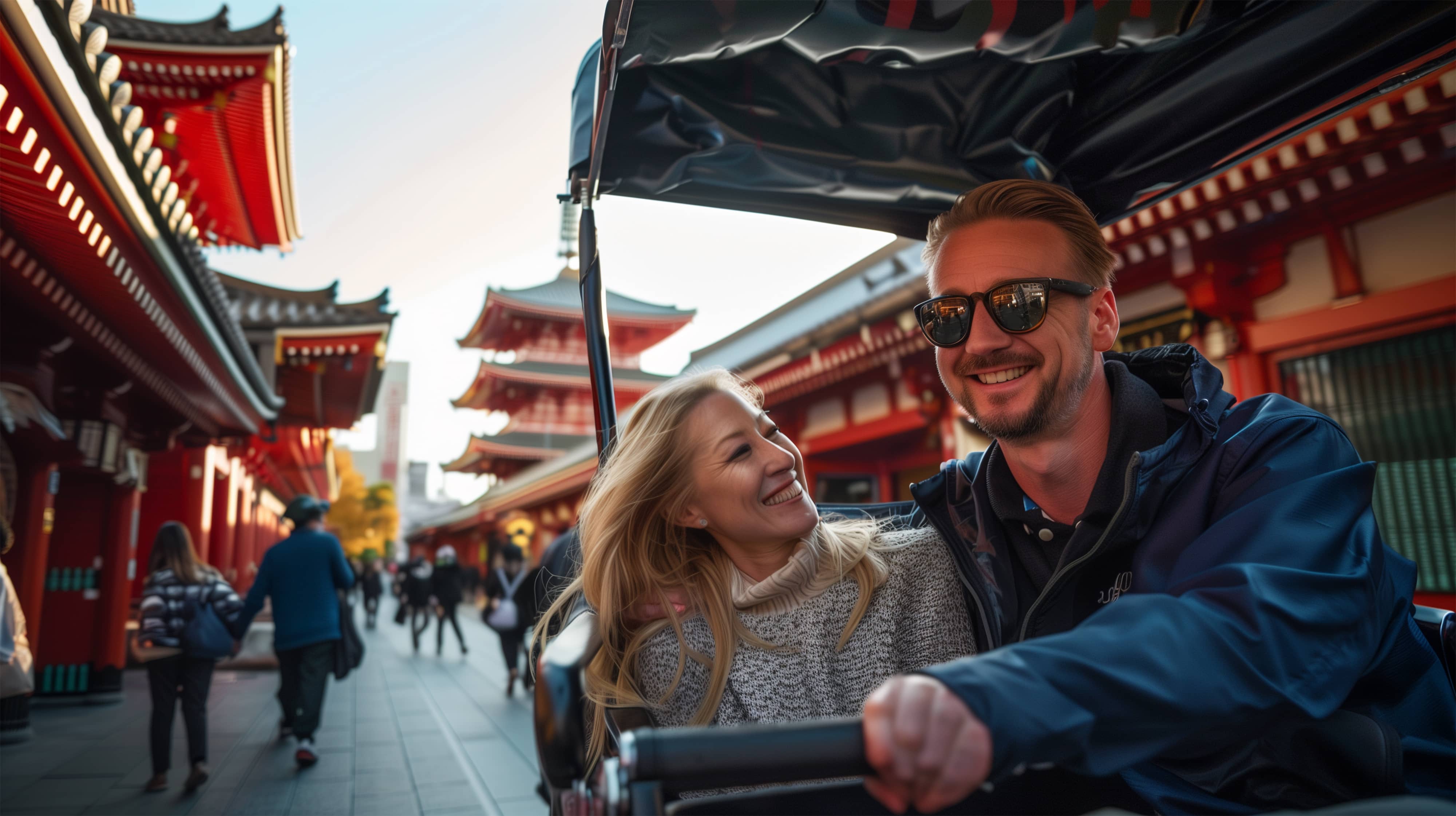
Bem-vindo ao Japão! Após um longo voo, você finalmente chegou à terra dos seus sonhos. Está pronto para explorar as ruas movimentadas de Tóquio ou os templos tranquilos de Quioto?
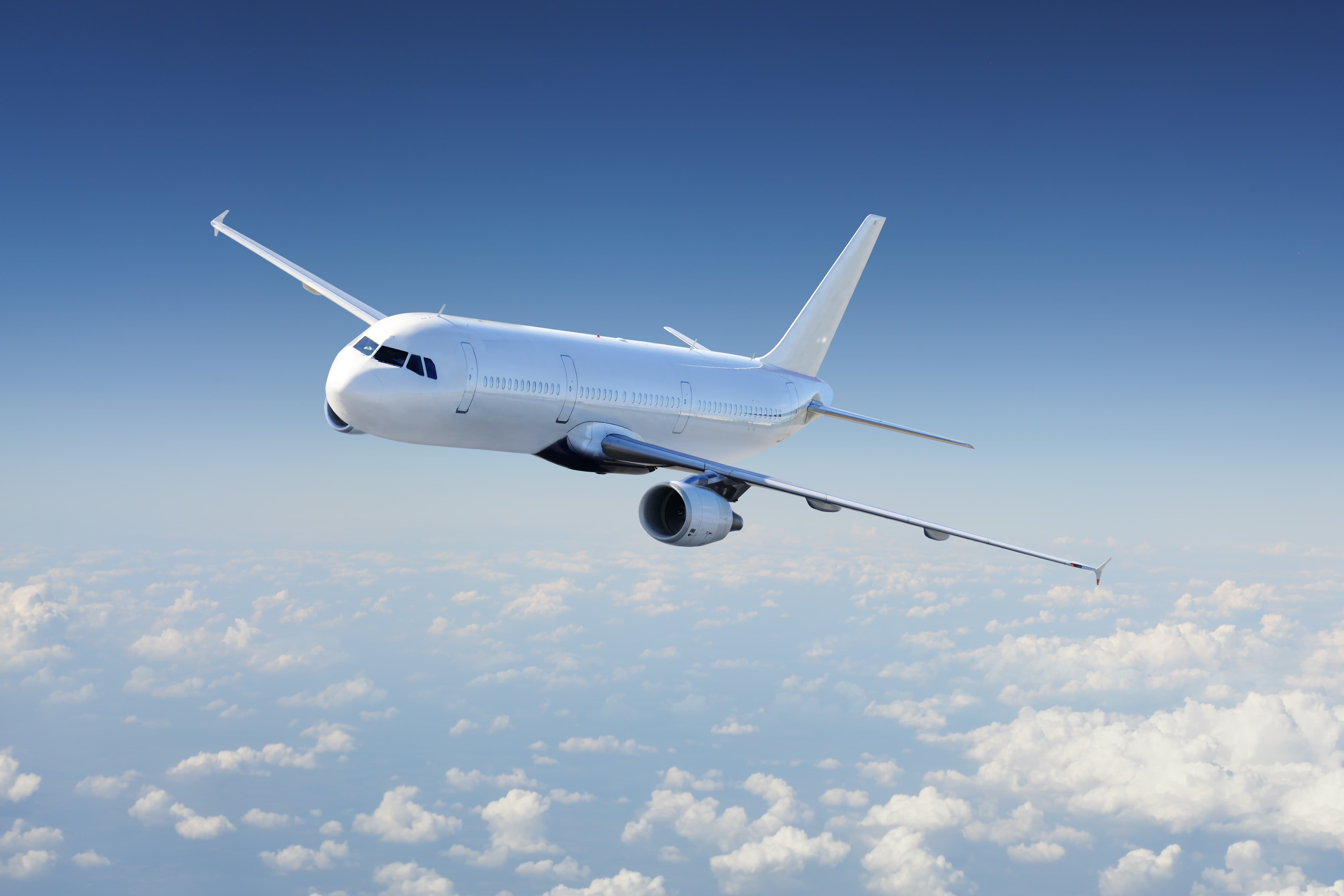
No entanto, existe um perigo oculto que pode arruinar suas férias divertidas: a "Síndrome da Classe Econômica". Especialmente para viajantes vindos de lugares distantes como os EUA ou a Europa, o risco aumenta significativamente após um voo de mais de 10 horas.
Este artigo explica os fundamentos dessa condição, como preveni-la e apresenta uma solução segura e fácil caso você se sinta mal durante sua estadia no Japão.
O que é a "Síndrome da Classe Econômica"?
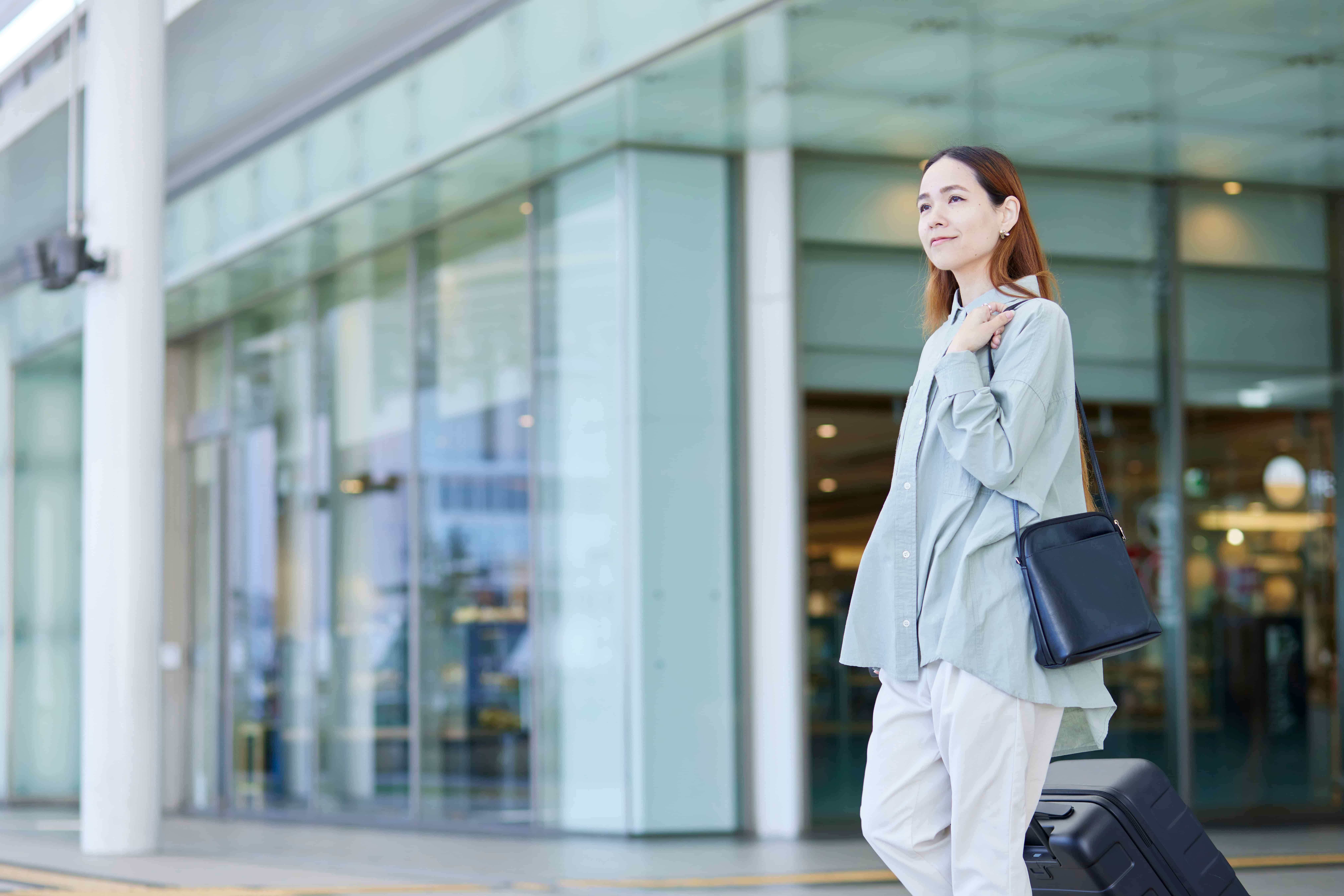
Embora amplamente conhecida como "Síndrome da Classe Econômica", clinicamente é chamada de Trombose Venosa Profunda (TVP).
Quando você fica sentado em um espaço apertado como um assento de avião por muito tempo sem mover as pernas, coágulos sanguíneos podem se formar nas veias profundas das pernas. O perigo surge quando esses coágulos se soltam (geralmente quando você se levanta e começa a andar) e viajam para os pulmões, bloqueando o fluxo sanguíneo.
Nota: Apesar do nome, isso pode acontecer na Classe Executiva, Primeira Classe e até mesmo em longas viagens de Shinkansen (trem-bala) ou ônibus.
Sintomas e Sinais de Alerta
É importante identificar os sinais precocemente. Não descarte como "apenas fadiga". Os sintomas podem aparecer não apenas no avião, mas também depois de fazer o check-in no hotel ou durante um passeio no dia seguinte.
Sintomas nas Pernas (Formação de Coágulos)
- Inchaço em apenas uma perna.
- Dor ou dormência na perna.
- Pele avermelhada ou arroxeada.
- Sensação de calor ao tocar a perna.
Sinais de Perigo (Embolia Pulmonar)
Se o coágulo viajar para o pulmão, pode ser fatal. Procure ajuda médica imediatamente se você sentir:
- Falta de ar súbita ou dificuldade para respirar.
- Dor no peito.
- Palpitações (coração batendo rápido).
- Suores frios ou tontura.
Prevenção: Mantenha o Fluxo Sanguíneo

Para evitar que sua viagem seja interrompida, comece estes hábitos simples hoje:
1. Hidrate-se com Sabedoria
O ar da cabine é seco, levando à desidratação que engrossa o sangue. Beba água ou chá de cevada frequentemente. Evite álcool ou cafeína em excesso, pois podem desidratar você.
2. "Ginástica das Pernas" no Seu Assento
Mover as pernas é sua melhor defesa.
- Contraia e abra os dedos dos pés.
- Levante e abaixe os calcanhares (bombas de panturrilha).
- Levante-se e caminhe pela cabine ocasionalmente.
3. Roupas e Equipamentos
Use roupas folgadas e confortáveis que não restrinjam seu corpo. Meias de compressão também são muito eficazes para indivíduos de alto risco.
Se Você se Sentir Mal: O Desafio do Acesso Médico

Mesmo com precauções, a doença pode acontecer. Se você notar inchaço na perna ou sentir um pouco de falta de ar, poderá enfrentar barreiras significativas no Japão:
- Barreira Idiomática: Nem todas as clínicas têm médicos que falam inglês.
- Encontrar um Médico: Pesquisar por "clínicas perto de mim" muitas vezes não informa se elas aceitam turistas ou falam inglês.
- Tempos de Espera: Hospitais populares podem estar lotados, desperdiçando seu precioso tempo de férias.
A Solução Segura: HOTEL de DOCTOR 24
Se você está preocupado, "Isso é Síndrome da Classe Econômica?", você não precisa vagar pelas ruas procurando um hospital. HOTEL de DOCTOR 24 é um serviço médico online projetado para turistas internacionais.
- Conveniência: Consulte um médico via smartphone no seu quarto de hotel.
- Suporte Total: Se o médico determinar que você precisa de tratamento físico, ele o encaminhará para uma unidade médica apropriada.
- Documentação: Eles também podem emitir atestados médicos para alterações de voo ou pedidos de seguro.
Ele transforma seu quarto de hotel em uma sala de consulta, proporcionando tranquilidade quando você mais precisa.
Preocupado com dor nas pernas ou fadiga? Consulte um profissional agora.
Visite HOTEL de DOCTOR 24 em https://www.hoteldedoctor24.com.
Mantenha-se ativo, hidrate-se e aproveite sua viagem segura no Japão!
Para Mais Informações e Orientações Oficiais
- U.S. Centers for Disease Control and Prevention (CDC): "Coágulos Sanguíneos e Viagens" Visitar Página do CDC
- Japan National Tourism Organization (JNTO): "Guia para quando você se sentir doente" Visitar Guia do JNTO
Aviso Legal: Este artigo fornece informações gerais. Se você sentir dor torácica intensa, desmaio ou falta de ar grave, ligue para 119 para uma ambulância imediatamente.