Длительный перелет в Японию? Остерегайтесь «синдрома эконом-класса» (ТГВ)

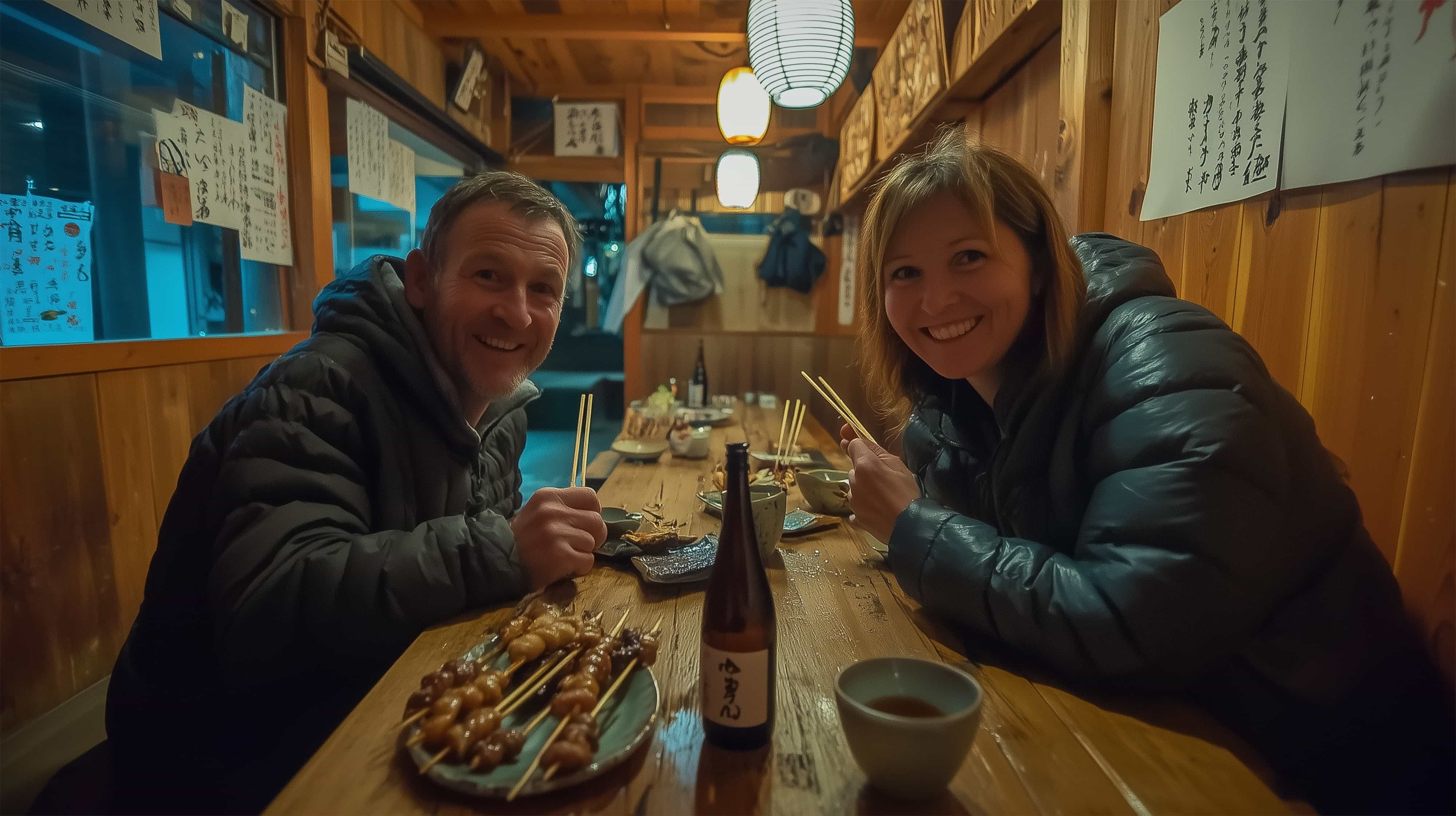
Добро пожаловать в Японию! После долгого перелета вы наконец прибыли в страну своей мечты. Готовы ли вы исследовать шумные улицы Токио или тихие храмы Киото?
Однако существует скрытая опасность, которая может испортить ваш веселый отпуск: «синдром эконом-класса». Особенно для путешественников, прибывающих издалека, например, из США или Европы, риск значительно возрастает после перелета продолжительностью более 10 часов.
В этой статье объясняются основы этого состояния, как его предотвратить, и предлагается безопасное и простое решение, если вы почувствуете себя плохо во время пребывания в Японии.
Что такое «синдром эконом-класса»?

Хотя широко известен как «синдром эконом-класса», медицински он называется тромбоз глубоких вен (ТГВ).
Когда вы долго сидите в тесном пространстве, например, в кресле самолета, не двигая ногами, в глубоких венах ног могут образовываться тромбы. Опасность возникает, когда эти тромбы отрываются (часто, когда вы встаете и начинаете ходить) и попадают в легкие, блокируя кровоток.
Примечание: Несмотря на название, это может произойти в бизнес-классе, первом классе и даже во время длительных поездок на синкансене (скоростном поезде) или автобусе.
Симптомы и предупреждающие знаки
Важно вовремя заметить признаки. Не списывайте их на «просто усталость». Симптомы могут появиться не только в самолете, но и после того, как вы заселитесь в отель или на следующий день во время осмотра достопримечательностей.
Симптомы со стороны ног (образование тромба)
- Отек только одной ноги.
- Боль или онемение в ноге.
- Кожа становится красноватой или пурпурной.
- Тепло при прикосновении к ноге.
Опасные признаки (тромбоэмболия легочной артерии)
Если тромб попадает в легкое, это может быть опасно для жизни. Немедленно обратитесь за медицинской помощью, если вы испытываете:
- Внезапная одышка или затрудненное дыхание.
- Боль в груди.
- Учащенное сердцебиение (сердце бьется быстро).
- Холодный пот или головокружение.
Профилактика: поддерживайте кровоток

Чтобы предотвратить прерывание вашей поездки, начните применять эти простые привычки уже сегодня:
1. Пейте с умом
Воздух в салоне сухой, что приводит к обезвоживанию и сгущению крови. Пейте воду или ячменный чай часто. Избегайте чрезмерного употребления алкоголя или кофеина, так как они могут вызвать обезвоживание.
2. «Гимнастика для ног» на месте
Движение ногами — ваша лучшая защита.
- Сжимайте и разжимайте пальцы ног.
- Поднимайте и опускайте пятки (круговые движения стопами).
- Вставайте и время от времени прогуливайтесь по салону.
3. Одежда и снаряжение
Носите свободную, удобную одежду, которая не стесняет движений. Компрессионные чулки также очень эффективны для людей из группы высокого риска.
Если вы почувствовали себя плохо: проблема доступа к медицинской помощи

Даже при соблюдении мер предосторожности болезнь может случиться. Если вы заметили отек ноги или чувствуете легкую одышку, в Японии вы можете столкнуться со значительными трудностями:
- Языковой барьер: Не во всех клиниках есть англоговорящие врачи.
- Поиск врача: Поиск «клиник рядом со мной» часто не дает информации о том, принимают ли они туристов или говорят ли по-английски.
- Время ожидания: Популярные больницы могут быть переполнены, что отнимает драгоценное время от вашего отпуска.
Безопасное решение: HOTEL de DOCTOR 24

Если вы беспокоитесь: «Это синдром эконом-класса?», вам не нужно бродить по улицам в поисках больницы. HOTEL de DOCTOR 24 — это онлайн-медицинская служба, разработанная для иностранных туристов.
- Удобство: Проконсультируйтесь с врачом через смартфон из номера отеля.
- Полная поддержка: Если врач определит, что вам требуется физическое лечение, он направит вас в соответствующее медицинское учреждение.
- Документация: Они также могут выдать медицинские справки для смены рейса или страховых случаев.
Это превращает ваш гостиничный номер в кабинет врача, обеспечивая душевное спокойствие, когда оно вам больше всего нужно.
Беспокоит боль в ногах или усталость? Проконсультируйтесь со специалистом прямо сейчас.
Посетите HOTEL de DOCTOR 24 по адресу https://www.hoteldedoctor24.com.
Оставайтесь активными, пейте достаточно жидкости и наслаждайтесь безопасной поездкой в Японию!
Дополнительная информация и официальные рекомендации
- Центры по контролю и профилактике заболеваний США (CDC): «Тромбозы и путешествия» Посетить страницу CDC
- Японская национальная туристическая организация (JNTO): «Руководство на случай плохого самочувствия» Посетить руководство JNTO
Отказ от ответственности: Эта статья содержит общую информацию. Если вы испытываете сильную боль в груди, обморок или сильную одышку, немедленно позвоните по номеру 119 для вызова скорой помощи.